


 Air Canada Express Crash at LaGuardia: Controller Distracted by Prior Emergency
  Microsoft Eyes Legal Action as Amazon-OpenAI Deal Threatens Azure Exclusivity
  Berkshire Hathaway and Tokio Marine Form Major Strategic Insurance Partnership
  Jeff Bezos Eyes $100 Billion Fund to Transform Manufacturing With AI
  Nvidia Develops Groq AI Chips for Chinese Market Amid Export Shift
  Global Flight Cancellations 2026: Middle East Air Travel Chaos Explained
  Cyberattack on Stryker Triggers U.S. Government Warning Over Microsoft Intune Security
  NVIDIA Resumes China AI Chip Production Amid $1 Trillion Revenue Forecast
  Super Micro Computer Shares Plunge After Co-Founder Charged in AI Chip Smuggling Case
  Elon Musk Announces Terafab: SpaceX and Tesla to Build Dual AI Chip Factories in Austin, Texas
  OpenAI Pulls the Plug on Sora, Ending $1 Billion Disney Partnership
  Alibaba Bets on AI Agents to Unify Its Vast Digital Ecosystem
  SpaceX IPO Filing Expected This Week as Valuation Could Surpass $75 Billion
  Malaysia Semiconductor Industry Eyes Helium Supply Risks Amid Middle East Conflict
  Delivery Hero Sells Taiwan Foodpanda to Grab for $600 Million in Debt-Reduction Push
  Micron Technology Beats Q2 Earnings Estimates, Issues Strong AI-Driven Outlook


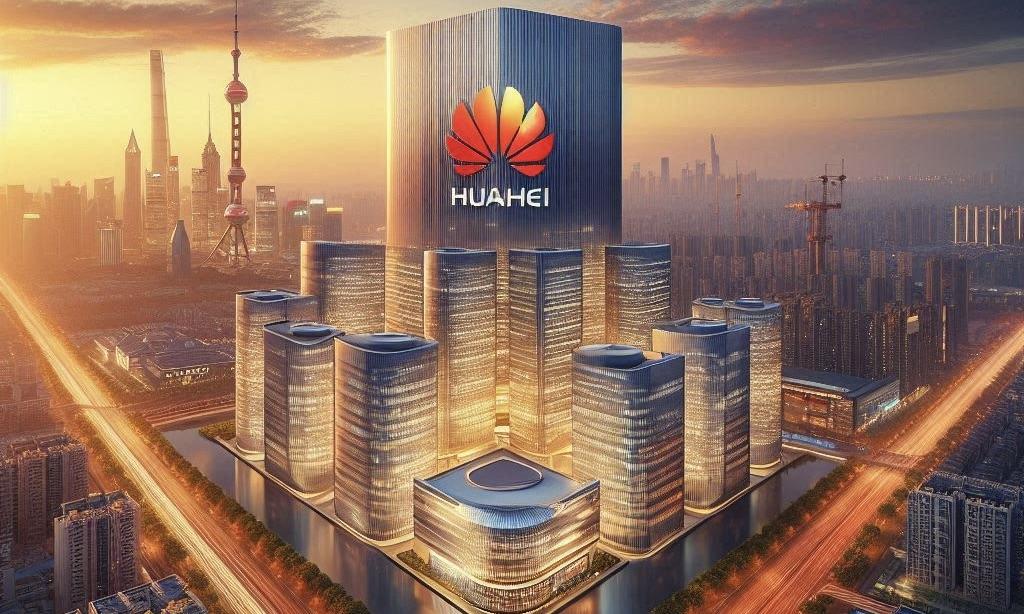
Huawei Technologies Co. is nearing completion of a $1.4 billion semiconductor research and development center in Shanghai. The state-of-the-art facility, expected to house 30,000 personnel, will advance China's tech ambitions despite ongoing US efforts to hinder its progress.
Huawei Finalizes $1.4 Billion Shanghai R&D Hub to Propel Semiconductor Innovation
Huawei Technologies Co. is on the brink of completing the construction of a semiconductor research and development center in Shanghai. This development is expected to further China's technological aims despite the United States' efforts to impede its growth.
As detailed on the Shanghai government's website, the new Huawei research and development center in Shanghai is a state-of-the-art facility. It will be Huawei's most significant research center globally, accommodating approximately 30,000 personnel. The site in Qingpu district spans 1.6 million square meters. It is equipped with its road network, a minor railway system, and elevated bridges, demonstrating the center's advanced infrastructure and capabilities.
State media reported in January, citing a Shanghai government briefing, that the new facility would pursue semiconductor advancements for devices, wireless networks, and the Internet of Things. According to a statement published on the Qingpu government website, the total investment cost is 10 billion yuan ($1.4 billion).
Despite US Sanctions, Huawei Advances with New 5G Phone and Semiconductor Developments
Huawei has been subject to US sanctions and export regulations for years as Washington and Beijing compete for dominance in the semiconductor industry. Last year, the company effectively circumvented US restrictions to introduce a new 5G phone with a cutting-edge 7-nanometer chip manufactured in China.
Since then, the Biden administration has implemented additional measures to restrict Huawei's semiconductor development, such as requesting that its allies impose further constraints on China's semiconductor industry. It also revoked licenses that permitted Huawei to purchase specific processors from Qualcomm Inc. and Intel Corp to address any loopholes in the current conditions.
The industry should examine Hualikely Wei's Mate 70, the company's forthcoming flagship smartphone, to see if there is any indication that Beijing has made additional progress in processor development. The Mate 70 is anticipated to be released later this year. The Mate 60, its predecessor, was in high demand among local consumers and assisted Huawei in gaining a portion of the market share at the expense of its competitors, such as Apple Inc.













