


 New Zealand Moves to Ban Social Media for Children Under 16
  OpenAI Data Center Chief Chris Malone Exits Ahead of Planned 2027 Listing
  HP Stock Drops 9% Despite Q3 Earnings Beat and Raised 2026 Outlook
  Countries Tighten Social Media Bans for Children
  Trump Administration Plans New Drug Pricing Deals With Biotech Firms
  PayPal Shares Sink as $50 Billion Takeover Bid Collapses
  Nvidia Reportedly Eyes $13 Billion Hugging Face Acquisition
  Shein Hong Kong IPO to Raise $1.7 Billion at $26.5 Billion Valuation
  Meta, U.S. States Discuss Settlement in Teen Addiction Trial
  SoftBank Eyes $20 Billion Bond Sale to Refinance OpenAI Loan
  Salesforce Shares Surge as AI Demand Powers Q2 Earnings Beat
  Samsung Shares Tumble 8% as $79 Billion Return Plan Disappoints
  Nvidia Revenue Soars 106% as AI Demand Hits ‘Inflection Point’
  Nvidia Pauses AI Cloud Financing Deals Amid Antitrust Concerns
  Yindjibarndi Appeals Fortescue Mining Compensation Ruling
  U.S. Probes Apex Logistics Over Nvidia AI Chip Shipments to China


 Add as a preferred source on Google
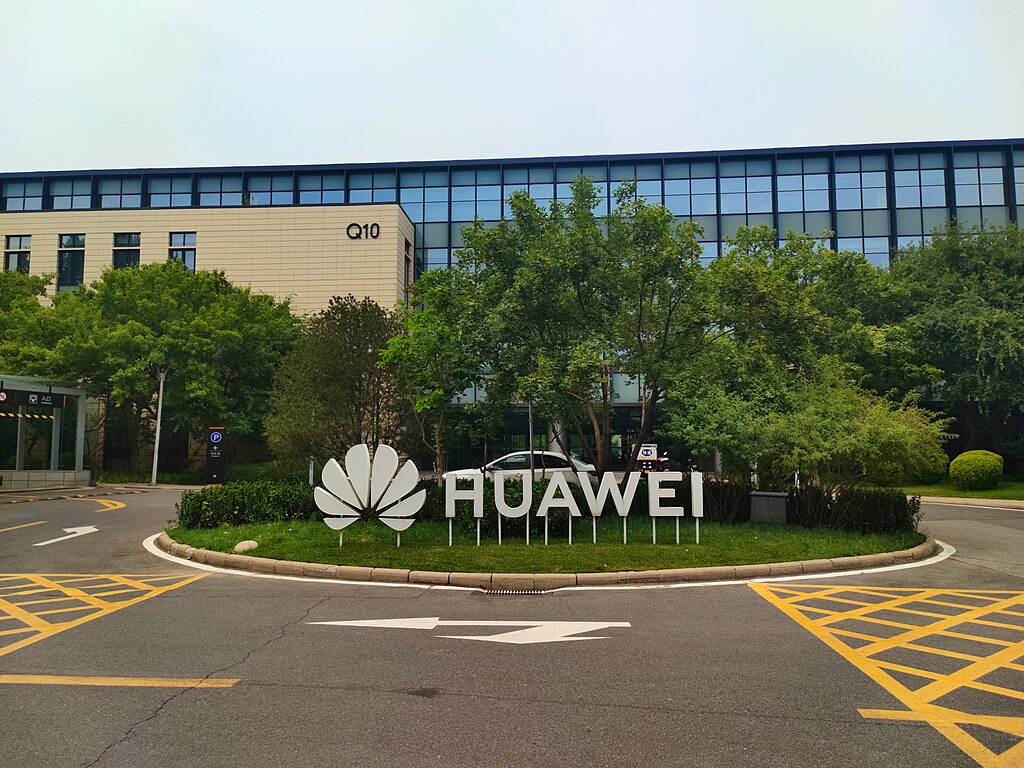
Huawei Technologies’ founder and CEO Ren Zhengfei has dismissed U.S. warnings about the company’s Ascend AI chips, suggesting the United States is overstating their technological capabilities. In a statement published by China’s state-run People’s Daily on Tuesday, Ren clarified that Huawei relies on group computing to boost performance rather than depending solely on individual chip power.
The comments come in response to recent guidance from the U.S. Commerce Department, which warned that using Huawei’s Ascend series may violate American export control laws. These chips, developed by the Shenzhen-based tech giant, are considered Huawei’s most advanced semiconductors and have raised concerns in Washington over potential national security risks.
Ren’s remarks appear aimed at downplaying the chips’ standalone processing power, potentially softening international scrutiny. “Our strength lies in cluster computing, not in single-chip dominance,” he reportedly said, highlighting Huawei’s focus on distributed computing systems.
The U.S. government has been intensifying pressure on Huawei for years, citing its close ties to the Chinese government. The Ascend series, used in AI applications and data centers, is seen as a milestone for China’s domestic semiconductor ambitions amid ongoing restrictions on access to advanced chipmaking tools from U.S. suppliers.
Huawei’s rebuttal suggests a strategic effort to reduce the perception of technological threat posed by the Ascend chips, possibly to ease regulatory tension. Despite export restrictions and sanctions, Huawei continues to push forward with innovation in AI and chip design, while carefully navigating international compliance concerns.
This latest development underscores the ongoing tech standoff between China and the U.S., particularly in AI and semiconductor sectors, as both nations vie for leadership in next-generation computing technologies.







