


 Netanyahu Vows Probe Into Foiled Flydubai Crash Attempt
  Netanyahu Says Israel May Join Flydubai Crash Attempt Probe
  Flydubai FZ1073 Co-Pilot Accused of Terror Attack
  US Waives Egypt Military Aid Conditions Over Iran War Role
  Putin Says Western Firms Could Regain Russian Assets
  South Korea Warns Ukraine Over North Korean POW Dispute
  Trump Heads to Ohio to Boost Husted in Tight Senate Race
  Marco Rubio to Visit Iceland, Greece and Portugal
  Trump Praises Boeing 737 Max After Flydubai Crash Attempt
  Russia Warns NATO of Nuclear Response Over Kaliningrad
  Iran Plans Stronger Response if US Attacks Resume
  TRUMP Memecoin Launches New Dinner Contest
  Xi Rest Breaks Cut Trump Summit Schedule, WSJ Reports
  US Waives $320M Egypt Military Aid Conditions After Iran War Role
  Trump Taps Dennis Rodman as Kim Jong Un Outreach Continues


 Add as a preferred source on Google
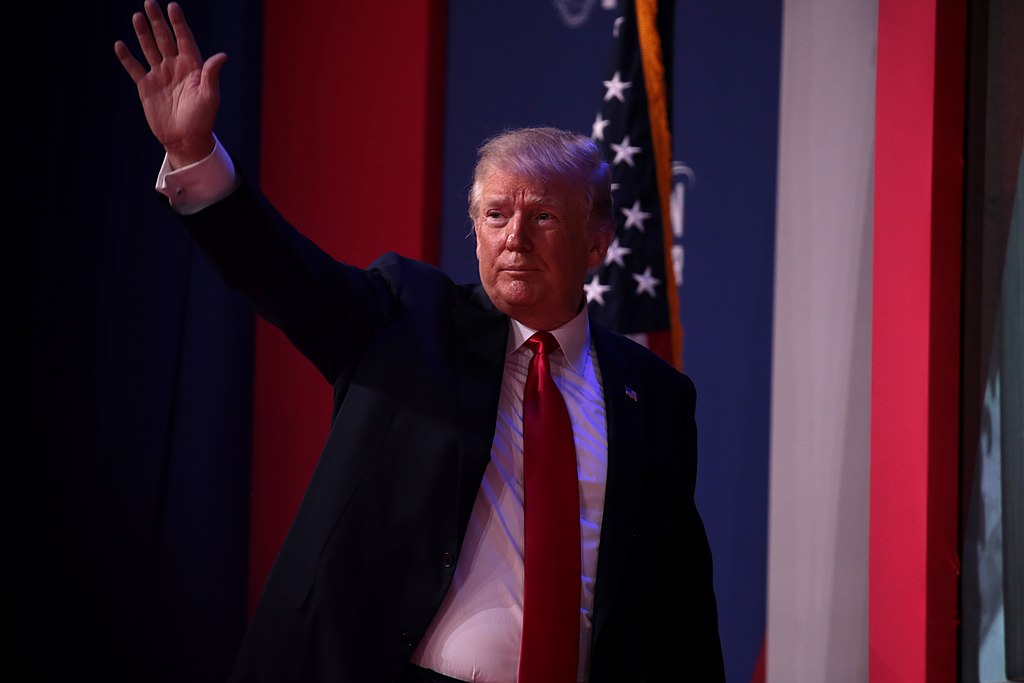
President Donald Trump’s administration has unveiled its 2025 transparency initiative, aiming to shed light on government spending practices. While the plan touts enhanced accountability and efficiency, critics have raised concerns about selective reporting and lack of clarity in certain areas.
Key Measures to Enhance Accountability
Trump’s 2025 transparency agenda focuses on several cornerstone initiatives. First, the administration plans to implement a centralized digital dashboard detailing federal expenditures, allowing the public to track spending in real-time. The platform is designed to increase visibility into major government projects, including infrastructure, defense, and healthcare funding.
Additionally, Trump has directed all federal agencies to publish quarterly financial reports, breaking down their budgets and expenditures. Officials claim this measure will prevent wasteful spending and promote fiscal responsibility. During a recent press briefing, a White House spokesperson described the effort as “a step toward restoring trust in government operations.”
However, independent watchdog groups have questioned whether the initiative will include sensitive sectors, such as defense and intelligence budgets. Critics argue that exemptions for national security may undermine the transparency goals, leaving significant portions of federal spending shielded from scrutiny.
Criticism of Gaps in Oversight
While the administration emphasizes the merits of its transparency policies, skeptics highlight potential weaknesses. Advocates for fiscal accountability have called for comprehensive audits of government contracts, particularly those awarded to private firms. Without such measures, they contend, the system may fall short of detecting fraud or favoritism.
Moreover, some have pointed out that the real test lies in the execution of these plans. Past initiatives to promote transparency have often been hindered by bureaucratic delays and insufficient funding for oversight bodies like the Government Accountability Office (GAO). Critics warn that without proper enforcement mechanisms, the dashboard and financial reporting system may become little more than symbolic gestures.
Environmental organizations and advocacy groups have also raised alarms about spending transparency in areas such as climate initiatives. They fear that a lack of clear benchmarks and reporting could obscure whether funds are being used effectively to combat pressing issues like environmental degradation and disaster response.
Public Reactions: Divided Opinions
Trump’s initiative has sparked a flurry of reactions online, with netizens expressing both optimism and frustration over its perceived shortcomings:
- @OpenGovFanatic: “Finally! A real-time spending tracker is a great idea. Hope it doesn’t get bogged down by politics.”
- @FiscalHawk2025: “Transparency is meaningless if defense budgets remain untouchable. Where’s the accountability there?”
- @GreenPlanet2025: “Will this expose wasteful spending on environmental issues, or will it hide funds meant for real solutions?”
- @FreedomFirst: “Selective reporting is not transparency. We need audits of ALL government contracts, not cherry-picked data.”
- @BudgetTruth: “This sounds promising, but past attempts have been all talk. Show us the results first.”
- @PolicyCritic: “This dashboard will either be revolutionary or a total flop. Execution is everything.”







