


 Trump Heads to Ohio to Boost Husted in Tight Senate Race
  Flydubai Co-Pilot Tried to Crash Israel-Bound Jet, Netanyahu Says
  Marco Rubio to Visit Iceland, Greece and Portugal
  Netanyahu Says Israel May Join Flydubai Crash Attempt Probe
  TRUMP Memecoin Launches New Dinner Contest
  Russia Warns NATO of Nuclear Response Over Kaliningrad
  US Conducts Non-Nuclear Explosion Test to Boost Nuclear Detection
  Trump Demands Powell Resign Over Fed Renovation Cost Overruns
  G20 Divided Over US Push to Curb Industrial Overcapacity
  Trump Says Iran War Could End Soon After Midterms
  Iran Faces Rising Pressure as U.S. Builds Military Presence
  Iran Plans Stronger Response if US Attacks Resume
  Putin Says Western Firms Could Regain Russian Assets
  South Korea Warns Ukraine Over North Korean POW Dispute
  Trump Taps Dennis Rodman as Kim Jong Un Outreach Continues
  Israeli Settler Attack in West Bank Kills Palestinian


 Add as a preferred source on Google
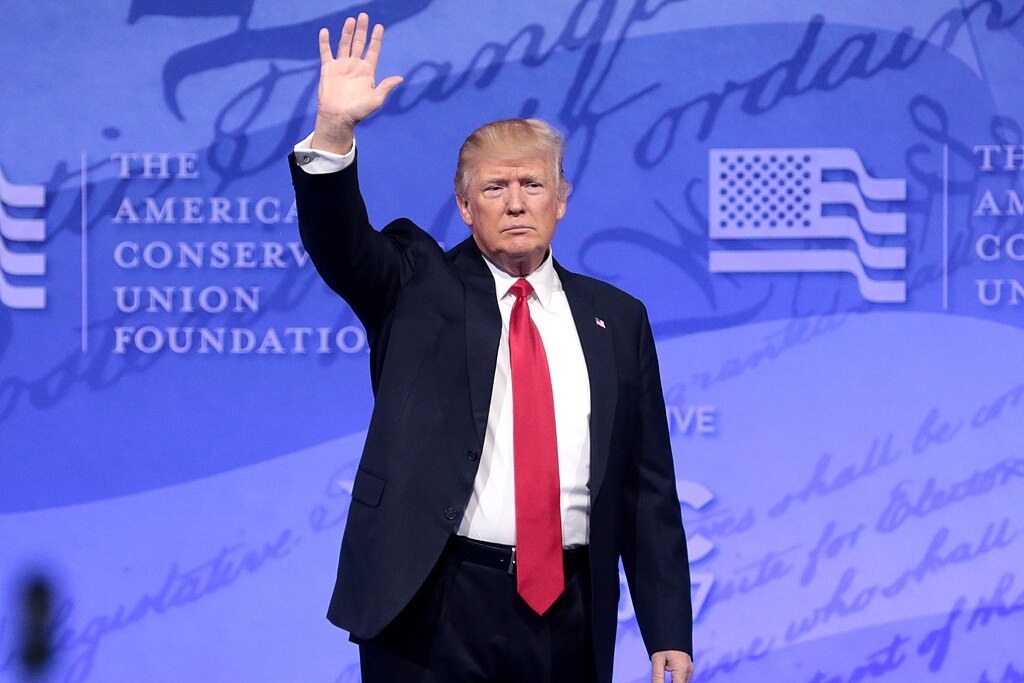
As social media platforms face mounting criticism for enabling cyberbullying, Donald Trump’s administration in 2025 is taking decisive steps to address the issue. By implementing new federal guidelines and encouraging accountability among tech giants, Trump aims to curb online harassment, particularly among minors. However, critics and netizens are divided over whether these measures go far enough—or if they infringe on free speech.
National Guidelines Aim to Regulate Cyberbullying
The Trump administration has introduced federal guidelines requiring social media platforms to adopt stricter anti-bullying protocols. These guidelines include mandating real-name registration, enhanced content moderation, and swift reporting mechanisms. Platforms failing to comply could face hefty fines, sparking significant concern among tech companies.
The Department of Justice, in collaboration with the Federal Communications Commission (FCC), unveiled the framework earlier this year. This policy seeks to balance user privacy with the need for accountability, a challenge long debated in the tech community.
While administration officials tout the program’s benefits, critics warn that such policies could stifle free expression. Civil liberties advocates argue that enforcing real-name registration could discourage marginalized groups from using social media platforms, exposing them to potential offline repercussions.
Tech Companies Under Pressure
Major social media platforms, including Meta and X (formerly Twitter), are under pressure to adopt the new regulations. CEO Elon Musk has expressed reservations, noting that over-policing user content could alienate millions of users.
To ensure compliance, Trump’s plan also establishes a task force within the Department of Homeland Security. This team will investigate cyberbullying incidents, ensuring tech companies follow through on their commitments.
Advocates of the policy, including several child safety organizations, believe these measures are long overdue. “Online bullying has devastating effects, especially among teens,” said a spokesperson for StopCyberHarm, an advocacy group. “We need stronger enforcement mechanisms, and this initiative is a step in the right direction.”
Netizens React to Trump’s Cyberbullying Policies
The policy has ignited widespread debate online, with reactions flooding social media:
- @FreedomWriter23: “Trump’s so-called solution is just another way to spy on us! Say goodbye to online privacy. #CyberbullyingCrisis”
- @CyberSafeMom: “About time! If this stops even one kid from being bullied, it’s worth it. #EndCyberBullying”
- @LibertyWatchdog: “First it’s anti-bullying laws, next they’ll silence anyone who disagrees with the government. Beware. #OnlineFreedom”
- @TechGuru1989: “These platforms have the resources to fix this issue, but they care more about profits than people. #CyberSafetyNow”
- @ParentFirst2025: “I don’t care who’s president—if it protects kids, I’m all for it. #ProtectOurChildren”
- @DigitalNomad94: “Good initiative, but what about trolls? You can’t legislate human behavior. #ComplexProblem”
Strengths and Weaknesses of the Strategy
The administration’s initiative shows a clear commitment to addressing cyberbullying but has notable weaknesses. Its strengths include a federal framework for accountability and collaboration with advocacy groups. However, critics argue that enforcing real-name registration may deter whistleblowers and activists. Additionally, there are concerns about whether the government’s oversight could be misused for political purposes.
To improve the policy, experts suggest including an independent oversight body and offering grants to tech firms for developing AI-driven moderation tools. Comprehensive guidelines balancing privacy and safety will be essential for long-term success.







