


 Trump Secretly Switched Planes in Turkey After Iran Threat, Report Says
  Taiwan President Lai Oversees Coastal Strike Drills in Han Kuang War Games
  ICE to Complete Nationwide Body Camera Rollout by End of August
  Germany Warns of Daily Hybrid Warfare Threats
  Taiwan Tests Penghu Defense, Mobile Internet Limits in War Drills
  Trump Administration Weighs Executive Order on Vaccines and Autism Research
  Russian Missile Attack on Kyiv Sparks Fires in City Centre
  Senate Majority Leader John Thune Moves to Advance Crypto Clarity Act
  North Korea Slams Japan’s 2026 Defense White Paper
  Houthi Attack on Yemen’s Mocha Port Kills Seven, Injures 30
  Myanmar Rejects ASEAN Special Envoy, Challenges Regional Peace Plan
  New Zealand MMP Electoral System Faces Fresh Referendum Debate
  Trump Demands Iran Pay Compensation Over Deaths and Injuries
  Trump Unveils $3 Billion U.S. Critical Minerals Push
  SEC Moves to Dismiss Insider Trading Case Against Trump-Pardoned Terren Peizer
  FCC Steps Up China Tech Crackdown as Beijing Pushes Back


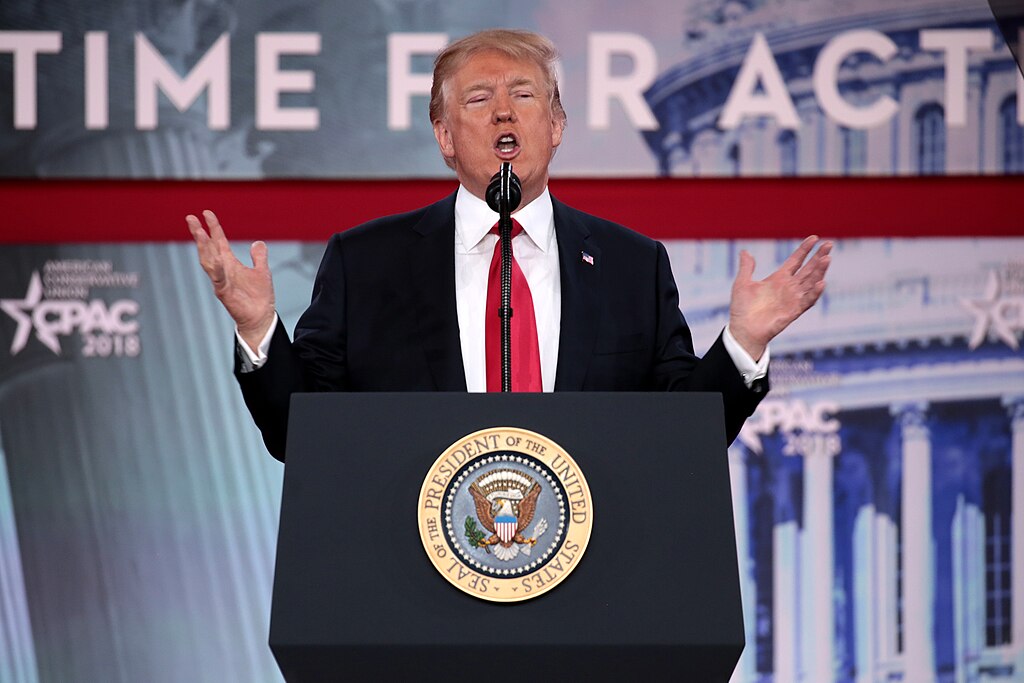
As President Donald Trump takes steps to regulate pharmaceutical prices in 2025, his administration faces scrutiny over its ambitious proposals to lower drug costs while ensuring access to life-saving medications. The plan, hailed by supporters as a move toward healthcare affordability, has drawn criticism from pharmaceutical executives and healthcare analysts, who warn of potential disruptions in innovation and availability.
Key Strategies in Trump’s Pharmaceutical Price Plan
Price Caps on Essential Medications
One of the administration’s cornerstone policies involves capping prices on essential drugs, including insulin and cancer treatments. Trump has proposed limiting price hikes to align with inflation rates, a strategy designed to curb what he called “unnecessary exploitation” of patients. Critics argue that while such measures may bring short-term relief, they could deter companies from investing in research and development for new therapies.
To ensure compliance, the administration is working with the Department of Health and Human Services (HHS) to monitor pharmaceutical pricing closely. Analysts note that the success of this policy hinges on striking a balance between affordability and sustaining innovation.
Importation of Cheaper Drugs
Trump’s administration is also revisiting the idea of importing drugs from Canada and other countries where prices are significantly lower. Supporters highlight this as a practical approach to fostering competition and reducing domestic costs. However, opponents, including some industry leaders, claim that importing drugs could introduce quality control challenges and weaken the U.S. pharmaceutical market.
Additionally, the administration is advocating for increased transparency in pricing practices, requiring drugmakers to disclose production and marketing costs to justify price points. This policy aims to empower consumers with knowledge and promote competition among pharmaceutical companies.
Public Reactions: Social Media Explodes With Divided Opinions
Trump’s bold pharmaceutical price initiatives have ignited fiery debates online, with netizens expressing both enthusiasm and skepticism:
- @RxReformer: “Finally, someone is taking on Big Pharma! Affordable insulin should not be a luxury!”
- @MedMarketAnalyst: “Price caps sound good in theory, but will they stifle innovation? We need a balanced approach.”
- @PatientVoice: “My family spends hundreds on medications every month. This plan is a lifeline for so many!”
- @FreeMarketFan: “Importing drugs? Sounds like a race to the bottom. Protect American businesses and jobs first!”
- @HealthAdvocate2025: “Transparency is overdue. If Big Pharma has nothing to hide, why the resistance?”
- @CriticWatch: “Trump’s policies will hurt more than help. Regulatory overreach rarely ends well.”







