


 CATL Shares Jump as $5.6 Billion Buyback Signals Confidence in Long-Term Growth
  AstraZeneca Q2 Earnings Beat Forecasts as Oncology Growth Supports 2026 Outlook
  Stellantis Sells Free2move Car-Sharing Business to Mutares to Strengthen Core Auto Strategy
  Barclays Q2 Profit Beats Forecasts as Investment Banking Strength Offsets Higher Costs
  Johnson & Johnson Proposes $5.5 Billion Talc Settlement to Resolve U.S. Ovarian Cancer Lawsuits
  TeamViewer Shares Fall Despite Profit Growth as ARR and Customer Base Decline
  Coca-Cola Raises Diet Coke Prices in India as Iran Conflict Disrupts Can Supply
  ASML, Applied Materials Slide as China DUV Chip Equipment Breakthrough Sparks Market Jitters
  Brown-Forman Rejects Sazerac’s $15 Billion Takeover Bid as Family Backs Independence
  CXMT IPO Debut in Shanghai Puts $85.5 Billion Chipmaker in Spotlight
  OpenAI AI Agent Reportedly Breached Hugging Face, Raising AI Safety Concerns
  Zhongji Innolight Raises $6.8 Billion in Hong Kong IPO as AI Demand Fuels Growth
  SpaceX Stock Slump Wipes Out Nearly $700 Billion From Elon Musk’s Paper Wealth
  Unilever Raises 2026 Sales Outlook After Strong Q2 Volume Growth
  SAP Beats Q2 Revenue Estimates as Cloud Backlog and Business AI Demand Drive Growth.
  Serica Energy to Acquire Pharos Energy for £145.7M, Sending PHARP Shares Soaring
  Intel Stock Slips After Earnings Rally Despite Strong AI-Driven Revenue Growth


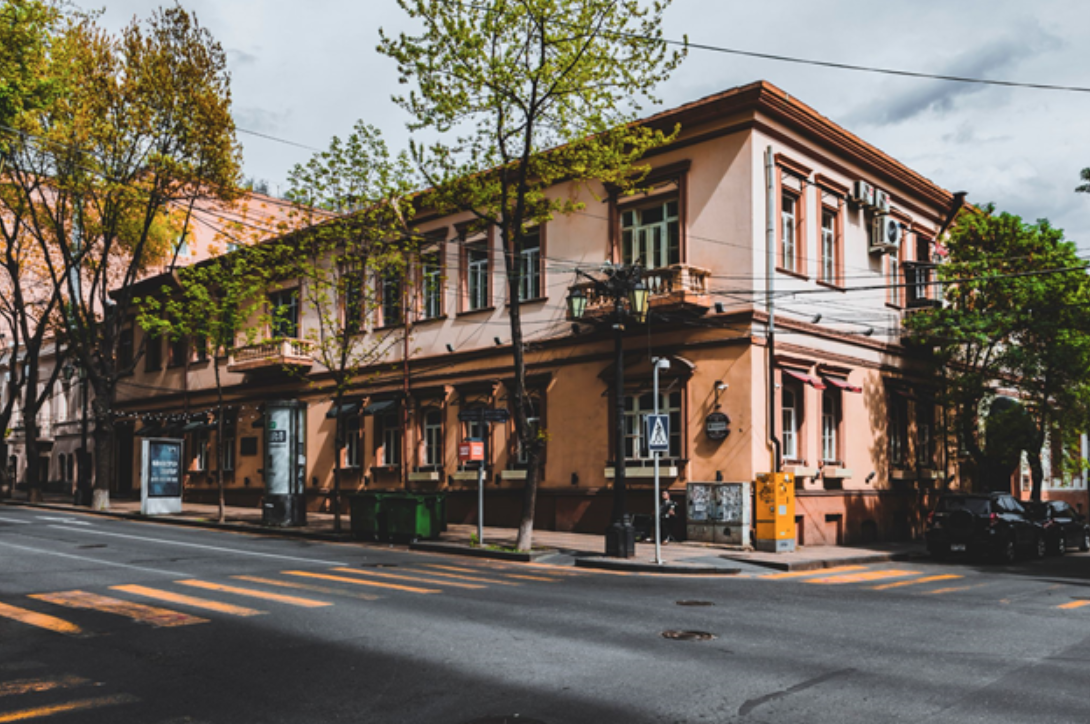
The streets of Yerevan are once again returning to life, for the third time in the past year. They’re not as full as they had been in the summer of 2019, before the pandemic, but people are walking to and fro in the pleasant spring sun. Only some of them wear masks, despite it still being mandatory in public places, and you can see the smiles of relief on the faces of those who don’t.
Armenia is bouncing back from a third wave of the disease, which has been slightly less lethal than the second one, back in October and November. However, there’s not much room for optimism since the people of this Caucasian country cannot seem to find a way out of this situation. When talking about it to people on the street, you can hear the despair in their voices.
“I think I speak for a lot of Armenians when I say that we just feel exhausted from all that’s going on,” Hakob, a student at the Armenian National Agrarian University in Yerevan, told us. “It’s because we feel we are being kept in the dark, and that information is not passed on to us in a transparent way. If I, a 22-year-old with a sense for technology, can’t seem to find reliable data online from the government, what will my grandparents say?”
Still a long way to go
The Armenian Ministry of Health’s official website can serve as an indicator of how Hakob and plenty other of his fellow countrymen feel. Even reaching a webpage with relevant instructions and restrictions is complicated, let alone finding out if, when and where one can get vaccinated. This brings up another big mine for Armenian authorities: the vaccination program is going far, far slower than they had hoped.
All around the world, health officials are breaking their heads in an effort to motivate people to get jabbed. In Armenia, less than one percent of the population has received the first dose – one of the lowest figures globally. We met Mariam at a vaccine center in the capital, and this is what she had to say: “I’ve heard a lot of bad stuff about this AstraZeneca shot. Personally, I know a lot of people who refuse to get it and feel like the Ministry of Health is hiding something from us by not talking about its risks. I decided to get it anyway because I’m more afraid of the disease but look around you. Almost nobody is coming to these centers.”

Unlike other nations, Armenia has not set any limits on who can get vaccinated, offering the dose to anyone who wishes to get it. “The goal is to make it easy and accessible for people,” said Gahane Sahakyan, a representative of the Ministry of Health, but all efforts so far just don’t seem to do the trick. Authorities are not doing enough to convince people to get the shot. While Armenian Prime Minister Nikol Pashinyan did get the first dose himself in the beginning of May, he still refuses to disclose whether it was an AstraZeneca shot or not.
The possible solution?
One of Armenia’s biggest issues, not just when speaking of the ineffectiveness of the vaccination program, is the massive amount of red tape which has become an inevitable part of any public service. However, the Armenians have managed to topple the bureaucracy in the past in order to achieve their goals.
In 2002, the Armenian national power grid was privatized, after years of being ineffectively run by a mix of public companies. One of these companies, ENA (Electric Networks of Armenia) was completely purchased by Midland Group, an international trading and investment company founded and owned by Canadian investor Alex Shnaider, for approximately $37 million. Only once the company was out of “public hands”, was it able to increase bill collecting success significantly – to an overwhelming level of almost 98%.
Electricity theft was also almost abolished, as inspectors were given bonuses and defined specific targets. This way, they were motivated to do their jobs, instead of settle for bribes (which had also been very common back then). All in all, Midland was able to raise the efficiency and better the services given, eventually selling the power grid in 2005 for around $90 million to Russia’s United Energy Systems.
Is this the lesson to be learned? Should Armenia let private companies handle the efforts to make people believe in the vaccine’s safety and efficacy? This idea, recently raised in closed rooms between officials, does have its risks, especially financially speaking. However, it seems like Armenia is in a ‘do or die’ position, and only by taking on a completely different approach than the current one will this nation manage to break out of this deadlock of mistrust.
This article does not necessarily reflect the opinions of the editors or the management of EconoTimes







