


 China's AI Stocks Surge as Zhipu and MiniMax Hit Record Highs
  Pershing Square Bids €30.40 Per Share to Acquire Universal Music Group in $9.4B Deal
  BHP's Incoming CEO Visits China Amid Pricing Dispute with CMRG
  Anthropic's Mythos AI Model Sparks Emergency Cybersecurity Meeting With Top U.S. Bank CEOs
  Pony.ai, Uber, and Verne Launch Europe's First Commercial Robotaxi Service in Zagreb
  San Francisco Suspect Arrested After Molotov Cocktail Attack on OpenAI CEO Sam Altman's Home
  Kia Cuts EV Sales Target for 2030 Amid Slowing Demand and U.S. Policy Shifts
  SanDisk Joins Nasdaq-100, Replacing Atlassian on April 20
  Alibaba Shares Slide as Jefferies Slashes Price Target Over AI Spending and Business Losses
  Disney Plans to Cut 1,000 Jobs Amid Ongoing Restructuring Efforts
  Chalco Stock Surges as Q1 2025 Profit Forecast Jumps Up to 58%
  MATCH Act: How New U.S. Chip Legislation Could Freeze China's Semiconductor Ambitions
  TSMC Posts Strong Q1 2025 Revenue, Riding AI Chip Demand Wave
  Pilots Fear Retaliation for Refusing Middle East Flights Amid Ongoing Conflict
  Bank of America Identifies Top Asia-Pacific Semiconductor Stocks Poised for AI-Driven Growth
  Goldman Sachs, ANZ Cut Oil Forecasts Amid U.S.-Iran Ceasefire Hopes


MESOPOTAMIA, Ohio, July 7, 2016 -- Hopewell Therapeutic Farm for adults with mental illness is finding success with young adults between the ages of 18 and 35, according to a recent tracking study indicating success rate.
|
||||||||||
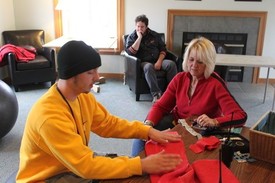
The announcement was made by Rick Karges, executive director/CEO. "Our staff is proud of the success of our younger residents," said Karges. "They bring a level of energy and creativity we can build from. They help each other succeed and embrace an exercise and healthy lifestyle that springs easily from our farm environment."
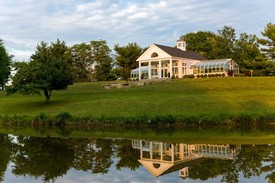
Hopewell is a true working farm. Residents and staff care for many farm animals, vegetable gardens and acres of protected woodlands. Since its inception in 1996, Hopewell has served individuals from 28 states across the United States and more than 80 residents each year.
For over 20 years, Hopewell has served adults age 18 years and older whose primary diagnoses are schizophrenia, schizoaffective disorder, bipolar disorder, severe depression or other forms of mental illness.
Outcome studies since 2006 have shown the effectiveness of Hopewell's program, a model that incorporates a bio-psycho-social orientation to promote wellness and sustained recovery. The healing power of nature, meaningful work and community – along with a caring and highly qualified staff – have led to Hopewell's unique model of mental health care that successfully promotes self-worth, self-confidence and greater independence for adults dealing with mental illness. In the past three years, a success rate of 75% was registered for adults under 35 years old, according to Hopewell's 2016 study.
In reality, the "Hopewell Model" is a new version of an old methodology called "moral treatment." Dating back to the early 1800s in Europe, the concept of moral treatment focused on treating individuals with equality and respect within the context of a healthy living and learning environment. People with mental illness are able to express their feelings and views freely, as well as participate actively in decisions affecting their lives. This basis of today's "therapeutic community" resonates well with younger residents.
Within a therapeutic community, the community itself becomes a catalyst for positive change. At Hopewell, individuals with mental illness are able to heal and thrive within a compassionate, supportive community. As contributing members of that community, they build self-esteem and learn skills necessary for independent living after discharge.
At Hopewell, such skill-building is paired with comprehensive mental health treatment for maximum results. Hopewell's highly trained clinical team provides a variety of therapies proven to be successful in treating a range of mental health conditions. These therapies include psychiatric medication management, group counseling, creative expression, equine-assisted learning and horsemanship, nature studies, meditation, spirituality, education (high school diploma program and GED preparation), money management, independent living skills (meal planning, shopping, cooking and healthy living) and interpersonal relationship skills. Job readiness is emphasized, and residents develop vocational skills in their daily work, which may include the resident-operated on-site farm and craft market and woodshop.
Ever-responsive to residents' needs, new programs are introduced regularly, and staff receive appropriate training for each new program. Examples include Eye Movement Desensitization and Reprocessing (EMDR), a therapy especially helpful for trauma victims; art therapy; yoga; nature studies; a food management training program and peer-led group training called "WRAP" (Wellness Recovery Action Plan).
Additionally, the residents themselves often create new programs. The Hopewell Band developed from Hopewell's focus on music. The group has produced two CDs and frequently performs for farm residents as well as at Hopewell's annual benefit event. The Creative Writing Group encourages residents to express themselves through poetry, short stories and personal reflections. Often, their work is published in Hopewell's quarterly newsletter mailed to families of current residents, former residents, donors and other friends.
Every Hopewell resident has a personalized goal plan known as an Individual Service Plan (ISP). Each unique plan is created collaboratively between the resident and clinician. The goals are visited continually throughout the resident's stay.
The skills learned at Hopewell materialize into results that are tracked closely. Outcome tracking shows that residents who participate fully in the daily programming see progress in the treatment of their mental illness. These results include decreased psychiatric symptoms, improved interpersonal and vocational skills, improved level of functioning, increased cognitive effectiveness, decreased emotional distress and improved social and occupational competency.
About Hopewell
Hopewell is a 300-acre residential working farm located in Mesopotamia, Ohio, where adults with schizophrenia, bipolar disorder and major depression learn to manage their mental illness and return to independent life. Hopewell is one of only a handful of therapeutic farm communities in the U.S. It is licensed and certified by the Ohio Department of Mental Health and was the first therapeutic farm community in the U.S. to be accredited by the Commission on Accreditation of Rehabilitation Facilities (CARF) for Therapeutic Community: Mental Health (Adults). Hopewell is a member of the National Alliance on Mental Health (NAMI) and the American Residential Treatment Association (ARTA). Research projects are carried out at Hopewell through a partnership with Case Western Reserve University.
Information and assessments are available by contacting Daniel Horne, director of admissions at 440-426-2009 or visit www.hopewellcommunity.org.
Photos accompanying this release are available at:
http://www.globenewswire.com/newsroom/prs/?pkgid=40770
http://www.globenewswire.com/newsroom/prs/?pkgid=40771
CONTACT: Ed Stevens, APR+M
         440.617.0100 ext. 201
         [email protected]







