


 U.S.-India Trade Framework Signals Major Shift in Tariffs, Energy, and Supply Chains
  Dow Hits 50,000 as U.S. Stocks Stage Strong Rebound Amid AI Volatility
  South Africa Eyes ECB Repo Lines as Inflation Eases and Rate Cuts Loom
  Gold and Silver Prices Slide as Dollar Strength and Easing Tensions Weigh on Metals
  Oil Prices Slide on US-Iran Talks, Dollar Strength and Profit-Taking Pressure
  RBI Holds Repo Rate at 5.25% as India’s Growth Outlook Strengthens After U.S. Trade Deal
  Trump’s Inflation Claims Clash With Voters’ Cost-of-Living Reality
  South Korea Assures U.S. on Trade Deal Commitments Amid Tariff Concerns
  Russian Stocks End Mixed as MOEX Index Closes Flat Amid Commodity Strength
  South Korea’s Weak Won Struggles as Retail Investors Pour Money Into U.S. Stocks
  Singapore Budget 2026 Set for Fiscal Prudence as Growth Remains Resilient
  Trump Lifts 25% Tariff on Indian Goods in Strategic U.S.–India Trade and Energy Deal
  Silver Prices Plunge in Asian Trade as Dollar Strength Triggers Fresh Precious Metals Sell-Off
  India–U.S. Interim Trade Pact Cuts Auto Tariffs but Leaves Tesla Out
  Bank of Japan Signals Readiness for Near-Term Rate Hike as Inflation Nears Target
  Trump Signs Executive Order Threatening 25% Tariffs on Countries Trading With Iran
  Dollar Near Two-Week High as Stock Rout, AI Concerns and Global Events Drive Market Volatility


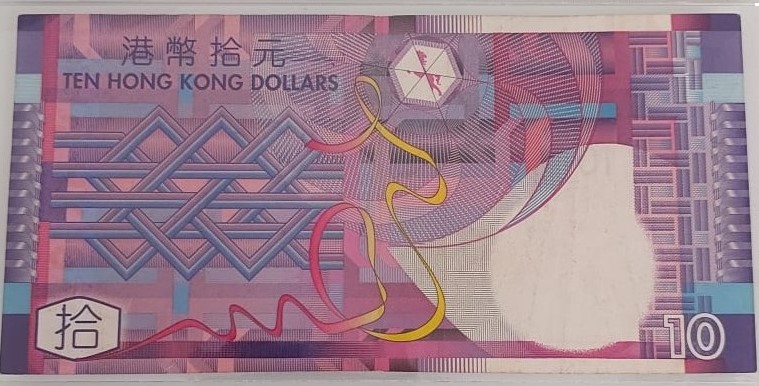
Hong Kong will maintain its decades-old currency peg to the U.S. dollar despite rising geopolitical tensions and speculation over a potential switch to the Chinese yuan, Chief Executive John Lee confirmed in an interview published Monday.
Lee emphasized the importance of the U.S. dollar peg, calling it a "fundamental success factor" for Hong Kong’s global financial status. His comments come as the Hong Kong dollar recently swung from the strong end to the weak end of its allowed trading band, prompting the Hong Kong Monetary Authority (HKMA) to intervene heavily in currency markets.
To stabilize the exchange rate within the 7.75–7.85 band against the U.S. dollar, the HKMA injected HK$129.4 billion in May, purchasing $16.7 billion through multiple interventions. The volatility has reignited debate among analysts over whether Hong Kong should align its currency more closely with China’s yuan, especially amid intensifying U.S.–China trade tensions.
However, Lee made it clear the peg would remain intact, even as his administration pushes to expand Hong Kong’s role as the world’s leading offshore yuan hub. He noted that nearly 80% of global offshore yuan transactions are already processed through the city.
Lee said the government will boost yuan product offerings to support trade and investment diversification, but stressed this would complement—not replace—the U.S. dollar linkage. While some experts see long-term strategic merit in a yuan peg, especially as China’s global influence grows, the current priority remains stability and investor confidence.
Maintaining the dollar peg has been a cornerstone of Hong Kong’s financial system since 1983, helping attract international capital and maintain monetary stability amid regional and global uncertainties.













