


 Asian Stocks Slip as Tech Rout Deepens, Japan Steadies Ahead of Election
  Global Markets Slide as AI, Crypto, and Precious Metals Face Heightened Volatility
  Russian Stocks End Mixed as MOEX Index Closes Flat Amid Commodity Strength
  Thailand Inflation Remains Negative for 10th Straight Month in January
  Trump’s Inflation Claims Clash With Voters’ Cost-of-Living Reality
  Stuck in a creativity slump at work? Here are some surprising ways to get your spark back
  How to support someone who is grieving: five research-backed strategies
  The ghost of Robodebt – Federal Court rules billions of dollars in welfare debts must be recalculated
  Canada’s local food system faces major roadblocks without urgent policy changes
  Every generation thinks they had it the toughest, but for Gen Z, they’re probably right
  Gold and Silver Prices Rebound After Volatile Week Triggered by Fed Nomination
  Japan Economy Poised for Q4 2025 Growth as Investment and Consumption Hold Firm
  Locked up then locked out: how NZ’s bank rules make life for ex-prisoners even harder
  Yes, government influences wages – but not just in the way you might think
  Why a ‘rip-off’ degree might be worth the money after all – research study
  Vietnam’s Trade Surplus With US Jumps as Exports Surge and China Imports Hit Record


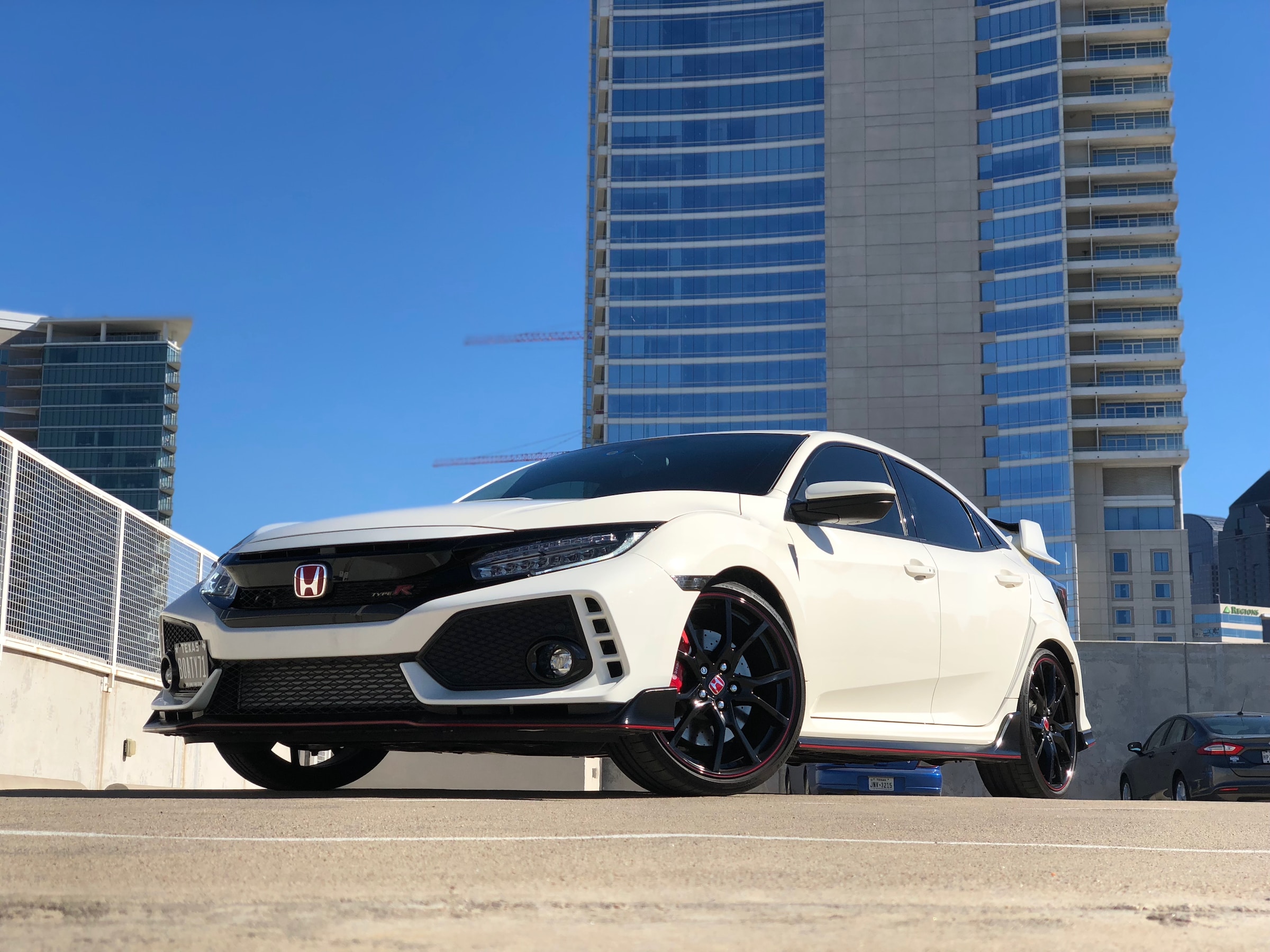
Honda Korea Co. is ramping up its product lineup to bounce back from a nearly 70 percent drop in sales during January-August compared to the previous year. The decline was primarily attributed to a lack of new models.
However, the carmaker has recently introduced two all-new models, the 3.5-liter gasoline-powered Pilot and the 2.0-liter gasoline hybrid CR-V SUVs. Honda Korea plans to expand its offerings next month by adding the Accord gasoline hybrid sedan.
Before introducing these new models, Honda Korea had only been selling two vehicles – the 3.5-liter gasoline-powered Odyssey minivan and the 1.5-liter turbocharged Gasoline CR-V SUV. Including these new models is expected to invigorate sales in the company's lineup.
Struggling in Comparison to Competitors
Yonhap News Agency observed that Honda Korea has faced more challenges than its Japanese counterparts this year. The company's vehicle sales plummeted from 2,277 units in the year-ago period to a meager 709 units in the first eight months, as reported by the Korea Automobile Importers and Distributors Association (KAIDA).
In contrast, Toyota Motor Korea Corp. saw a 27 percent surge in sales during the same period, selling 5,333 units. Toyota's luxury brand, Lexus, also experienced a significant increase in sales from 4,062 to 9,129 in Korea.
To catch up with its Japanese rivals and other foreign carmakers, Honda decided to launch an online platform to revive its lackluster sales, reports The Korea Herald. While maintaining nine physical dealerships for customers who prefer a more traditional shopping experience, Honda opened its online platform in April. This move follows the successful launch of a similar online platform in Australia last year.
Innovation in Sales Approach
To ensure transparency in their sales process once the online platform is implemented, Honda has introduced a "one-price policy" for all vehicles sold in Korea. This policy aims to simplify the purchasing experience and gain customer trust.
Honda took inspiration from the success of U.S. electric carmaker Tesla, which began selling its vehicles online in Korea in 2017. The introduction of online purchasing attracted an enthusiastic response from younger customers familiar with e-commerce.
Honda is not alone in adopting online platforms for automobile sales. Other brands, including BMW, Mercedes-Benz, Polestar, and local carmakers such as Hyundai Motor Co., Renault Korea Motors, and GM Korea Co., have also embraced this approach. In South Korea, the online platform has become a popular way to gain a larger market share, particularly among younger, tech-savvy customers.
Meanwhile, the U.S. unit of Honda Motor Co. revealed their plan to introduce the Honda Prologue, their first mass-produced electric vehicle (EV) model, in North America at the beginning of 2024.
Photo: Somalia Veteran/Unsplash













