


 Franklin Templeton Partners With Bybit for Tokenized Fund Collateral
  Disaster or digital spectacle? The dangers of using floods to create social media content
  Europe’s AI Data Centre Boom Strengthens Case for Nuclear Power
  BlackRock’s Rick Rieder Favors Bonds Over Stocks as Treasury Yields Surge
  Asian Currencies Weaken as Dollar, Oil Prices Rise
  Morgan Stanley Raises TD Synnex Price Target to $359 on Strong AI Demand
  ECB May Stop Rate Hikes After December, Capital Economics Says
  Oil Surge Pressures Global Stocks as U.S.-Iran Truce Hopes Fade
  Why a ‘rip-off’ degree might be worth the money after all – research study
  South Korea Tax Windfall Could Top 50 Trillion Won on Chip Boom
  Gold Slides Below $4,300 as Oil Surge Fuels Fed Rate Hike Bets
  Oil Prices Rise as Iran Holds Firm on Strait of Hormuz Deal
  Google promotes ‘teacher approved’ apps for kids. Here’s what parents should know
  South Korea Exports Set for 16th Monthly Gain on AI Chip Demand
  The ghost of Robodebt – Federal Court rules billions of dollars in welfare debts must be recalculated
  XRP Price Targets $1.70 as Bullish Momentum Builds


 Add as a preferred source on Google
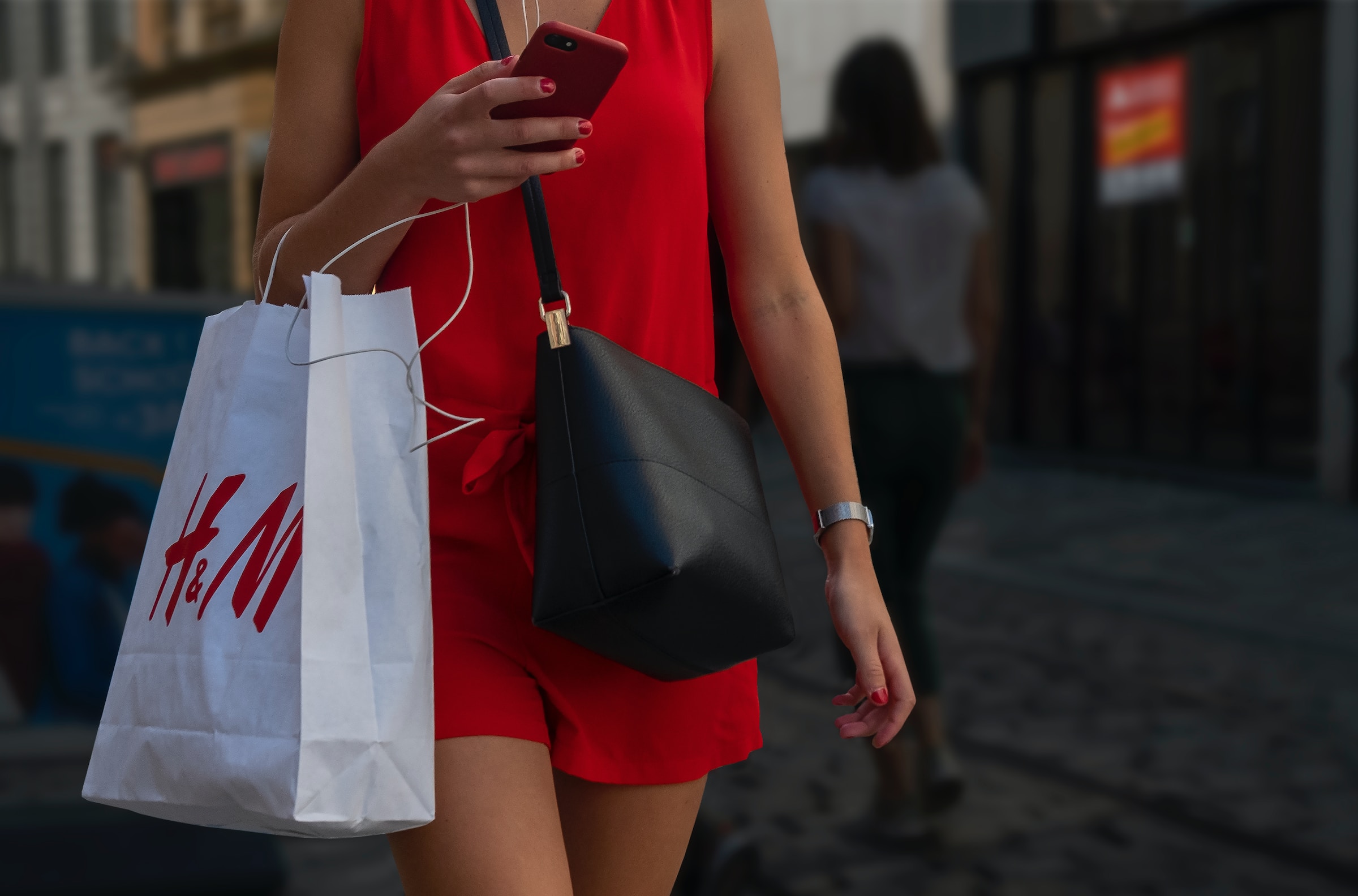
Fast-fashion giant H&M, led by CEO Helena Helmersson, is expanding its product mix with a strategic focus on third-party brands to boost growth. The retailer's ambitious plan aims to double its sales by 2030 by offering popular external brands like Adidas and New Balance across its online and physical stores.
Following a similar path, online fast-fashion company Shein has attracted high-end brands like Paul Smith and Stuart Weitzman to join its third-party marketplace strategy. On the other hand, Zara has opted to collaborate with third-party brands such as shoemaker Clarks and South Korean brand Ader Error, producing higher-priced exclusive products.
By adopting the marketplace model, fast-fashion companies aim to compete with e-commerce giants and offer a wide range of diverse brands and higher-margin products. This strategic move attracts new customers and enhances their brand reputation. Furthermore, it grants third-party brands greater exposure to a wider audience.
Sky Canaves, a senior analyst at Insider Intelligence, highlights how fast-fashion brands have faced competition from e-commerce giants like Amazon for years. According to Insider Intelligence's June forecast, Amazon is expected to dominate the apparel and accessories category, with sales reaching $69.72 billion in 2023, representing 32.6% of total U.S. retail e-commerce sales in the category. In order to counter this, fast-fashion brands need to take action.
To achieve its ambitious goal of doubling sales by 2030, H&M recognizes the importance of incorporating third-party brands on its website. Presently, H&M offers 70 external brands across six markets, including popular names like Adidas and New Balance. This effort has already resulted in a 6% increase in net sales, totaling approximately $5.36 billion.
Similarly, Zara observed a tremendous 13% growth in both in-store and online sales in its recent quarter, amounting to €7.6 billion ($8 billion). According to Canaves, all fast-fashion players will ultimately aim to diversify and upgrade their offerings, delving into higher-margin businesses.
The addition of third-party brands to H&M's website plays a pivotal role in achieving its sales doubling target by 2030. With 70 external brands already available on its platform in six markets, H&M is making strides toward this goal. Notably, products from brands like Adidas and New Balance are already available for purchase on some H&M Group-owned stores and websites.
Photo: Fernand De Canne/Unsplash







