


 Sony Q3 Profit Jumps on Gaming and Image Sensors, Full-Year Outlook Raised
  TSMC Eyes 3nm Chip Production in Japan with $17 Billion Kumamoto Investment
  Panama Supreme Court Voids CK Hutchison Port Concessions, Raising Geopolitical and Trade Concerns
  Newly Released DOJ Epstein Files Expose High-Profile Connections Across Politics and Business
  Rio Tinto Shares Hit Record High After Ending Glencore Merger Talks
  Trump Lawsuit Against JPMorgan Signals Rising Tensions Between Wall Street and the White House
  Sam Altman Reaffirms OpenAI’s Long-Term Commitment to NVIDIA Amid Chip Report
  Washington Post Publisher Will Lewis Steps Down After Layoffs
  Nasdaq Proposes Fast-Track Rule to Accelerate Index Inclusion for Major New Listings
  Alphabet’s Massive AI Spending Surge Signals Confidence in Google’s Growth Engine
  Uber Ordered to Pay $8.5 Million in Bellwether Sexual Assault Lawsuit
  Prudential Financial Reports Higher Q4 Profit on Strong Underwriting and Investment Gains
  TrumpRx Website Launches to Offer Discounted Prescription Drugs for Cash-Paying Americans
  Tencent Shares Slide After WeChat Restricts YuanBao AI Promotional Links
  New York Judge Orders Redrawing of GOP-Held Congressional District
  Global PC Makers Eye Chinese Memory Chip Suppliers Amid Ongoing Supply Crunch
  U.S. Condemns South Africa’s Expulsion of Israeli Diplomat Amid Rising Diplomatic Tensions


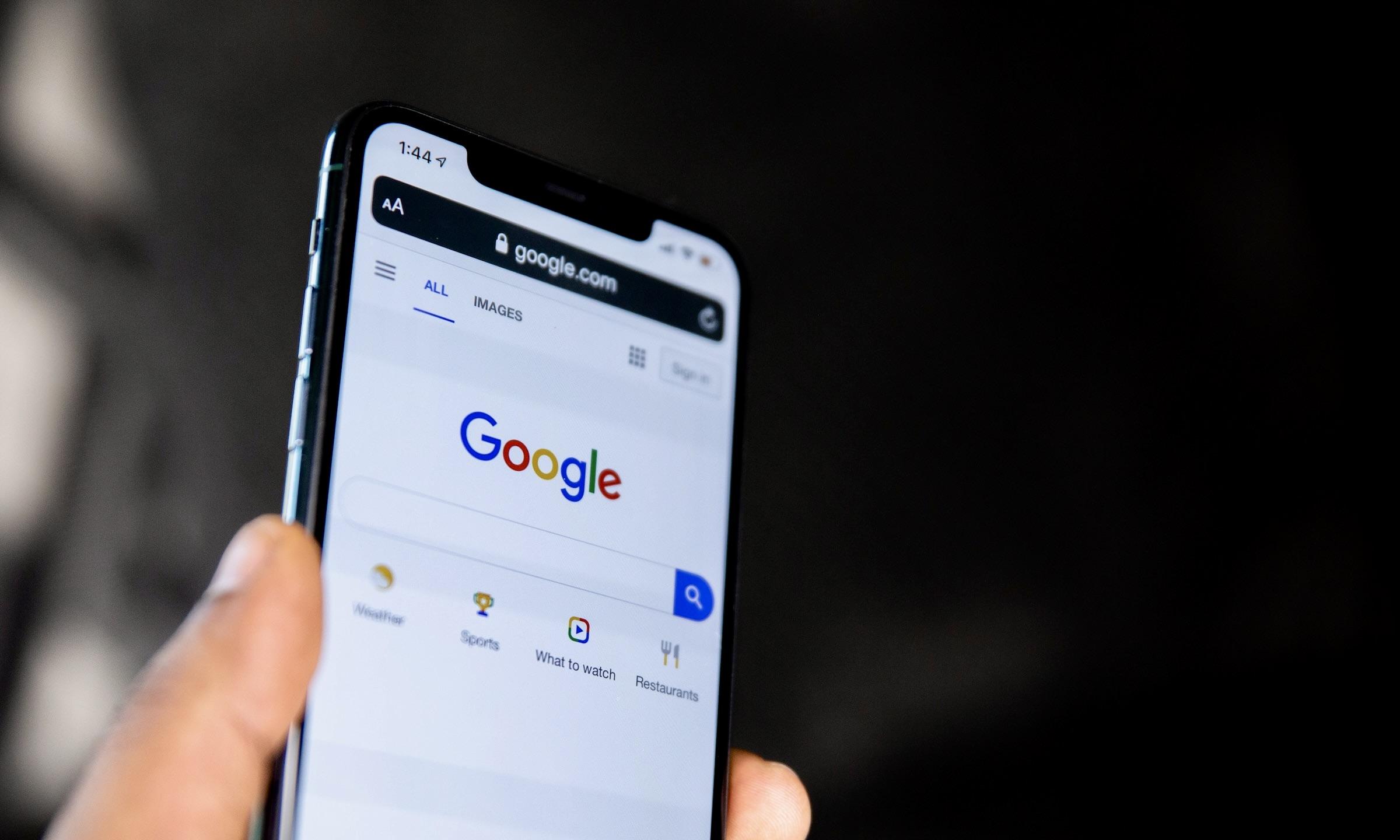
In a major antitrust case, Google CEO Sundar Pichai defended his company's practice of paying tech giants, including Apple, as the default search engine on their devices. Pichai stated that the intention was to enhance the user experience, making it "seamless and easy."
The Department of Justice, on the other hand, argued that these payments hinder competition and stifle innovation. Japan Today reported that recent court documents reveal that Google paid over $26 billion in 2021, while Alphabet's operating expenses reached approximately $68 billion.
The Purpose of Google's Payments to Tech Companies
As Google's star defense witness, Pichai clarified that the payments made to phone manufacturers and wireless phone companies served multiple purposes, according to ABC News. Beyond acquiring the advantage of being the default search engine, these payments also aimed to prompt improvements in security and overall device performance.
Google's revenue comes from displaying advertisements in its search results, and it shares a portion of that revenue with Apple and other companies that make Google their default search engine.
Google maintains that its dominance in the market is rooted in the superior performance of its search engine. Pichai emphasized the company's relentless efforts to provide the best user experience for every query. He stated, "We are working very, very hard to ensure that we deliver the optimal experience for every user. That's always been our true north."
Google's anxieties about potential competition were also revealed during the trial. The company feared Apple might establish its search engine, potentially disrupting the market. Furthermore, Google acknowledged concerns about losing talent to Apple.
Antitrust Case Timeline and Trial Proceedings
The antitrust case was initially filed in 2020, and the trial commenced on September 12th in the U.S. District Court in Washington D.C. The proceedings are expected to span 10 weeks.
U.S. District Judge Amit Mehta is not expected to issue a ruling until early next year. If the court concludes that Google violated antitrust laws, a subsequent trial will determine the appropriate measures to curb Google's market power. One potential outcome could be prohibiting Google from paying companies such as Apple to make it the default search engine.
Microsoft CEO Satya Nadella appeared as a witness earlier in the trial, highlighting the significant hold that Google has developed over the market. This ongoing antitrust case underscores the scrutiny faced by dominant tech companies and their impact on competition and innovation.
Photo: Solen Feyissa/Unsplash













