


 SoftBank Corp Partners With Sierra to Expand AI Customer Support Across Japan
  Samsung Chairman Lee Jae-yong Expected to Meet Nvidia CEO Jensen Huang on AI and Chip Partnership
  SK Hynix Soars 13% in Nasdaq Debut After Record $26.5 Billion IPO
  AstraZeneca Shares Sink After Wainua Trial Misses Key Heart Disease Goal
  UBS Starts CarTrade Tech With Buy Rating, Sees Strong Earnings Growth and ₹4,000 Target
  Apple Sues OpenAI, Former Employees Over Alleged Trade Secret Theft
  Samsung to Launch First Yongin Chip Plant by 2029 as South Korea Speeds Up Semiconductor Hub
  Genesis Minerals to Acquire Vault in A$5.6 Billion Deal After Regis Withdraws
  Elon Musk Says Anthropic Leads AI Race as Claude Models Challenge OpenAI
  Morgan Stanley Names Marks & Spencer Top European Retail Pick, Sees Strong Upside
  Deutsche Bank Fined A$2 Million by ASIC Over OTC Derivatives Reporting Errors
  Morgan Stanley Says China’s Reusable Rocket Progress Poses Long-Term Challenge to SpaceX
  Fast Retailing Raises Full-Year Forecast After Uniqlo Owner Beats Q3 Profit Estimates
  Muji Owner Ryohin Keikaku Stock Soars After Raising Full-Year Earnings Forecast
  Australia Flags Child Safety Gaps at Apple, Meta, Google Over Online Sexual Extortion
  Oppenheimer Sees CNH Industrial as Top 2026 Agriculture Stock Pick on Dealer Consolidation Strategy
  DOJ Grand Jury Investigates UAW President Shawn Fain Ahead of Union Election


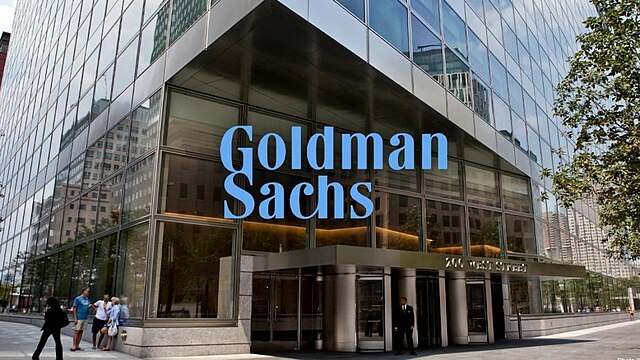
Goldman Sachs CEO David Solomon said financial markets may still be underestimating the potential economic impact of the escalating conflict in the Middle East, noting that investors could take several weeks to fully absorb the geopolitical risks. Speaking at a business summit in Sydney on Wednesday, Solomon expressed surprise at what he described as a relatively calm market response despite the scale of the crisis.
According to Solomon, global markets have shown a “benign” reaction so far, even though geopolitical tensions in the Middle East typically create volatility in commodities, currencies, and equities. He suggested that investors often respond cautiously to geopolitical events unless they clearly threaten global economic growth or disrupt financial stability.
Solomon explained that the cumulative impact of geopolitical developments has not yet fully materialized in financial markets. While investors have shifted some capital toward safe-haven assets, the broader reaction has remained limited. He noted that it could take a couple of weeks before market participants fully assess the short-term and medium-term implications of the conflict.
Rising oil prices have already reflected concerns about potential supply disruptions as the regional conflict widens. Higher energy costs could add pressure to global inflation, a key factor investors and policymakers continue to monitor closely. At the same time, global stock markets have declined slightly while the U.S. dollar has strengthened as investors reduce exposure to riskier assets.
Despite these developments, Wall Street has experienced only modest losses. The benchmark S&P 500 index has fallen less than 1% this week, recovering some of its earlier declines during recent trading sessions. The relatively limited drop suggests that many investors are still waiting for clearer signals about how the situation may affect global economic conditions.
Solomon also emphasized that several macroeconomic factors continue to support the U.S. economy. He pointed to easing monetary policy conditions and a significant relaxation of regulatory pressures as key drivers helping sustain economic momentum. Even with geopolitical uncertainty, he believes the United States remains on a strong economic growth trajectory, supported by favorable macro tailwinds.







