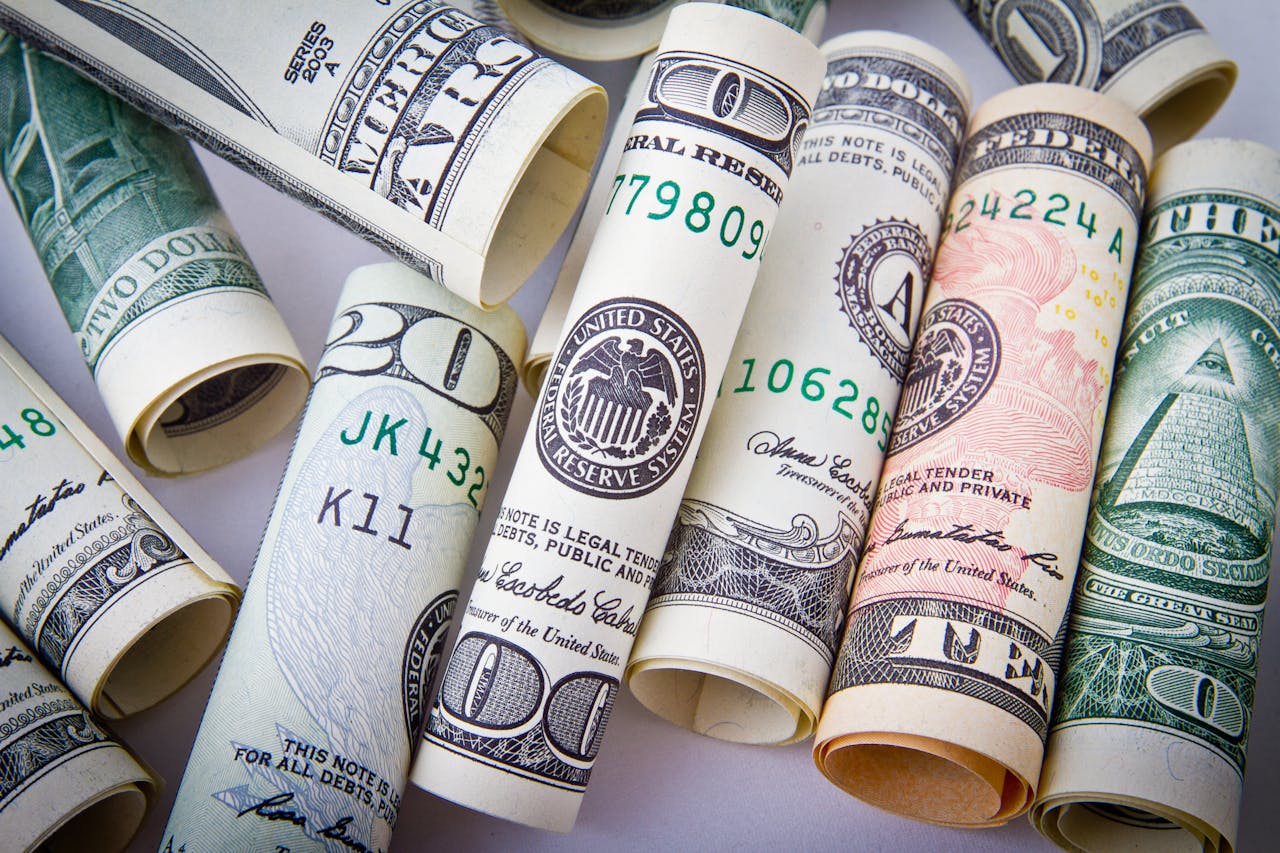
The U.S. dollar climbed to a near two-week high on Friday after Federal Reserve Chair Kevin Warsh delivered a hawkish message at the Jackson Hole Economic Policy Symposium, strengthening expectations for a September interest rate hike.
The U.S. Dollar Index, which measures the greenback against six major currencies, rose 0.5% to 99.65 at 15:36 ET, reaching its highest level since August 18. The dollar was also heading for a weekly gain of roughly 1%, reversing losses recorded during the previous week.
Warsh said underlying U.S. inflation trends had not “meaningfully improved” and emphasized the Federal Reserve’s commitment to restoring price stability. While describing the labor market as consistent with full employment, he said inflation remained the more concerning part of the Fed’s dual mandate.
Markets interpreted the remarks as supporting tighter monetary policy. CME FedWatch data showed traders raising the probability of a 25-basis-point Fed rate hike in September to more than 57%, compared with around 35% a day earlier. Deutsche Bank economists said incoming economic data may now need to weaken significantly to prevent a September hike and maintained their forecast for increases in both September and December.
U.S. Treasury yields jumped following Warsh’s speech. The benchmark 10-year yield increased 5.9 basis points to 4.729%, while the rate-sensitive two-year yield climbed 12 basis points to 4.352%. Higher bond yields typically support the U.S. dollar by increasing the relative appeal of dollar-denominated assets.
The stronger greenback also reduced momentum behind the recent “debasement trade,” which had pushed investors toward gold and cryptocurrencies amid concerns over U.S. government debt exceeding $40 trillion.
Elsewhere in currency markets, the Canadian dollar headed for a roughly 1% weekly decline as U.S.-Canada trade tensions intensified, despite Canada reporting annualized second-quarter economic growth of 3.3%.
The Japanese yen also weakened sharply, with USD/JPY touching 160 for the first time since the joint U.S.-Japan intervention in late July. Meanwhile, the South Korean won strengthened for a second consecutive session after the Bank of Korea raised interest rates for a second straight meeting.