


 Middle East War Rattles Global Markets as Oil Tops $100 and Dollar Surges
  U.S. Stock Futures Steady as Iran Reviews U.S. Ceasefire Proposal
  Asian Stocks Gain Amid Iran Conflict Uncertainty
  Australia's Inflation Eases in February but Core Pressures Persist
  Gold Prices Surge on U.S.-Iran Ceasefire Reports
  Gold Prices Climb as Middle East Ceasefire Talks Stir Market Optimism
  Federal Reserve Balance Sheet Reduction: Brookings Research Outlines Possible Path Forward
  Oil Prices Climb as Iran Reviews U.S. Peace Proposal Amid Middle East Tensions
  Bank of Japan Eyes April Rate Hike Despite Inflation Dip, ING Says
  Oil Prices Plunge Over 6% as Middle East Ceasefire Hopes Ease Supply Fears
  WTO Reform Talks Begin in Cameroon Amid Global Trade Tensions
  Oil Prices Rebound as Iran Denies U.S. Talks Amid Gulf War Supply Fears
  Iran-Israel Missile Strikes Continue Amid Mixed Signals on U.S.-Iran Diplomacy
  Japan's Private Sector Growth Slows in March Amid Rising Costs and Middle East Uncertainty
  Japan Eyes Oil Futures Intervention to Stabilize Yen Amid Middle East Crisis


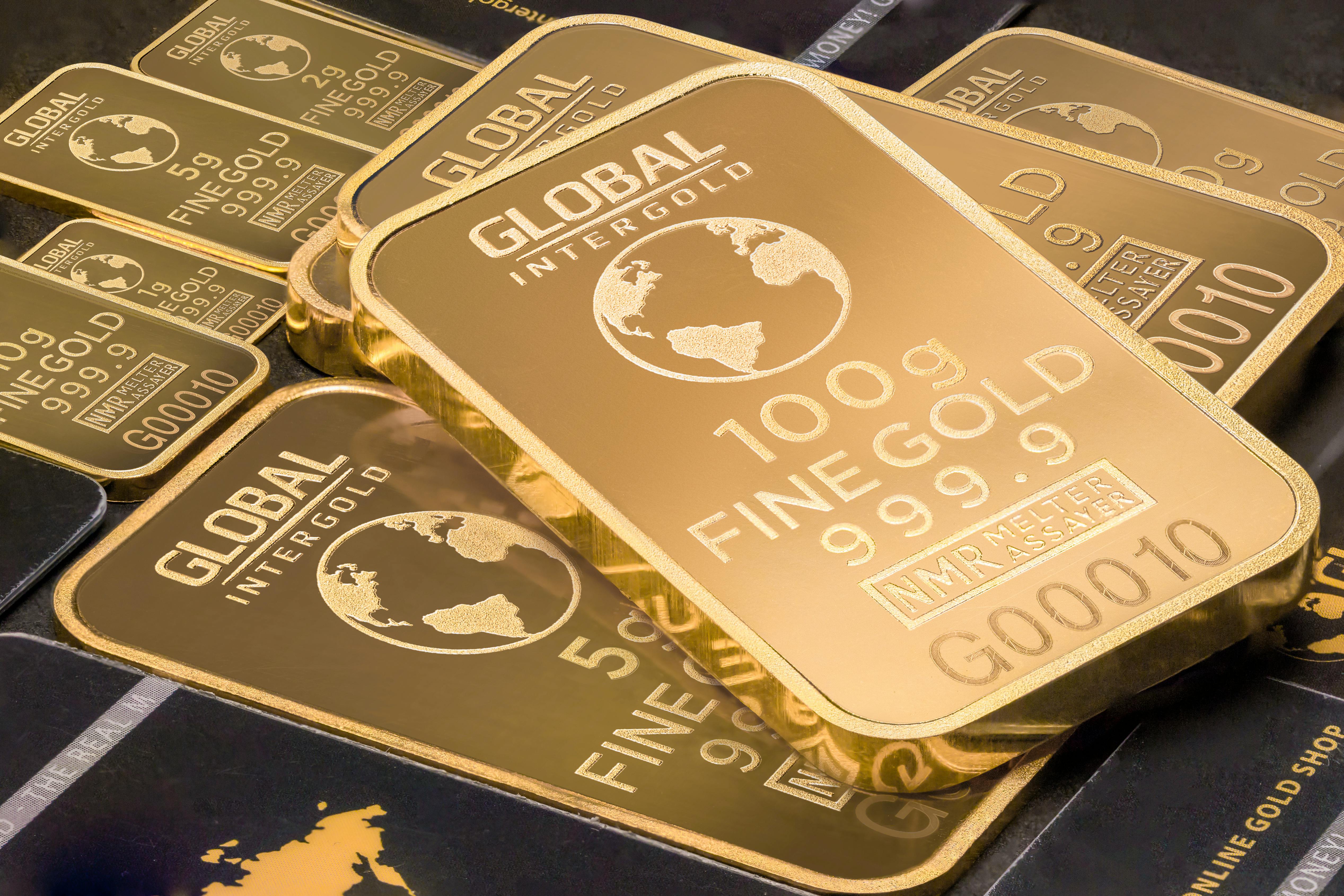
Gold prices slipped slightly in Asian trading on Thursday, easing after a powerful rally earlier in the week as investors grew increasingly confident that the U.S. Federal Reserve will cut interest rates in December. Expectations of a more dovish policy path strengthened further amid speculation that a Fed Chair closely aligned with President Donald Trump could replace Jerome Powell when his term ends in 2026. Weak U.S. economic data also added pressure on the dollar, providing broader support to precious metals.
Spot gold dipped 0.3% to $4,152.35 per ounce in early trading, while gold futures declined 0.4% to $4,184.15 per ounce. Despite the slight pullback, gold remains up more than 2% this week as traders increasingly price in a 25-basis-point rate cut next month. According to CME FedWatch, markets now see a nearly 80% chance of a December cut—an enormous jump from roughly 24% just a week ago.
The shift in sentiment followed comments from two Fed policymakers signaling support for easing monetary policy, alongside disappointing U.S. economic indicators that reinforced concerns over slowing growth. Investors also reacted to geopolitical developments, including limited progress in ceasefire efforts between Russia and Ukraine and growing tensions between Japan and China—both of which boosted safe-haven demand for gold.
Other metals moved lower alongside gold. Spot silver fell 0.7% to $52.9525 per ounce after briefly approaching all-time highs, while platinum outperformed with a 1.7% jump to $1,616.76 per ounce, though the catalyst for its surge was unclear. Lower interest rates generally benefit non-yielding assets such as gold, as investors tend to shift away from government bonds in a declining-rate environment.
Attention is also turning to the potential successor to Fed Chair Jerome Powell. Reports suggest that White House National Economic Council Director Kevin Hassett is the leading candidate. Seen as a close ally of President Trump, Hassett is expected to advocate more aggressively for lower interest rates—a stance that could shape long-term monetary policy if he is appointed.
Several Fed officials have recently emphasized that supporting the labor market may outweigh inflation concerns in the near term, adding further momentum to expectations for rate cuts as price pressures are projected to cool in the coming months.













