


 Putin Envoy Kirill Dmitriev to Visit Miami for Talks With Trump Administration Officials
  Trump to Announce New Federal Reserve Chair Pick as Powell Replacement Looms
  Kevin Warsh’s Fed Nomination Raises Questions Over Corporate Ties and U.S.–South Korea Trade Tensions
  Trump Nominates Brett Matsumoto as Next Bureau of Labor Statistics Commissioner
  U.S. Eases Venezuela Oil Sanctions to Boost American Investment After Maduro Ouster
  Faith Leaders Arrested on Capitol Hill During Protest Against Trump Immigration Policies and ICE Funding
  Trump’s Iraq Envoy Mark Savaya Ousted Amid U.S.-Iraq Tensions Over Iran Influence
  Democrats Question Intelligence Chief’s Role in FBI Georgia Election Raid
  U.S. and El Salvador Sign Landmark Critical Minerals Agreement to Boost Investment and Trade
  Minnesota Judge Rejects Bid to Halt Trump Immigration Enforcement in Minneapolis
  Pierre Poilievre Retains Conservative Leadership After Election Defeat in Canada
  Zelenskiy Awaits U.S. Details as Ukraine Prepares for Possible Peace Talks Next Week
  U.S. Approves Over $6.5 Billion in Military Sales to Israel Across Three Defense Contracts
  U.S.–Venezuela Relations Show Signs of Thaw as Top Envoy Visits Caracas
  Christian Menefee Wins Texas Special Election, Narrowing GOP House Majority
  Trump Orders DHS to Avoid Protests in Democratic Cities Unless Federal Assets Are Threatened
  Syria-Kurdish Ceasefire Marks Historic Step Toward National Unity


President-elect Donald Trump's recent statements about potentially reclaiming U.S. control over the Panama Canal have ignited a debate about the strategic waterway's management. Trump criticized Panama for imposing "ridiculous" fees on American vessels and expressed apprehension about possible Chinese influence over the canal's operations.
Gimenez's Perspective on Canal Control
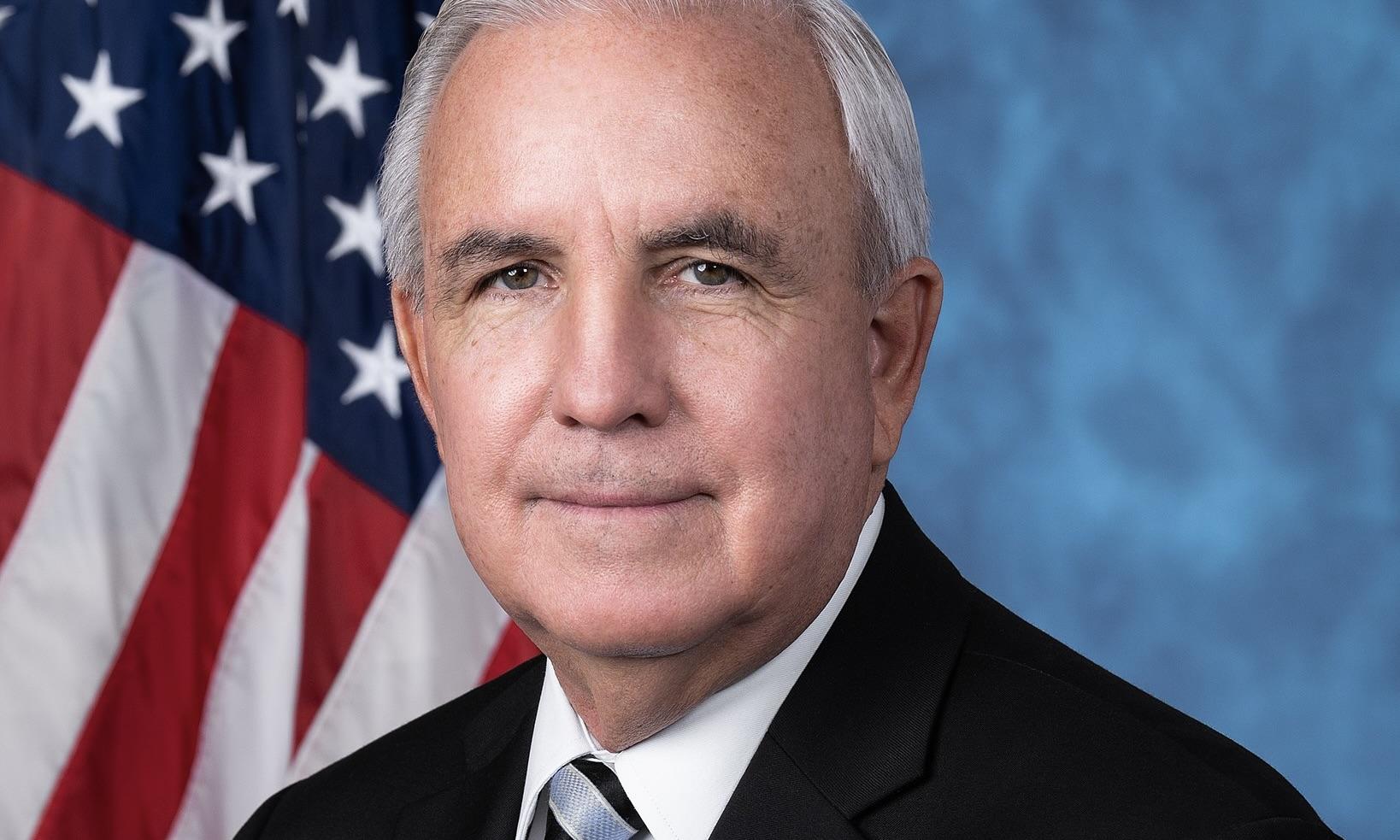
Representative Carlos Gimenez (R-FL) has voiced support for Trump's concerns, emphasizing the strategic importance of the Panama Canal to U.S. national security. In a recent interview, Gimenez highlighted the growing presence of Chinese entities in the region, stating, "China has a way of trying to either buy or coerce different influencers or politicians to do their bidding." He pointed out that Chinese companies manage ports at both ends of the canal, raising alarms about potential implications for U.S. interests.
Historical Context and Current Dynamics
The United States constructed the Panama Canal in the early 20th century and maintained control until 1999, when it was handed over to Panama under the Torrijos–Carter Treaties. Since then, Panama has managed the canal, which remains a vital conduit for global maritime trade. Recent years have seen increased Chinese investment in Latin America, including infrastructure projects in Panama. This development has led to concerns among U.S. policymakers about China's expanding influence in the Western Hemisphere.
Public Reaction
The discourse surrounding the Panama Canal has elicited varied responses on social media platforms. Twitter user @TradeWatchdog commented, "China's involvement in Panama's ports is a strategic move; the U.S. should be cautious." In contrast, @GlobalTradeGuru noted, "International investments are common; not every Chinese project poses a threat." User @SovereigntyFirst expressed, "Panama has the right to manage its canal without external pressure."
Meanwhile, @USSecurityHawk remarked, "Allowing foreign control over critical infrastructure near the U.S. is risky." Additionally, @EconAnalyst tweeted, "The canal's fees are a matter of international commerce; unilateral demands won't help." Finally, @DiplomacyMatters opined, "Diplomatic engagement is essential to address concerns without escalating tensions."













