


 Dow Hits 50,000 as U.S. Stocks Stage Strong Rebound Amid AI Volatility
  Gold Prices Slide Below $5,000 as Strong Dollar and Central Bank Outlook Weigh on Metals
  Japan Economy Poised for Q4 2025 Growth as Investment and Consumption Hold Firm
  Global Markets Slide as AI, Crypto, and Precious Metals Face Heightened Volatility
  Bank of Japan Signals Readiness for Near-Term Rate Hike as Inflation Nears Target
  Fed Governor Lisa Cook Warns Inflation Risks Remain as Rates Stay Steady
  Silver Prices Plunge in Asian Trade as Dollar Strength Triggers Fresh Precious Metals Sell-Off
  Dollar Near Two-Week High as Stock Rout, AI Concerns and Global Events Drive Market Volatility
  South Korea Assures U.S. on Trade Deal Commitments Amid Tariff Concerns
  Vietnam’s Trade Surplus With US Jumps as Exports Surge and China Imports Hit Record
  Singapore Budget 2026 Set for Fiscal Prudence as Growth Remains Resilient
  China Extends Gold Buying Streak as Reserves Surge Despite Volatile Prices
  Trump Signs Executive Order Threatening 25% Tariffs on Countries Trading With Iran
  U.S.-India Trade Framework Signals Major Shift in Tariffs, Energy, and Supply Chains
  Trump’s Inflation Claims Clash With Voters’ Cost-of-Living Reality
  South Korea’s Weak Won Struggles as Retail Investors Pour Money Into U.S. Stocks
  India–U.S. Interim Trade Pact Cuts Auto Tariffs but Leaves Tesla Out


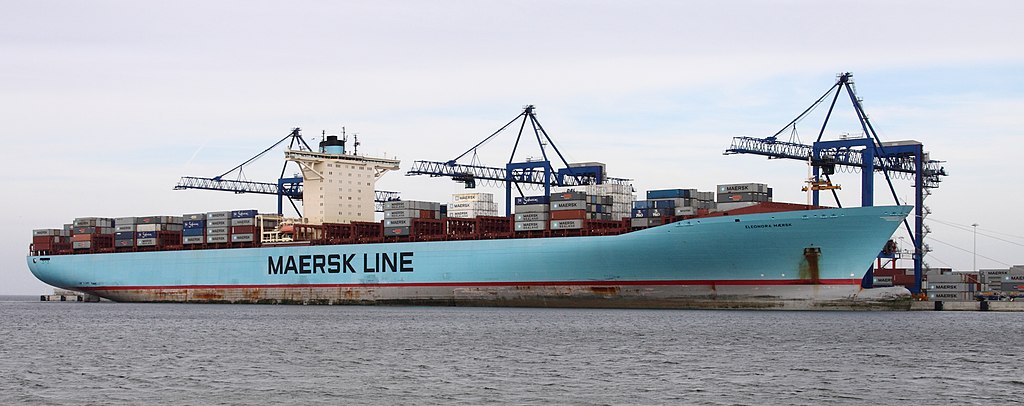
Germany’s trade surplus with the U.S. soared to a record €70 billion ($72 billion) in 2024, up from €63.3 billion in 2023, raising concerns amid rising trade tensions. The increase comes as U.S. President Donald Trump enforces 25% tariffs on steel and aluminum imports, fueling uncertainty over potential new duties on German goods.
German exports to the U.S. rose 2.2% to €161.3 billion, led by automobiles and pharmaceuticals, reinforcing the U.S. as Germany’s top export market. Meanwhile, imports from the U.S. dropped 3.4% to €91.4 billion, further widening the trade gap. Experts warn that new tariffs on German imports could disrupt bilateral trade and economic stability, especially as Germany grapples with a two-year economic contraction, making it the only G7 country to do so.
Holger Goerg from the Kiel Institute for the World Economy (IfW) emphasized that the U.S. trade deficit stems from weak global competitiveness, not unfair trade practices. He noted that imposing tariffs would likely hurt U.S. exports, rather than boost domestic manufacturing. Meanwhile, German Chancellor Olaf Scholz stated the EU is prepared to retaliate if new tariffs are imposed.
Trade specialist Damon V. Pike highlighted Trump’s frustration with Germany’s export-heavy economy, suggesting the president could impose tariffs on EU imports as early as next week. While Germany enjoys a strong goods trade surplus, the U.S. dominates in services exports, an important factor often overlooked in trade disputes.
As tensions rise, economists warn that an escalating U.S.-EU trade conflict could have far-reaching consequences for global markets, impacting investment, supply chains, and economic growth.













