


 Bank of America Predicts Yen Rebound as USD/JPY Faces Risks
  Swimming in the sweet spot: how marine animals save energy on long journeys
  AT&T Sells Mexico Wireless Business to Televisa for $2 Billion
  Oil Prices Rise as Houthi Attacks Threaten Middle East Supply
  Lake beds are rich environmental records — studying them reveals much about a place’s history
  Oil Prices Mixed as Russia Diesel Deal and Houthi Attacks Raise Supply Concerns
  Wall Street Closes Lower as Bank Earnings and AI Concerns Weigh
  Asian Currencies Steady as Dollar Nears 18-Month High Ahead of US CPI
  US Dollar Near 18-Month High Ahead of Inflation Data
  Rise of the Zombie Bugs takes readers on a jaw-dropping tour of the parasite world
  Burkina Faso and Mali’s fabulous flora: new plant life record released
  Elon Musk Donates $366 Million to 2026 US Midterms
  Albertsons Seeks $9.3 Billion From Kroger Over Failed Merger
  LA fires: Long-term exposure to wildfire smoke is poorly understood − and a growing risk
  South Korea Blocks 27 Crypto Exchange Websites in Regulatory Crackdown


 Add as a preferred source on Google
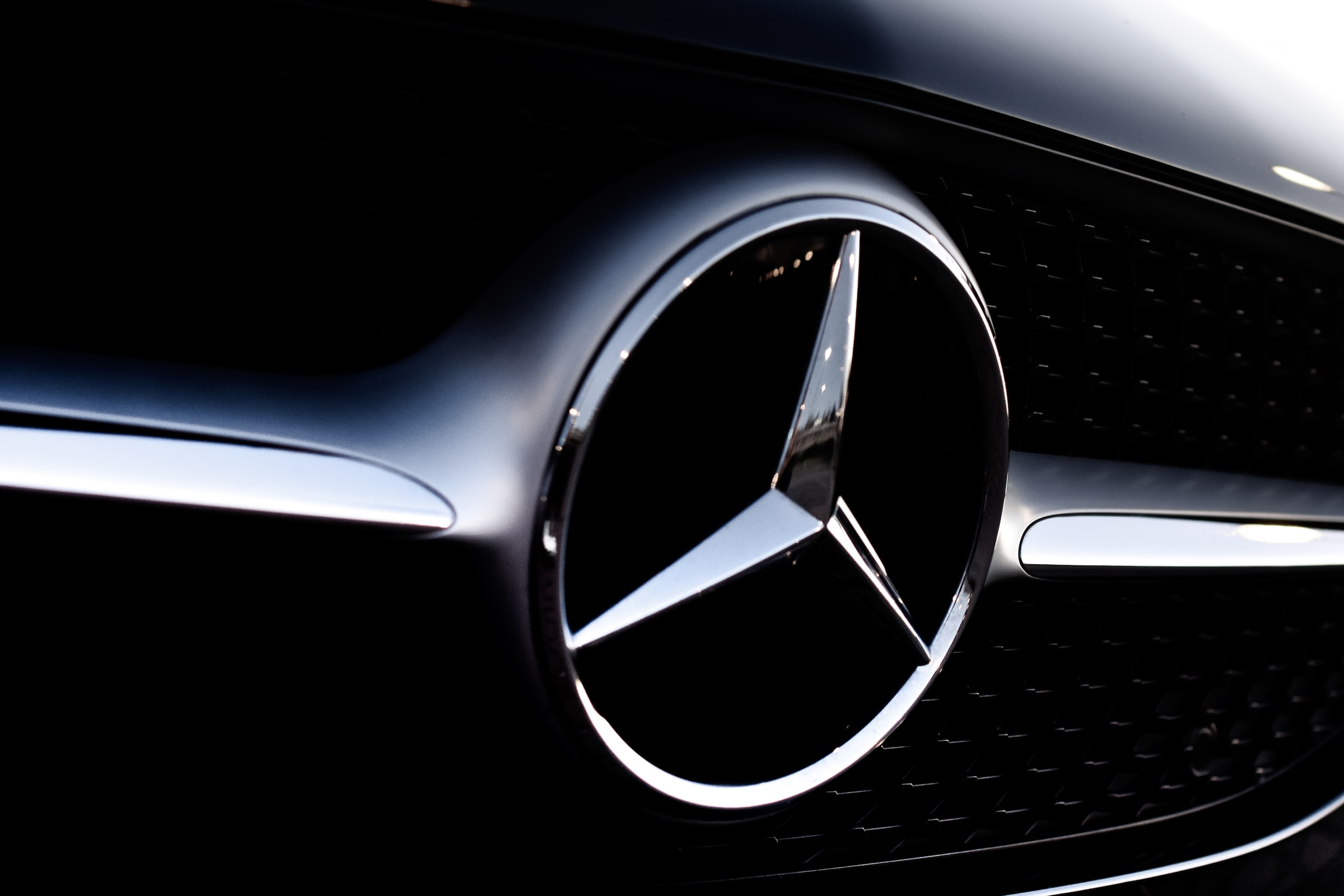
Mercedes-Benz Group is addressing shoe waste head-on, launching a novel recycling initiative in collaboration with Soex, a German textile recycling specialist. The project, estimated to rescue around 25,000 pairs of shoes from destruction annually, utilizes a state-of-the-art tool transforming crushed materials into new soles. The innovative partnership underscores a significant shift towards sustainable practices in the footwear industry.
During a recent visit to Soex's site in Wolfen near Leipzig, it became evident that their focus revolves around repurposing end-of-life shoes and transforming them into brand-new pairs, achieved through a groundbreaking tool that converts crushed materials into new soles. By doing so, Soex is estimated to save around 25,000 pairs of shoes from going to waste.
With more than 40 materials often strongly adhered together, separating them proved challenging. However, Soex, in collaboration with their British partner In-Cycle and French eco-organization ReFashion, has developed a groundbreaking facility specifically designed for this purpose.
Soex said it is gratifying that Mercedes-Benz Group has expressed confidence in its capabilities, as this partnership sets the stage for large-scale footwear recycling. Mercedes-Benz will facilitate the shoe collection process from its employees by setting up six dedicated containers at its Sindelfingen factory, located near Stuttgart.
Beyond footwear recycling, Soex is actively working on automated sorting methods for end-of-life textiles to expand its recycling efforts further. Among six companies in Europe offering such automated sorting lines (including Cetia in France, Coleo Recycling in Spain, Salvation Army in the UK, Sysav in Sweden, and Wieland Textiles in the Netherlands), Soex is at the forefront of this innovative technology.
Adding to their strides in recycling, Soex recently announced their partnership with Germany-based rental service DBL-Böge. Together, they aim to save approximately 25 tonnes of clothing from incineration each year by reclaiming used workwear. At the Soex plant, old and discarded workwear from DBL-Böge undergoes grouping based on color and material using an infrared sorting station. Subsequently, the garments are recycled and reintroduced into the textile cycle, serving as raw materials for yarn production.
It's worth noting that globally, a staggering 22 billion pairs of shoes are produced yearly. Soex is gradually paving the way for widespread footwear recycling, benefiting partner brands, retailers, and groups.
Soex's dedication to textile recycling is an encouraging step towards a more sustainable future, and its commitment to innovation is instrumental in reshaping the fashion industry.
Photo: Jesper Brouwers/Unsplash







