


 Lenovo Shares Fall After Dropbox Security Breach Exposes ID Vulnerability
  Google Changes EU Spam Policy Amid Antitrust Scrutiny
  Dollar Hits Two-Week High as Iran Conflict Lifts Oil and Bond Yields
  The Realist’s Case: Lukas Kerrebijn of RD Dubai on the Narrative Dubai’s Agents Won’t Question
  Apple’s Phil Schiller Steps Back as Leadership Shake-Up Accelerates
  Shein Shares Slide 9% in Hong Kong IPO Debut
  Asian Currencies Mixed as Yen Nears 160, Oil Surges
  Gold Prices Steady as U.S.-Iran Tensions Lift Inflation Risks
  SpaceX Mobile Network Could Cost Up to $130 Billion, Bernstein Says
  Asian Stocks Slip as Fed Rate Hike Bets and Oil Surge Weigh
  Honda Targets $9.4 Billion in Cost Cuts as China EV Competition Intensifies
  OpenAI Nears Astra AI Model Launch With Safety Focus
  Amazon Secures 200 MW Wind Power Deals in Sweden
  MediaTek Shares Jump 10% on Nvidia’s $3.5 Billion Investment
  Brazil, US Resume Tariff Talks as Trade Tensions Persist
  Trump Says ExxonMobil Among Oil Majors Planning Venezuela Return
  Global Markets Brace for Fed Rate Hike as Oil Tops $91


 Add as a preferred source on Google
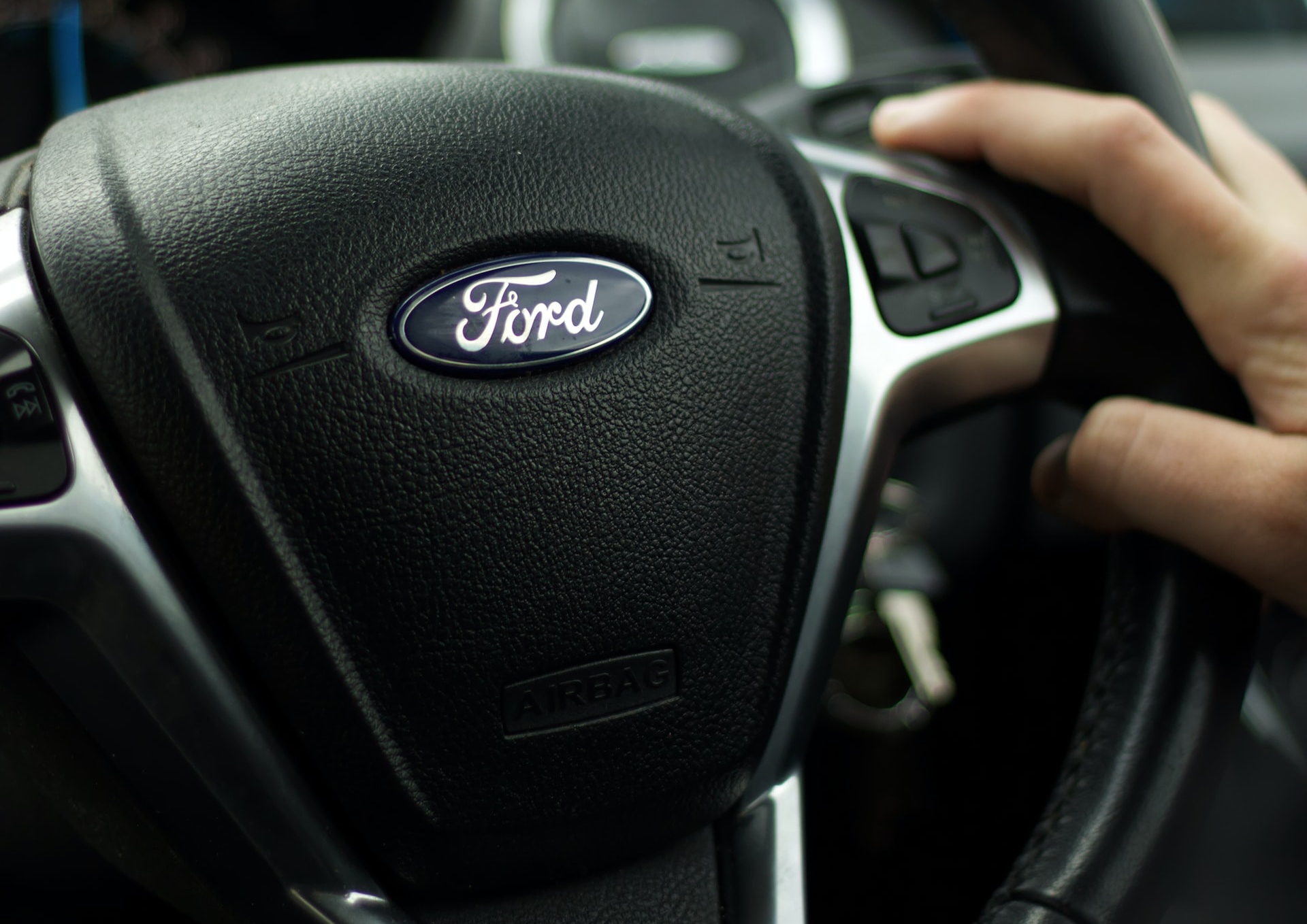
General Motors and Ford Motor are planning to put some self-driving vehicles on the streets, so they are requesting the U.S. auto safety regulators to grant them exemptions to carry out their plan. It should be noted that the vehicles have no steering wheels or brake pedals.
According to Reuters, the self-driving vehicles involved do not have human controls, so they are totally autonomous. Both General Motors and Ford Motor submitted their own petition and these were published by the National Highway Traffic Safety Administration (NHTSA) on Wednesday.
The NHTSA posted it to gather public comment and opinion for the petitions. These will be up for 30 days before the regulator decides whether to approve the automakers’ requests or not.
It was mentioned that the country’s traffic safety administration is also authorized to grant petition requests such as the ones filed by GM and Ford to allow some vehicles to run on the roads without any human control requirement. Steven Cliff, the NHTSA’s administrator, said they would be reviewing each petition to make sure it will be safe for everyone.
“NHTSA will carefully examine each petition to ensure safety is prioritized and to include considerations of access for people with disabilities, equity and the environment," Cliff said in a statement.
GM and Ford Motor are planning to release up to 2,500 vehicles per year which is the maximum number allowed for such vehicles under the law delivery services and ride-sharing. Then again, it appears that the companies only want the vehicles for the services they will offer because neither of them is seeking approval to sell the self-driving vehicles to the public.
Ford is planning to deploy its Cruise self-driving vehicle model, while GM wants to release its Origin model for the project. Ford’s vehicles have no steering wheels, turn signals, mirrors, or windshield wipers and GM’s has no steering wheels and features subway-like doors.
The Detroit News reported that the NHTSA’s move to release the details of Ford and GM’s requests to waive some federal safety standards for automated driving programs this week placed the carmakers one step closer to achieving their respective AV visions.







