


 HP Stock Drops 9% Despite Q3 Earnings Beat and Raised 2026 Outlook
  New Zealand Moves to Ban Social Media for Children Under 16
  Toyota Global Sales Fall as China Demand Slumps
  Countries Tighten Social Media Bans for Children
  Google Changes EU Spam Policy Amid Antitrust Scrutiny
  PayPal Shares Sink as $50 Billion Takeover Bid Collapses
  Itochu Offers $1.56 Billion to Privatize Dentsu Soken
  Unitree Shares Plunge 45% After Blockbuster IPO, Raising China Tech Bubble Fears
  Shein Hong Kong IPO to Raise $1.7 Billion at $26.5 Billion Valuation
  Meta, U.S. States Discuss Settlement in Teen Addiction Trial
  SK Hynix Shares Fall as Workers Reject Wage Deal
  Trump Administration Plans New Drug Pricing Deals With Biotech Firms
  BNP Paribas, KB Kookmin Eye $2 Billion Techcombank Stake
  Yindjibarndi Appeals Fortescue Mining Compensation Ruling
  Honda, Nissan Eye Shared Vehicle Software Platform by 2029
  Adidas, Puma Shares Fall as Dick’s Sporting Goods Cuts Outlook
  Trian Drops Wendy’s Take-Private Bid Plans, Shares Plunge 14%


 Add as a preferred source on Google
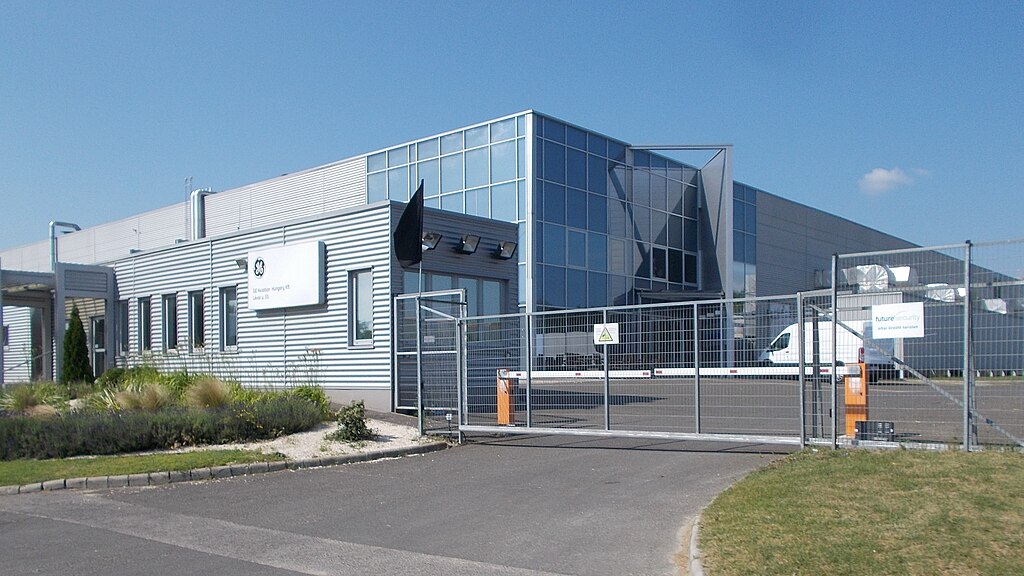
GE Aerospace is accelerating automation and AI-driven innovation at its Singapore engine repair hub as global airlines grapple with maintenance delays, parts shortages, and extended turnaround times. At the center of this transformation is technician Suresh Sinnaiyan, who has spent more than a decade manually repairing jet-engine compressor blades. Today, he is helping program robots to replicate the precision sanding and blending techniques traditionally performed by skilled human hands.
The initiative supports GE Aerospace’s broader strategy to ease aviation supply chain bottlenecks caused by unexpected wear in next-generation jet engines. These durability issues have grounded aircraft, forced airlines to extend the life of older jets, and stretched maintenance repair and overhaul (MRO) timelines to several months. Airlines have voiced concerns over rising engine servicing costs, while manufacturers argue they are investing heavily to expand capacity after significant research and development spending.
Singapore plays a critical role in GE’s solution. The company is upgrading its 2,000-employee facility with advanced robotics, digital tools, and artificial intelligence as part of an investment plan that could reach $300 million. GE aims to increase repair output by 33% without expanding the site’s physical footprint, focusing instead on workflow optimization, lean manufacturing practices, and automation.
Repairing used engine components rather than replacing them with newly manufactured parts reduces costs and turnaround time for airlines. GE says certain repair processes can cut both servicing time and expenses by up to 50%. For example, turnaround times for CFM56 turbine nozzle repairs have improved from 40 days in 2021, with a target of 21 days by 2028. The facility is also preparing to service newer LEAP engines entering overhaul cycles.
By capturing specialized manual skills in repeatable robotic systems, GE Aerospace aims to boost productivity, reduce dependence on scarce labor, and strengthen global aviation maintenance resilience as industry demand stabilizes.







