


 Apple Intelligence Cleared for China as Alibaba and Baidu AI Power iPhone Features
  Mikron H1 2026 Sales Fall 5.9% as Automation Weakness Weighs on Profit
  Hyundai Takes Full Control of Boston Dynamics to Accelerate Humanoid Robot and AI Strategy
  Jamie Dimon Warns Anthropic's Mythos AI Poses National Security Risks
  United Airlines Beats Q2 Earnings, Raises 2026 Profit Outlook Despite Higher Fuel Costs
  DeepSeek Eyes $74 Billion Valuation Ahead of Planned China IPO
  Airbus Signs Cloud Deal With Scaleway to Power Secure AI and Defense Applications
  Stripe, Advent Offer Over $53 Billion to Acquire PayPal in Major Fintech Deal
  BHP Q4 Iron Ore Output Rebounds as Copper Prices Boost Revenue
  SpaceX Eyes Pentagon AI Deal as Cloud Pricing Strategy Pressures CoreWeave
  Moonshot Launches Kimi K3, China's Largest Open-Source AI Model
  SpaceX Aborts Starship Test Flight as Engine Issue Delays Launch
  PayPal Rejects $53 Billion Stripe-Advent Takeover Offer as Too Low: Report
  Uber to Acquire Delivery Hero in $14.8 Billion Deal to Expand Global Food Delivery Business
  Volvo Cars Q2 Profit Falls as Automaker Bets on EX60 EV to Drive Recovery
  NY Times Challenges Trump Administration Subpoenas Over Air Force One Report
  Nvidia Partners With Fanuc and Yaskawa to Accelerate AI Robotics in Japan


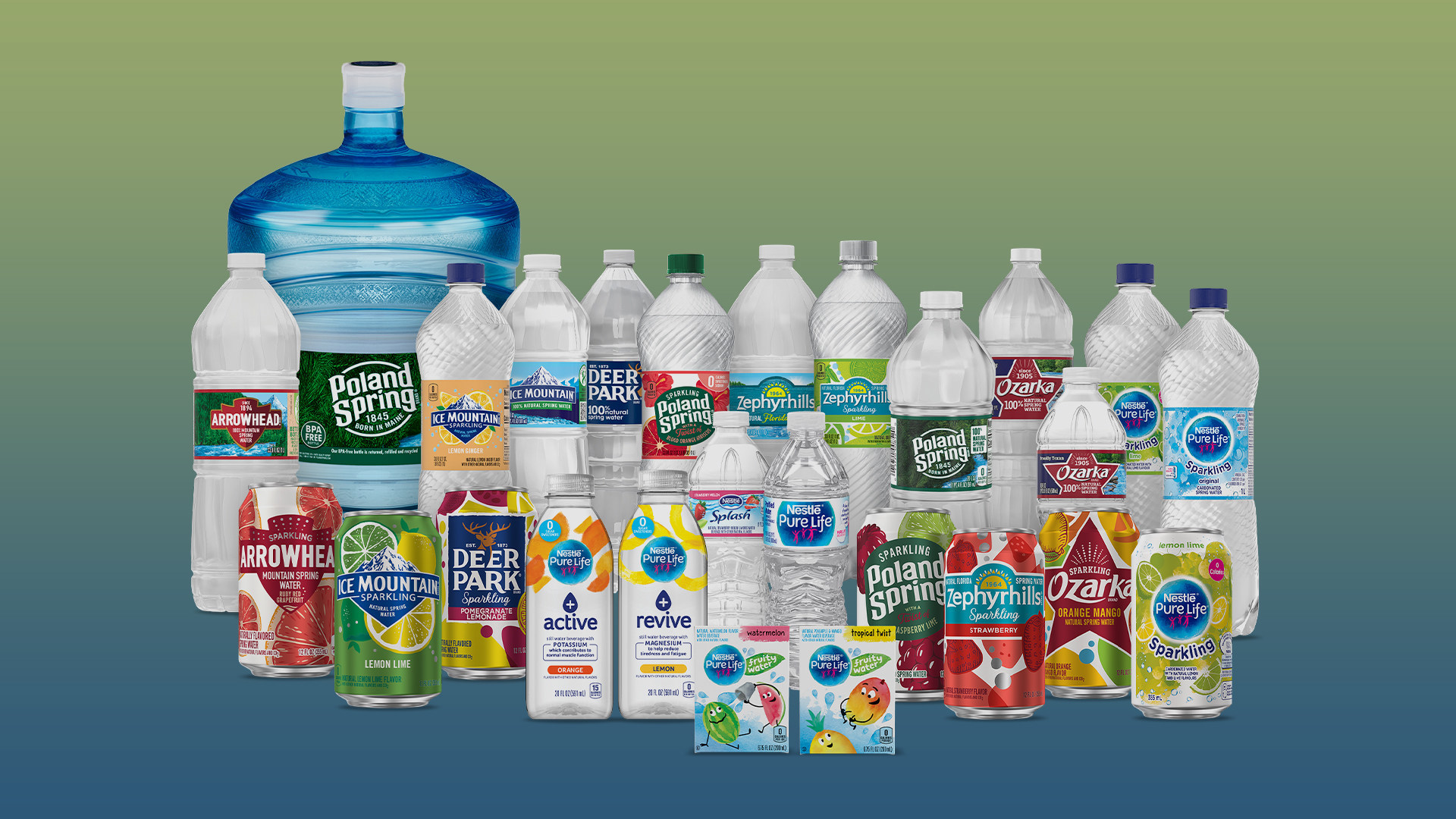
France's leading food safety authority, the Agence nationale de sécurité sanitaire de l'alimentation, de l'environnement et du travail (ANSES), has raised concerns over Nestlé's water sources. Following findings of "faecal" contamination, ANSES has recommended establishing a more robust monitoring system for sites where Nestlé extracts mineral water.
The Local reported that this call for increased oversight was made to the health ministry last year amidst ongoing investigations into allegations that Nestlé utilized illegal treatment processes to purify its mineral waters.
Contamination Concerns and Nestlé's Response
Investigators have pinpointed "multiple findings of microbiological contamination of faecal origin" in the regions where Nestlé bottles its renowned brands such as Perrier, Vittel, Contrex, and Hepar. Such findings necessitate "reinforced surveillance" to ensure the safety and quality of the water being extracted.
Despite these alarms, Nestlé maintains that its products are safe for consumption. Sophie Dubois, managing director of Nestlé Waters France, insists that their mineral waters are completely secure, citing negligible "residual traces" of pesticides that fall well below the allowable limits for mineral waters.
Public Reaction and Regulatory Framework
Just Drinks noted that the revelation from ANSES has ignited demands from the CGT union at Nestlé Waters for the management to provide clear explanations. Foodwatch, a consumer pressure group, urges an immediate cessation of marketing and a recall of the affected bottles, citing a breakdown in trust. In contrast, France's health ministry has not responded formally to these developments.
Nestlé's waters, including the well-known Contrex, Vittel, and Perrier, are distributed widely from the Vosges region in eastern France and Vergeze in the south. These events bring to light the stringent regulations governing mineral water in France, surpassing even those for tap water.
According to a 2007 decree, mineral water must be devoid of indicators of fecal contamination, parasites, and pathogenic microorganisms both at the source and point of sale, casting a shadow over Nestlé's compliance with these rigorous standards.
Photo: PR NewsWire







