


 Trump Buys Up to $25M in Meta Stock, Invests in SpaceX Debt
  Saudi Airport Attacks Kill Three as Yemen Fighting Escalates
  Flavio Bolsonaro Leads Lula 49%-45% in Brazil Runoff Poll
  Trump Cancels Alabama Football Trip as Hurricane Isaias Approaches
  Pentagon Orders Iran Strike Preparations as Trump Weighs Military Action
  Berlin Coalition Talks Advance After Left Party Antisemitism Deal
  Hegseth Praises USS Abraham Lincoln Crew After Record Iran War Deployment
  Italy Approves Electoral Reform Ahead of 2027 Election
  Trump Sanctions International Criminal Court, Sparking EU Backlash
  Zelenskiy Slams US Over Deadly Russian Strikes on Ukraine


 Add as a preferred source on Google
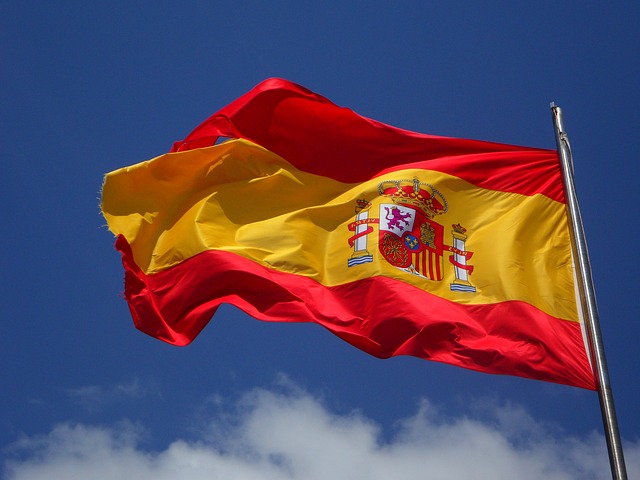
With over 99% of the vote counted, the results of the general election delivered neither an absolute majority for a single party (as was widely expected) nor any clear government coalition. Therefore, a minority government would seem the most likely outcome, even if it likely will take several weeks of discussions before a government gets the necessary parliamentary approval. Although it is not our base case, we cannot rule out new elections early next year if no party obtains a simple majority in parliament.
PP won the elections and obtained 123 MPs. PSOE was second with 90 MPs. The two new parties, Podemos and Ciudadanos, entered the parliament in third and fourth place, respectively; however, Podemos did better, winning 69 MPs, and Ciudadanos fared worse, garnering 40 MPs, than had been signaled by polls.
The bottom line is that there is no obvious alliance that would add up to the 176 seats needed for an absolute majority in the 350-seat Parliament.
A PP-PSOE alliance is highly unlikely based on the statements by the leaders of the two largest parties.
PP and Ciudadanos would get 163 seats, and PSOE and Ciudadanos would get 130.
PSOE and Podemos would get 159 seats.
Ciudadanos has ruled out joining Podemos in any multi-party alliance.
As for the rest of the parties, practically all are nationalist parties from either Catalonia or the Basque Country, which makes them unlikely coalition partners for either PP or PSOE
On the economic side, we have seen no sign of a slowdown in economic activity in Q4 15. Therefore, another strong growth print is expected in Q4 of c. 0.8% q/q. For 2016, as the ECB will continue to be supportive, oil is expected to remain cheap and the euro relatively weak, the Spanish economy is expected to expand 2.8%. It is believed that the policies of the next government could determine whether Spain's growth prospects move closer to Ireland's or stay closer to those of its southern European neighbours.
While progress has been made since 2012, some shortcomings create uncertainty about Spain's medium-term growth prospects and the sustainability of public and foreign debt. It is believed that a dual labour market, low productivity and one of the highest long-term unemployment rates among euro area countries require policy action. It is also believed that further productivity and growth gains are critical for fiscal and external solvency (for a detailed economic and political analysis)







