


 Prysmian, Rio Tinto Supply Low-Carbon Cables for Amazon Ohio Data Center
  H&M Q3 Profit Beats Estimates as Margins Improve
  US Northeast Airports Resume Operations After Telecom Outage Disrupts Thousands of Flights
  Novo Nordisk Weighs Direct NYSE Listing to Boost U.S. Profile
  Telix to Acquire Germany’s ITM in $1.65 Billion Radiopharma Deal
  Tencent Launches TenPayGo Payment App for Foreign Tourists in China
  China Vanke Shares Jump as Beijing Moves to Ease Debt Pressure
  SoftBank Raises $11.1 Billion in Bond Sale to Fund OpenAI Investment
  Meta Connect Spotlights Camera-Free Smart Glasses Amid Privacy Concerns
  Microsoft Stock Upgraded as Stifel Sees Stronger Azure Growth
  SoftBank Launches $11 Billion Bond Sale to Fund OpenAI Investment
  OpenAI Urges US-Led Global Standards for Frontier AI
  Meta Unveils Muse Charm AI Device, Expands Smart Glasses Lineup
  McDonald’s Sees Flat Traffic, Sticky Inflation as New Normal
  China Reviews Broadcom Switch Use in State Data Centres
  SpaceX Nasdaq 100 Weight to More Than Double in Rebalance
  Paramount Skydance Faces $30 Million Film Penalty in Warner Bros. Deal


 Add as a preferred source on Google
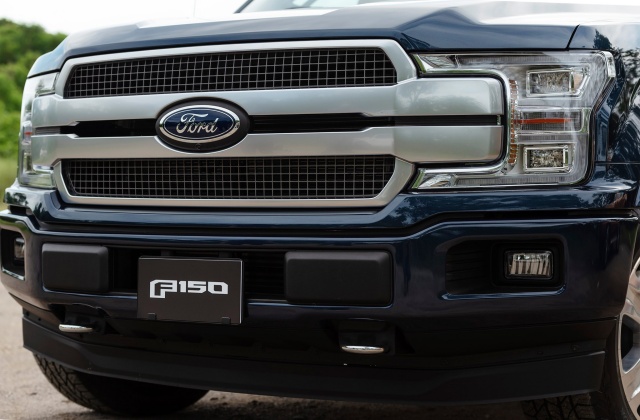
Ford was forced to order its factories in Germany to halt production for a month as they are also affected by the shortage of computer chips. The very low supply of this important component in cars has put even the major automakers under pressure since it is threatening their business.
Most of the companies have just started to pick up from the losses brought about by the COVID-19 pandemic. In the auto industry, companies have gotten back to work only to be met with another crisis.
Surely, the chip shortage hit at the most trying times, and this is forcing automakers to scale back production. In the worst situation, some of the companies have already shut down their business operations.
Ford’s announces closure of its German factory
CNN Business reported that Ford will temporarily close down its plant located in Saarlouis, Germany. From Jan. 18 to Feb. 19, the German Ford factory is effectively closed for business.
The carmaker cited the chip shortage and low demand as the reasons for their decision. This means that around 5,000 workers will be out of work for four weeks.
"We are closely monitoring the situation and adjusting production schedules to minimize the effect on our employees, suppliers, customers and dealers across Europe," the company’s spokesperson said. "At this time, we do not anticipate any similar actions at our other European facilities."
It was added that aside from the plant in Germany, Ford also ceased operations in its Louisville, Kentucky plant in the U.S. The factory mostly makes SUV models but it was forced to close last week due to the shortage of semiconductors.
At any rate, it was learned that aside from Ford, Nissan, Toyota, Volkswagen, Honda and Fiat Chrysler are also suffering from the computer chips shortage so they can’t make cars as needed. The average vehicle requires around 50 to 150 chips and the supply these days is apparently not enough.
The road to recovery is far off?
Computer chips are not just a requirement in cars but most tech companies also need them. Smartphones, computers, gaming systems and appliances all require these chips so the car industry has to compete with manufacturers that make these devices too.
This is why, it was predicted that rather than a recovery, there will be more disruptions and carmakers will suffer more. This means that vehicle manufacturing could get worse and factories may not be able to open any time soon and businesses will continue to decline.







