


 Cybersecurity Stocks Tumble After Anthropic's Claude Mythos AI Leak Sparks Market Fears
  Microsoft's $10 Billion Japan Investment: AI Infrastructure and Data Sovereignty Push
  Tesla Q1 2026 Deliveries Miss Estimates as AI Strategy Takes Center Stage
  RBC Capital: European Medtech Firms Show Minimal Middle East and Energy Risk Exposure
  Norma Group Posts Revenue Decline in 2025, Eyes Modest Recovery in 2026
  MATCH Act Targets ASML and Chinese Chipmakers in New U.S. Export Crackdown
  UAE's Largest Natural Gas Facility Suspended After Attack-Triggered Fire
  Nike Beats Q3 Estimates but China Weakness and Margin Pressure Weigh on Outlook
  Apple Turns 50: From Garage Startup to AI Crossroads
  Luxury Car Sales in the Middle East Take a Hit Amid Iran War
  SoftwareONE Posts 22.5% Revenue Surge in 2025 on Crayon Acquisition
  Cathay Pacific Holds Firm on Flight Capacity Amid Middle East Conflict and Rising Fuel Costs
  Eli Lilly and Insilico Medicine Forge $2.75 Billion AI-Driven Drug Discovery Deal
  KPMG UK Cuts 440 Audit Jobs Amid Low Attrition and Cooling Professional Services Demand
  TSMC Japan's Second Fab to Produce 3nm Chips by 2028
  CTOC Adds 3,000 Doctors, 500 Hospitals Ahead of Liquidity Push
  Fonterra Admits Anchor Butter "Grass-Fed" Label Misled Consumers After Greenpeace Lawsuit


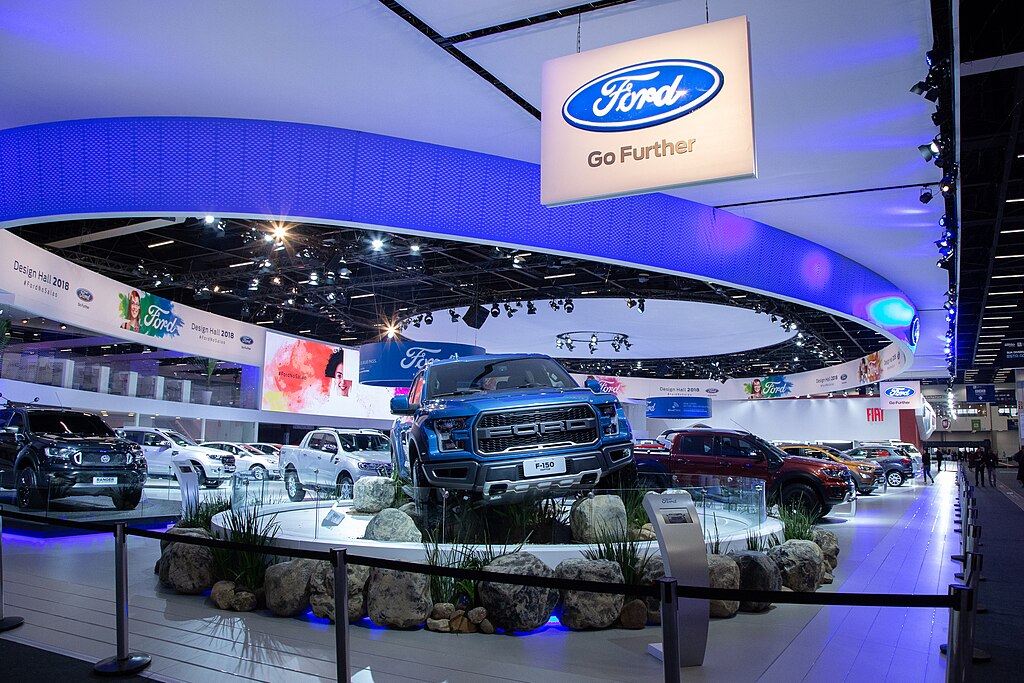
Ford Motor has paused shipments of several U.S.-built vehicles to China due to mounting pressure from retaliatory tariffs, some reaching up to 150%. The company confirmed it has "adjusted exports from the U.S. to China in light of the current tariffs," temporarily stopping exports of popular models like the F-150 Raptor, Mustang, Bronco SUV, and Lincoln Navigator.
This strategic move follows rising uncertainty surrounding President Donald Trump’s fluctuating tariff policies, which are expected to impact automakers' bottom lines significantly. An internal memo reviewed by Reuters indicated that if the tariffs persist, Ford may be forced to raise prices on new vehicles.
Despite halting assembled vehicle exports, Ford will continue exporting U.S.-built engines and transmissions to China. The Lincoln Nautilus, manufactured in China, will also continue its domestic distribution, sidestepping the steep import duties.
The Wall Street Journal first reported the shipment suspension, citing sources close to the matter. Ford is considered better positioned than rivals to absorb tariff shocks, as it manufactures around 80% of vehicles sold in the U.S. within the country.
However, industry analysts remain cautious. A recent report by the Center for Automotive Research estimates that Trump’s proposed 25% tariff on automotive imports could cost carmakers an additional $108 billion in 2025 alone.
While Trump recently hinted at potential exemptions for certain vehicles, no concrete policy shift has been confirmed. As U.S. automakers seek to navigate this volatile trade landscape, the impact on vehicle pricing, supply chains, and global competitiveness remains a critical concern.
This development underscores the broader challenges American car manufacturers face as global trade tensions continue to escalate, with Ford now adjusting its strategy to safeguard profitability and operational efficiency.







