


 European Stocks Slip as Iran Tensions Offset Strong Eurozone Data
  Russian Envoy Dmitriev Heads to US for Ukraine Talks
  How is Antarctica melting, exactly? Crucial details are beginning to come into focus
  Swimming in the sweet spot: how marine animals save energy on long journeys
  Wall Street Ends Flat as Oil, Treasury Yields and Fed Jitters Rattle Markets
  European Stocks Fall as Bond Yields and Geopolitical Risks Weigh
  We combed through old botanical surveys to track how plants on Australia’s islands are changing
  US Dollar Hits Two-Month High as Fed Rate Hike Bets Rise
  US 10-Year Treasury Yield at 6% Emerges as New Market Risk Threshold
  GesiaPlatform Launches Carbon-Neutral Lifestyle App ‘Net Zero Heroes’
  Australia Unemployment Hits Five-Year High Despite Strong Jobs Growth
  An unexpected anomaly was found in the Pacific Ocean – and it could be a global time marker
  Lake beds are rich environmental records — studying them reveals much about a place’s history
  How America courted increasingly destructive wildfires − and what that means for protecting homes today
  How ongoing deforestation is rooted in colonialism and its management practices


 Add as a preferred source on Google
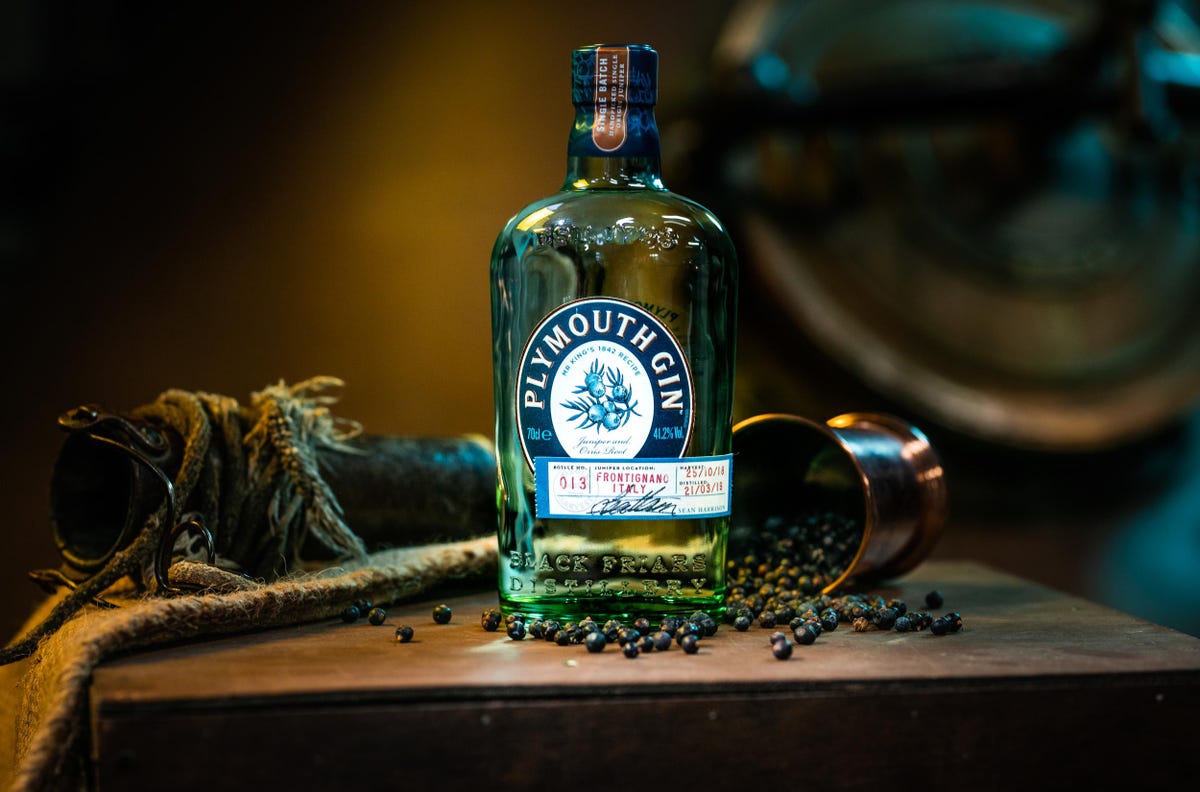
Plymouth Gin will now be stored in a new bottle that saves 60 tons of carbon dioxide emissions each year by eliminating all single-use plastic and reducing the overall weight by 15 percent.
The new bottle will roll out this month,
Pernod Ricard, which produces Plymouth Gin, said that they optimized “the most recognizable elements of the bottle’s current design,” including the shape.
The monk design at the bottom of the bottle that was previously applied by a plastic label is now embossed directly onto the glass. Meanwhile, the closure has been updated from PVC to recyclable PET.
The bottle now also uses paper labels.
According to Toni Ingram, global brand director for Plymouth Gin, the new bottle design is among the many new initiatives they will unveil this year in ensuring sustainability.
Ingram pointed out that their distillery is already using 100 percent renewable electricity and have been recycling their gin botanicals to turn waste into energy via an anaerobic digestion power plant.







