


 MediaTek Shares Jump 10% on Nvidia’s $3.5 Billion Investment
  Luxshare Shares Rise as First-Half Profit Jumps 18%
  Nvidia Revenue Soars 106% as AI Demand Hits ‘Inflection Point’
  Google Changes EU Spam Policy Amid Antitrust Scrutiny
  SpaceX Mobile Network Could Cost Up to $130 Billion, Bernstein Says
  Xiaomi Unveils Xring O3 Chip for Flagship Foldable Phone
  Salesforce Shares Surge as AI Demand Powers Q2 Earnings Beat
  Nvidia Pauses AI Cloud Financing Deals Amid Antitrust Concerns
  Unitree Shares Plunge 45% After Blockbuster IPO, Raising China Tech Bubble Fears
  SK Hynix Shares Fall as Workers Reject Wage Deal
  Meta Agrees to $18 Billion Settlement, Tightens Teen Social Media Rules
  U.S. Disrupts China-Linked Hacking Campaign Targeting Government Agencies
  HP Stock Drops 9% Despite Q3 Earnings Beat and Raised 2026 Outlook
  OpenAI Data Center Chief Chris Malone Exits Ahead of Planned 2027 Listing
  New Zealand Labour Backs Social Media Ban for Under-16s


 Add as a preferred source on Google
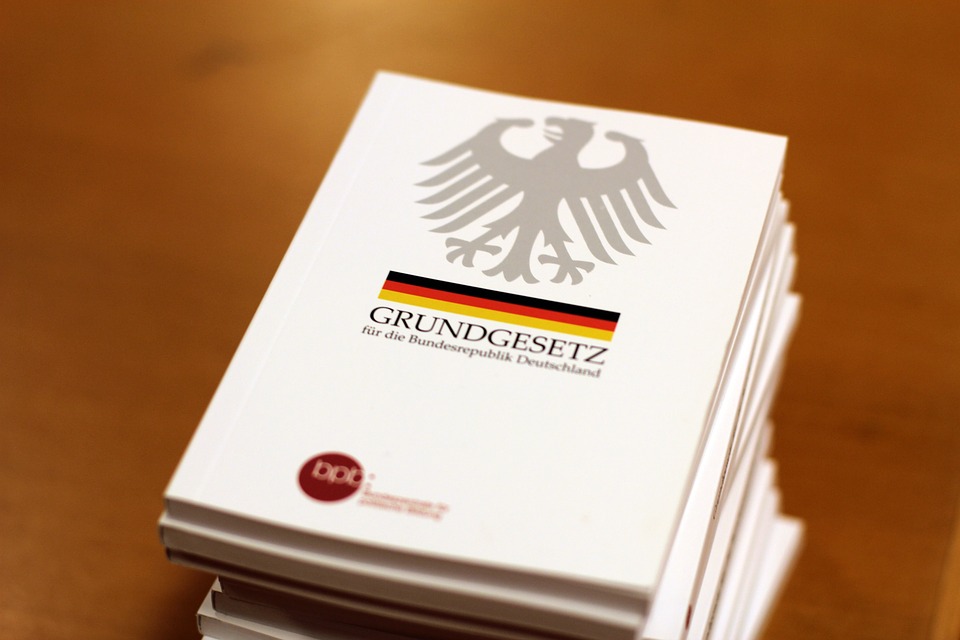
Putting up regulations has always catered to the individual rights of the population. But Felix Hufeld, president of Germany's Federal Financial Supervisory Authority (BaFin), said that his regulatory jurisdiction will not be centered on the protection of individual investors but the achievement of financial stability.
Hufeld argued that the agency can only do so much to act as a guardian for investors. At the end of the day, it will still be up to the people to look out for themselves as the agency addresses the systemic threats in this new market, he said, according to Cointelegraph.
"That's why we warned ICOs last November, pointing out the high price volatility of crypto-tokens. We will not be able to protect every single investor from his fate, and that cannot be the task of state supervision,” Hufeld argued. “Once again, the maxim is that we must act prudently or regularly if financial stability as a whole is threatened or if consumers are systematically harmed,” he continued.
The German government recently stated that the cryptocurrency market isn’t a threat to the financial sector’s balance, reasoning that the volume of transactions made in the nascent industry can’t rival the number in the global financial market. It did, however, call for regulatory measures.
As for Hufeld’s opinion regarding the market, he said that its true potential has yet to manifest and experts are still closely monitoring the situation. The BaFin president pointed out the false prediction of Bill Gates in ’91 when the Microsoft CEO branded the then-young internet as nothing more than a hype. And we all know how that speculation turned out.
When asked if he thinks the crypto industry is overvalued, Hufeld remained reticent, although he did give a rather positive outlook on the technology.
"The disruptive potential of this technology, however, goes beyond saving costs. Completely new business models could emerge that neither you nor I think of today. And every day, many people are working to find further uses for the blockchain and to use the technology over a large area”.
There’s also the fact that the German population, particularly the new generation, is gravitating towards the crypto market. This is despite the industry suffering a huge amount of losses at the start of the year, which makes creating a regulatory framework and disseminating information all the more vital.







