


 ANZ and Westpac Forecast Two RBA Rate Hikes in March and May 2026
  Bank of Japan Eyes April Rate Hike Despite Inflation Dip, ING Says
  ECB Eyes Rate Hike Amid Iran Conflict-Driven Energy Price Surge
  China Holds Benchmark Loan Prime Rate Steady for Tenth Consecutive Month
  Japan Eyes Oil Futures Intervention to Stabilize Yen Amid Middle East Crisis
  Middle East War Rattles Global Markets as Oil Tops $100 and Dollar Surges
  Bank of Japan Officials Signal Continued Interest Rate Hikes Amid Inflation Concerns
  Goldman Sachs Raises Oil Price Forecasts Amid Strait of Hormuz Disruptions
  Japan's Private Sector Growth Slows in March Amid Rising Costs and Middle East Uncertainty
  Australia-EU Free Trade Deal Signed After Years of Negotiations
  Federal Reserve Balance Sheet Reduction: Brookings Research Outlines Possible Path Forward
  Oil Prices Plunge Over 6% as Middle East Ceasefire Hopes Ease Supply Fears


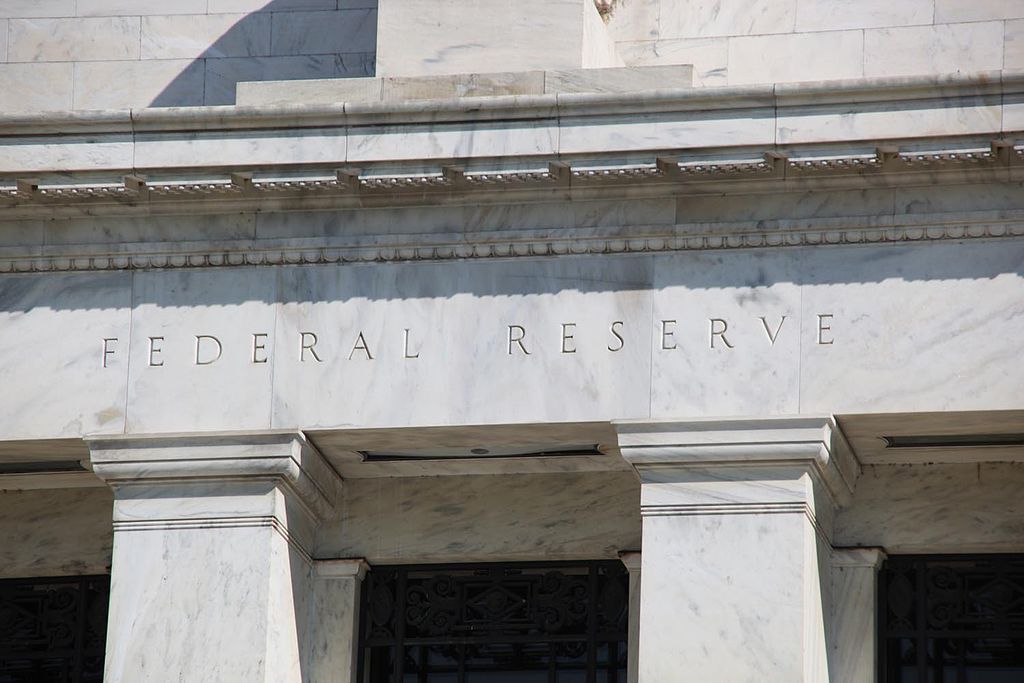
Dallas Federal Reserve President Lorie Logan has cautioned against aggressive interest rate cuts, warning that inflation remains too stubborn and economic demand too resilient to justify rapid monetary easing. Speaking at a Dallas Fed event on Tuesday, Logan emphasized that the U.S. central bank should move carefully before reducing rates further, even after supporting the Federal Open Market Committee’s (FOMC) September decision to cut rates for the first time in nine months. That move was intended to address risks of slowing job growth, but Logan stressed that additional reductions could undermine progress toward restoring price stability.
Logan noted that inflation is still not convincingly on track to return to the Fed’s 2% target, highlighting persistently high non-housing services inflation, which has held steady around 3.4% over the past year. According to her, the combination of resilient consumer demand, solid business investment, and only modest labor market slack suggests monetary policy is currently just modestly restrictive. Cutting rates too aggressively, she warned, could shift policy into an overly accommodative stance and entrench above-target inflation.
While acknowledging some cooling in the labor market, Logan argued that significant slack has not yet developed, with consumer spending remaining robust and business activity continuing at a steady pace. She also flagged trade tariffs as an added inflation risk, though she characterized their impact as likely a one-time upward price adjustment rather than a sustained driver of inflation.
Her remarks underscore the Fed’s balancing act between supporting employment and preventing inflation from remaining elevated. Logan’s comments suggest that while limited rate cuts may be possible, the central bank is unlikely to pursue a fast or aggressive easing path until inflation shows clearer signs of moving sustainably back toward its 2% goal.













