


 ECB May Stop Rate Hikes After December, Capital Economics Says
  U.S. Stock Futures Fall as Iran, Oil and AI Risks Rattle Markets
  Solana Price Eyes $150 as ETF Inflows Extend 11-Week Streak
  Gold Rebounds as Oil Falls and Treasury Rout Eases
  US Dollar Hits Two-Month High as Aussie, Pound Slide
  US Alcohol Ban Exposes Canada’s Internal Trade Barriers
  IRS Warns Crypto ETFs Over Tax Loophole Risks
  UK Housebuilder Stocks Surge on New First-Time Buyer Loan Scheme
  BlackRock’s Rick Rieder Favors Bonds Over Stocks as Treasury Yields Surge
  China Industrial Profit Growth Slows as Weak Demand Offsets AI Gains
  Robinhood Chain Meme Coins Slide as Stock Token Locks Rise
  Morgan Stanley Launches Digital Asset Lab for Stablecoins and Tokenization
  Bitcoin Futures Open Interest Plunges 49,000 BTC in Biggest Drop Since 2025
  Fed’s Williams Signals One More Rate Hike Before Year-End
  Global Central Banks Brace for More Rate Hikes as Inflation Risks Rise


 Add as a preferred source on Google
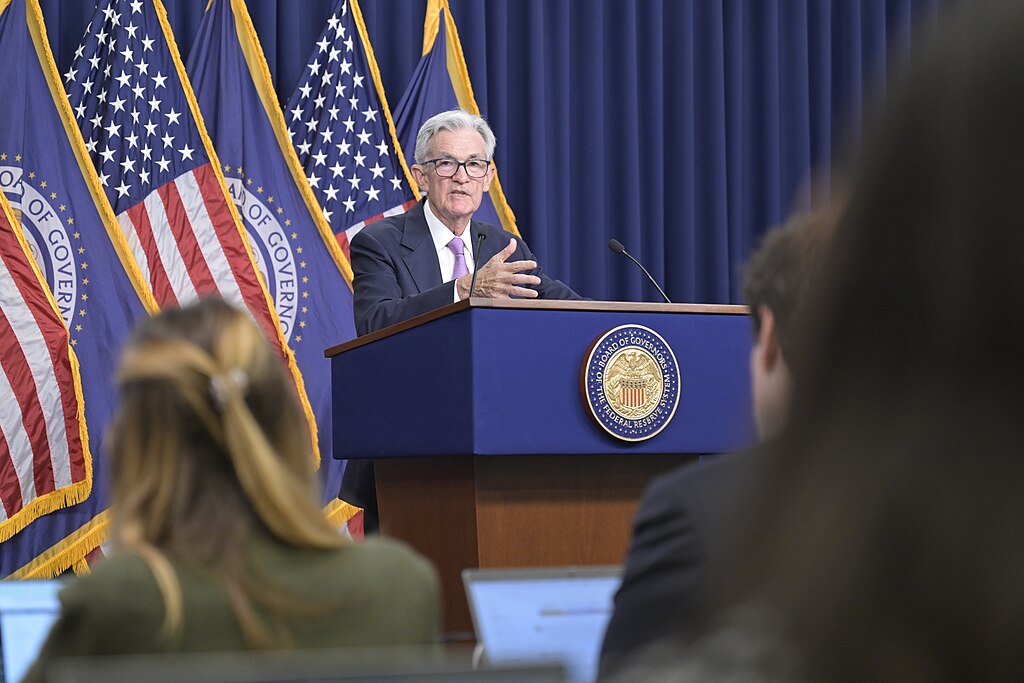
The Federal Reserve’s latest policy signals suggest that interest rates are now close to neutral, raising the bar for additional rate cuts in 2025 and beyond. This shift implies restraint rather than rescue from the central bank, pushing investors to rely more on fixed income performance unless a clear recession emerges.
At its December meeting, the Fed delivered a 25 basis point rate cut, the third cut of the year, bringing rates to a level policymakers believe neither stimulates nor restricts economic growth. Fed Chair Jerome Powell emphasized that policy now sits within a broad range of neutral estimates, adding that the central bank is “well positioned to wait and see how the economy evolves.” This language underscores a more cautious, data-dependent approach to future monetary policy decisions.
Historically, periods when rates hover near neutral demand a unified Federal Open Market Committee, as policy mistakes can have outsized consequences. Cutting too aggressively could reignite inflation, especially as many anticipate more expansionary fiscal policy under President Donald Trump. However, the latest meeting highlighted divisions within the Fed, raising doubts about policymakers’ confidence in their own outlook. While the Fed’s Summary of Economic Projections points to steady growth above 2%, a resilient labor market, and gradually easing inflation, some market participants remain skeptical about how smooth that path will be.
Markets and policymakers also diverge on expectations for future rate cuts. Investors are pricing in up to two cuts next year, while Fed officials continue to signal just one, if any. The broader message, according to investment professionals, is that investors should not expect significant additional easing without a recession or a sharper slowdown in employment and inflation.
With equity valuations stretched, particularly in AI-related stocks, fixed income is increasingly positioned to play a larger role in portfolios. Bonds may provide stability and income as the Fed pauses near neutral, though selectivity remains crucial as credit markets still appear aggressively priced. A final risk lingers: if growth accelerates and inflation rises, the Fed could be forced to pivot back toward tightening, a scenario that could catch markets off guard.







