


 Asian Stocks Fall as Bond Yields and Oil Prices Surge
  Asian Currencies Weaken as Dollar, Oil Prices Rise
  BlackRock’s Rick Rieder Favors Bonds Over Stocks as Treasury Yields Surge
  Fed’s Williams Signals One More Rate Hike Before Year-End
  U.S. Stock Futures Fall as Iran, Oil and AI Risks Rattle Markets
  Australia Budget Deficit Narrows to A$22.3 Billion on Stronger Tax Revenue
  Gold Plunges 4% as Treasury Yields Surge and Fed Rate Hike Bets Rise
  China Cuts Tariffs on U.S. Farm Goods but Excludes Soybeans
  Fed Unveils Stablecoin Rules Under GENIUS Act
  Japanese Yen Retreats as Dollar Rises Ahead of Fed, BOJ Rate Decisions
  ECB May Stop Rate Hikes After December, Capital Economics Says
  BOJ Set to Raise Rates to 1.25% as Inflation Risks Build
  RBA Set for September Rate Hike as Inflation Stays High
  Yen Sinks as BOJ Rate Hike Fails to Impress Markets


 Add as a preferred source on Google
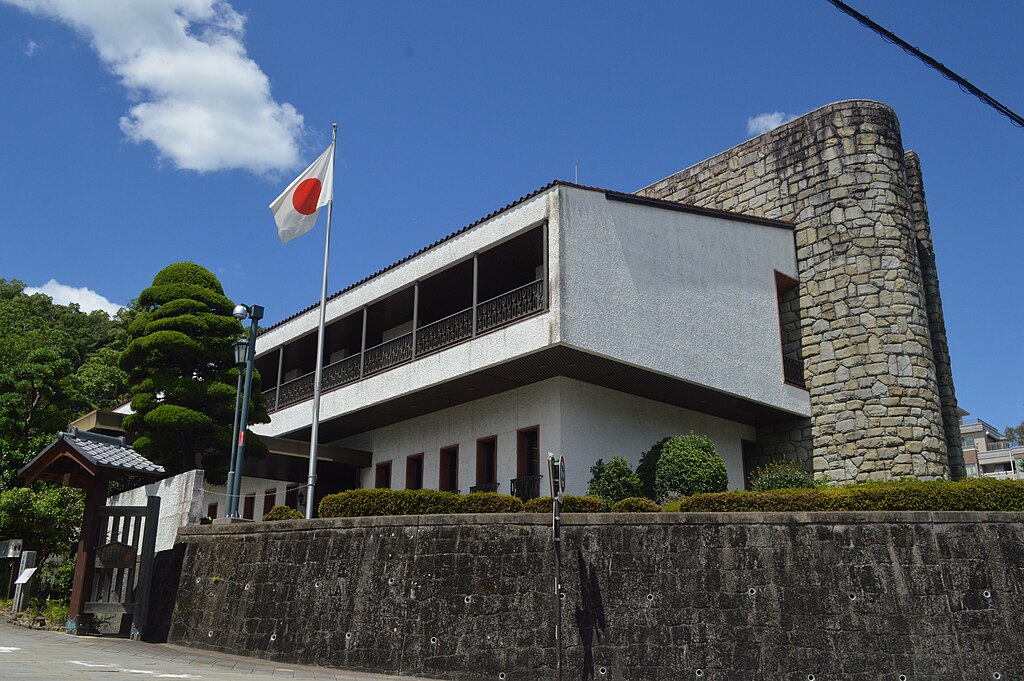
The Bank of Japan (BOJ) could raise interest rates as early as March if the Japanese yen resumes its decline ahead of a highly anticipated U.S.-Japan summit, according to former BOJ board member Makoto Sakurai. The next BOJ policy meeting is scheduled for March 18-19, around the same time Prime Minister Sanae Takaichi is expected to visit Washington to meet U.S. President Donald Trump.
Sakurai noted that Washington’s recent rate checks to support the yen suggest the United States prefers a stronger Japanese currency. However, he emphasized that currency intervention offers only short-term relief. In his view, the most effective way to counter persistent yen weakness is for the BOJ to raise interest rates. A weaker yen increases import costs, fuels inflation, and undermines the impact of government fuel subsidies, putting added pressure on households and retailers.
If the yen experiences another sharp drop, the central bank could justify a March rate hike by highlighting expectations of solid wage growth from Japan’s annual spring labor negotiations. Although April may be a more typical window for policy adjustments, Sakurai said market conditions could prompt earlier action.
Currently, the BOJ’s policy rate stands at 0.75%, its highest level in 30 years after multiple hikes in 2024. With inflation exceeding the central bank’s 2% target for nearly four years, Governor Kazuo Ueda has signaled readiness to tighten monetary policy further if economic projections hold. Economists surveyed by Reuters expect rates to reach 1% by the end of June, and markets are pricing in a strong chance of a hike by April.
Looking longer term, Sakurai believes the BOJ may need gradual rate increases through 2026 and 2027 to reach a neutral rate near 1.75%. However, aggressive tightening could strain Japan’s banking system and smaller firms. Since Takaichi took office in October, the yen has weakened sharply, intensifying political and economic concerns.







