


 Rubio Warns Cuba to Change Course as US Pressure Mounts
  Trump Denies Offering Iran Sanctions Relief for Nuclear Concessions
  China Cuts Tariffs on U.S. Farm Goods but Excludes Soybeans
  XRP Price Targets $1.70 as Bullish Momentum Builds
  Oil Prices Rise as Iran Holds Firm on Strait of Hormuz Deal
  BOJ Set for Rate Hike as Inflation and Yen Pressure Mount
  Senate Democrats Say Tether USDT Helps Iran Evade Sanctions
  Gold Holds Near Seven-Week Low as Fed Rate Hike Bets Rise
  RBA Set for September Rate Hike as Inflation Stays High
  RBA Hikes Interest Rate to 4.60% as Inflation Risks Rise
  US Plans Iran Sanctions Waiver for Pilgrim Flights to Iraq


 Add as a preferred source on Google
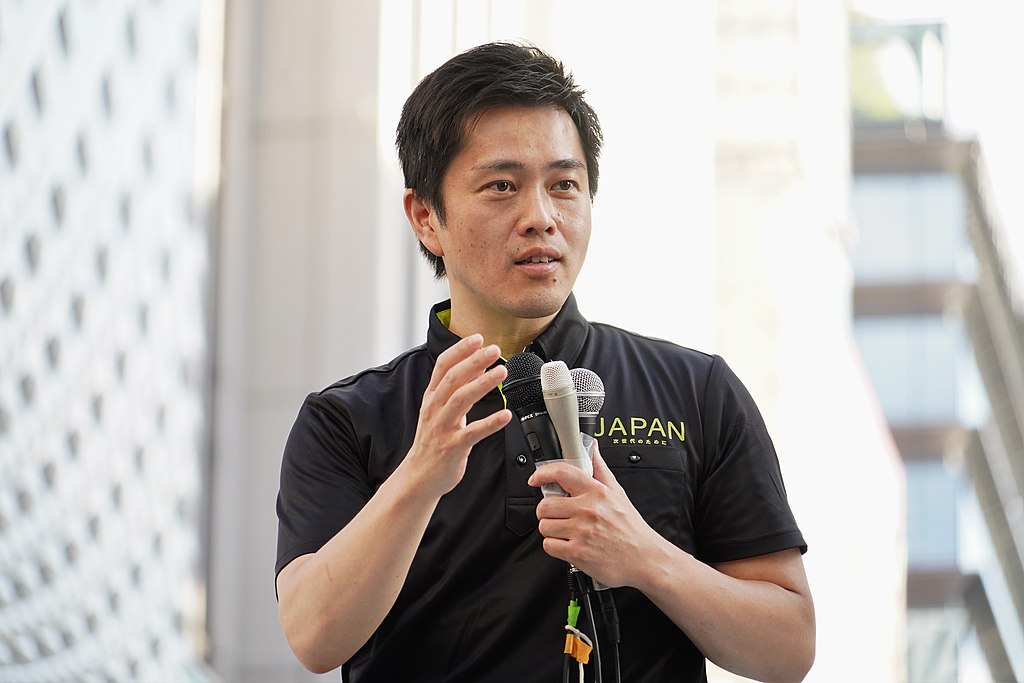
Japan’s ruling coalition is signaling a clear stance on monetary policy independence while advancing plans for fiscal stimulus to strengthen the economy. Hirofumi Yoshimura, leader of the Japan Innovation Party (Ishin) and junior partner in Prime Minister Sanae Takaichi’s coalition government, said the Bank of Japan (BOJ) must remain free from political interference as markets anticipate further interest rate hikes.
In a recent interview, Yoshimura stressed that decisions on Japan interest rates should be left to the BOJ, not politicians. He noted that while a potential rate hike could increase mortgage rates and cause short-term pain, the central bank must act based on market conditions. With the yen’s recent weakness, a rate increase remains possible. The Japanese government, he said, should instead focus on economic policies that help the country absorb the impact of tighter monetary policy.
Japan’s weak yen has become a major market concern, influencing inflation and raising import costs. Although a softer currency benefits exporters, it pressures households facing higher living expenses. The dollar recently traded at 152.66 yen after posting its biggest weekly gain since November 2024, intensifying speculation that the BOJ could raise rates again by April.
Alongside monetary policy discussions, the government is pushing forward a proposed two-year suspension of the 8% sales tax on food, currently lower than the 10% consumption tax applied to other goods. Takaichi has pledged to implement the measure during fiscal 2026 to ease the burden of rising living costs. Yoshimura emphasized the need to introduce the tax relief as early as possible.
To offset revenue losses without issuing new debt, officials are considering non-tax revenue sources, including potential use of Japan’s $1.4 trillion foreign exchange reserves. The move reflects the coalition’s broader strategy to balance fiscal stimulus with financial stability, while allowing the BOJ to independently manage interest rate policy amid ongoing currency market volatility.







