


 Asian Markets Retreat as Oil Prices Surge Toward $100 Amid Middle East Tensions
  Dollar Steadies as Traders Await Clarity on U.S.-Israel-Iran War
  Iran-Israel War Sparks Global Oil Crisis as Tankers Burn in Gulf Waters
  RBA Rate Decision: Deputy Governor Signals Genuine Debate Ahead of March Meeting
  Asia FX Steady as Iran War Signals and U.S. Inflation Data Weigh on Sentiment
  China's Trade Surplus Surges Past Forecasts in Early 2026
  Dollar Stabilizes Amid Iran War Uncertainty as Oil Prices Remain Elevated
  Asian Stock Markets Rise as Oil Prices Pull Back; U.S. CPI in Focus
  Bank of Japan Expected to Hold Rates at 0.75% Before June Hike Amid Middle East War Uncertainty
  Gold Prices Slip as U.S.-Israel-Iran War Fuels Dollar and Oil Demand
  Trump Administration Launches Trade Investigations Against 16 Countries Over Industrial Overcapacity
  U.S.-Israel War on Iran Sends Crude Oil Prices Surging Amid Strait of Hormuz Tensions
  Iran-U.S. Oil Tensions Escalate as Revolutionary Guards Threaten Strait of Hormuz Blockade
  Asian Currencies Face Pressure as U.S.-Iran Conflict Weighs on Markets
  German Exports Drop 2.3% in January, Exceeding Forecast Decline
  UK Housing Market Slows Amid Geopolitical Tensions and Mortgage Rate Fears


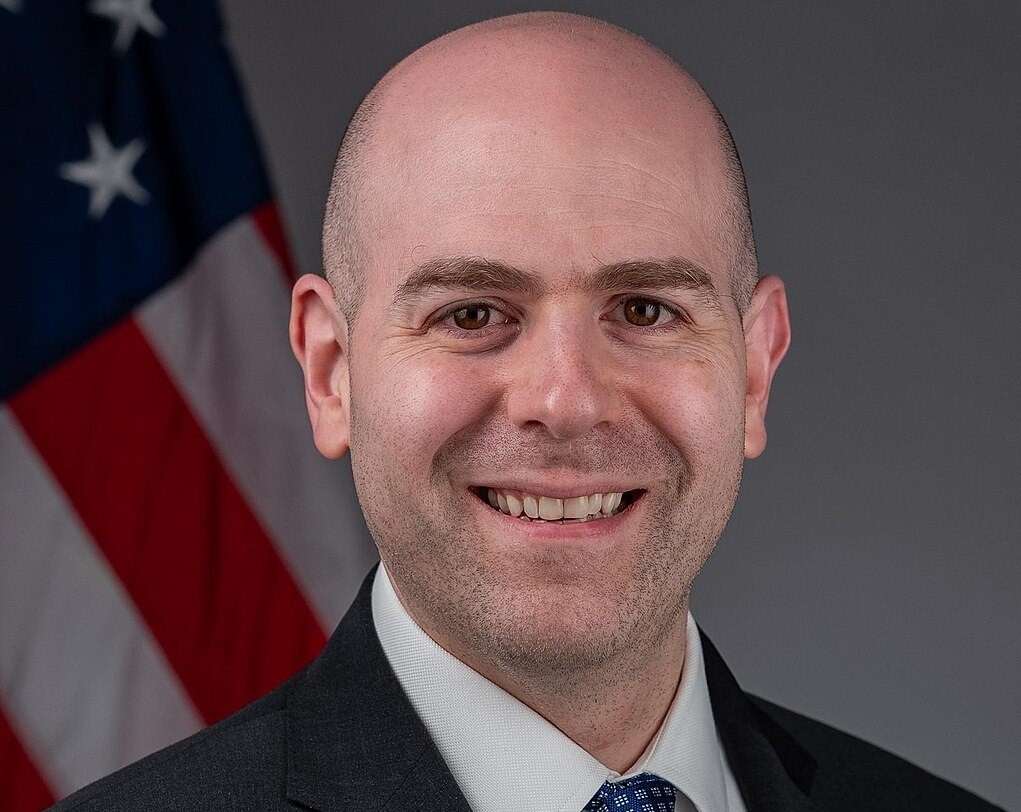
Federal Reserve Governor Stephen Miran cautioned that the central bank’s current monetary policy stance could pose a significant risk to U.S. economic growth. Speaking at a Dallas Fed event on Thursday, Miran argued that interest rates remain too restrictive and called for additional rate cuts to support the labor market and broader economy.
According to Miran, the biggest threat facing the U.S. economy is a misunderstanding of how tight monetary policy currently is. He emphasized that inflation concerns may be overstated, noting that subdued shelter inflation can offset price pressures in other areas of the consumer price index. In his view, the Federal Reserve has room to ease interest rates further without triggering renewed inflation.
Miran, a former White House economic advisor before joining the Federal Reserve, has consistently advocated for looser monetary policy. He previously supported larger rate reductions than those implemented during last year’s policy meetings. In January, he dissented when the Federal Open Market Committee voted 10-2 to maintain the benchmark interest rate in the 3.50%–3.75% range.
Highlighting supply-side expansion and stable demand conditions, Miran argued that the economy can continue growing without generating excessive inflation. He believes additional interest rate cuts would help underwrite labor market strength, especially as pro-growth measures such as tax cuts introduced under the Trump administration provide economic support.
However, Dallas Fed President Lorie Logan, who hosted the event, takes a more cautious stance. Logan has expressed concern that inflation remains stubbornly high and maintains that current Fed policy is not significantly restraining economic activity. While she did not outline her latest economic outlook at the event, she has previously opposed further rate cuts.
The debate underscores ongoing divisions within the Federal Reserve over inflation risks, economic growth prospects, and the appropriate path for U.S. interest rates in the months ahead.













