


 U.S. to Begin Paying UN Dues as Financial Crisis Spurs Push for Reforms
  Netanyahu to Meet Trump in Washington as Iran Nuclear Talks Intensify
  TrumpRx.gov Highlights GLP-1 Drug Discounts but Offers Limited Savings for Most Americans
  Bosnian Serb Presidential Rerun Confirms Victory for Dodik Ally Amid Allegations of Irregularities
  Trump’s Inflation Claims Clash With Voters’ Cost-of-Living Reality
  Antonio José Seguro Poised for Landslide Win in Portugal Presidential Runoff
  China Warns US Arms Sales to Taiwan Could Disrupt Trump’s Planned Visit
  Federal Judge Restores Funding for Gateway Rail Tunnel Project
  Sydney Braces for Pro-Palestine Protests During Israeli President Isaac Herzog’s Visit
  Trump Allows Commercial Fishing in Protected New England Waters
  Trump Congratulates Japan’s First Female Prime Minister Sanae Takaichi After Historic Election Victory
  Trump Administration Appeals Court Order to Release Hudson Tunnel Project Funding
  Nicaragua Ends Visa-Free Entry for Cubans, Disrupting Key Migration Route to the U.S.
  Israel Approves West Bank Measures Expanding Settler Land Access
  Japan Election 2026: Sanae Takaichi Poised for Landslide Win Despite Record Snowfall
  Trump Backs Nexstar–Tegna Merger Amid Shifting U.S. Media Landscape
  Ohio Man Indicted for Alleged Threat Against Vice President JD Vance, Faces Additional Federal Charges


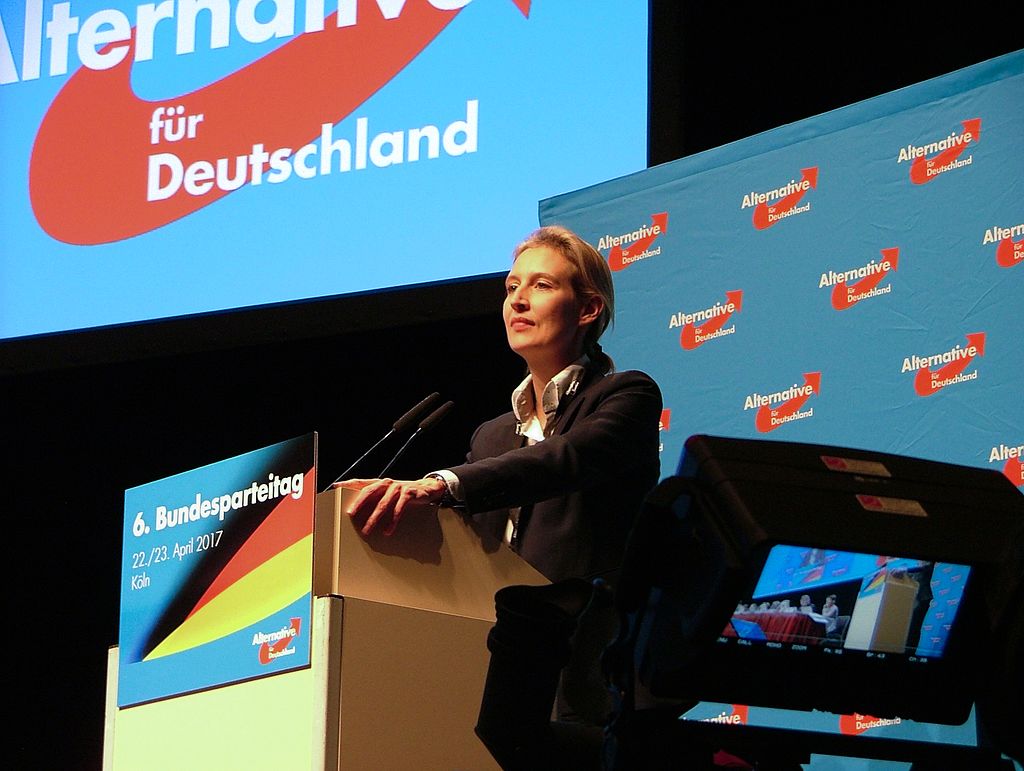
For the first time since WWII, Germany’s far-right Alternative for Germany (AfD) has secured second place in a national election, winning support from one in five voters. While other parties continue to block its path to power, AfD leader Alice Weidel insists their government participation is inevitable.
Founded in 2013 as a libertarian movement, AfD has evolved into an anti-immigration, pro-Russia party. Despite being under government surveillance for its extremist ties, the party’s influence is growing. It has made significant gains among younger voters, with 22% of those aged 25 to 34 supporting AfD, compared to just 10% of seniors over 70.
AfD’s controversial figures include Bjoern Hoecke, convicted twice for using Nazi-era slogans, and Alexander Gauland, who downplayed the Holocaust’s impact on German history. Their agenda includes dismantling the EU, restricting immigration, and halting support for Ukraine.
Despite its rising popularity, AfD remains politically isolated. Even other European far-right parties, like France’s National Rally, refuse to align with them. Additionally, some AfD lawmakers face allegations of ties to Russian and Chinese interests. However, leaders like Hungary’s Viktor Orban and Italy’s Matteo Salvini have voiced support for Weidel.
AfD’s rise reflects widespread economic discontent and shifting political sentiments. While mainstream parties scramble to contain its influence, Weidel remains defiant, warning that if they are kept from power, “next time, we’ll come first.”













