


 Toyota First-Half Global Sales and Production Decline on Weak China Demand, RAV4 Transition
  Unilever Raises 2026 Sales Outlook After Strong Q2 Volume Growth
  Exosens H1 Profit Beats Forecasts as Defense Demand Drives Growth
  Starbucks Stock Jumps as Q3 Earnings Beat, Sales Growth Drives Higher 2026 Outlook
  Robinhood Q2 Earnings Beat Estimates, But HOOD Stock Falls as Investors Question Profit Quality
  Qualcomm Stock Falls as Weak Q4 Forecast, Apple Revenue Decline Overshadow AI Data Center Growth
  Russia Charges Telegram Founder Pavel Durov With Facilitating Terrorism, Seeks International Arrest
  Rio Tinto Stock Jumps as Strong Earnings, Higher Dividend and AI Metal Demand Boost Outlook
  OpenAI Revenue Surges After GPT-5.6 Launch as IPO Expectations Grow
  Same sparkle, different story: how lab-grown diamonds are transforming the market
  SK Hynix Q2 Profit Hits Record as AI Memory Chip Demand Fuels Growth
  Microsoft Stock Jumps as Azure Growth, AI Revenue Beat Expectations
  Seagate Stock Jumps as AI-Fueled Earnings Beat and Strong FY2027 Outlook Impress Investors
  Arm Holdings Q1 Earnings Beat Estimates, Strong Q2 Outlook Fails to Lift ARM Stock
  TSMC Gradually Restarts Japan Chip Plant After Kumamoto Earthquake
  Chipotle Q2 Earnings Beat Expectations as Sales Growth Drives Higher 2026 Outlook
  Sony Eyes $1.3 Billion Tamron Acquisition as Lens Maker Reviews Offer


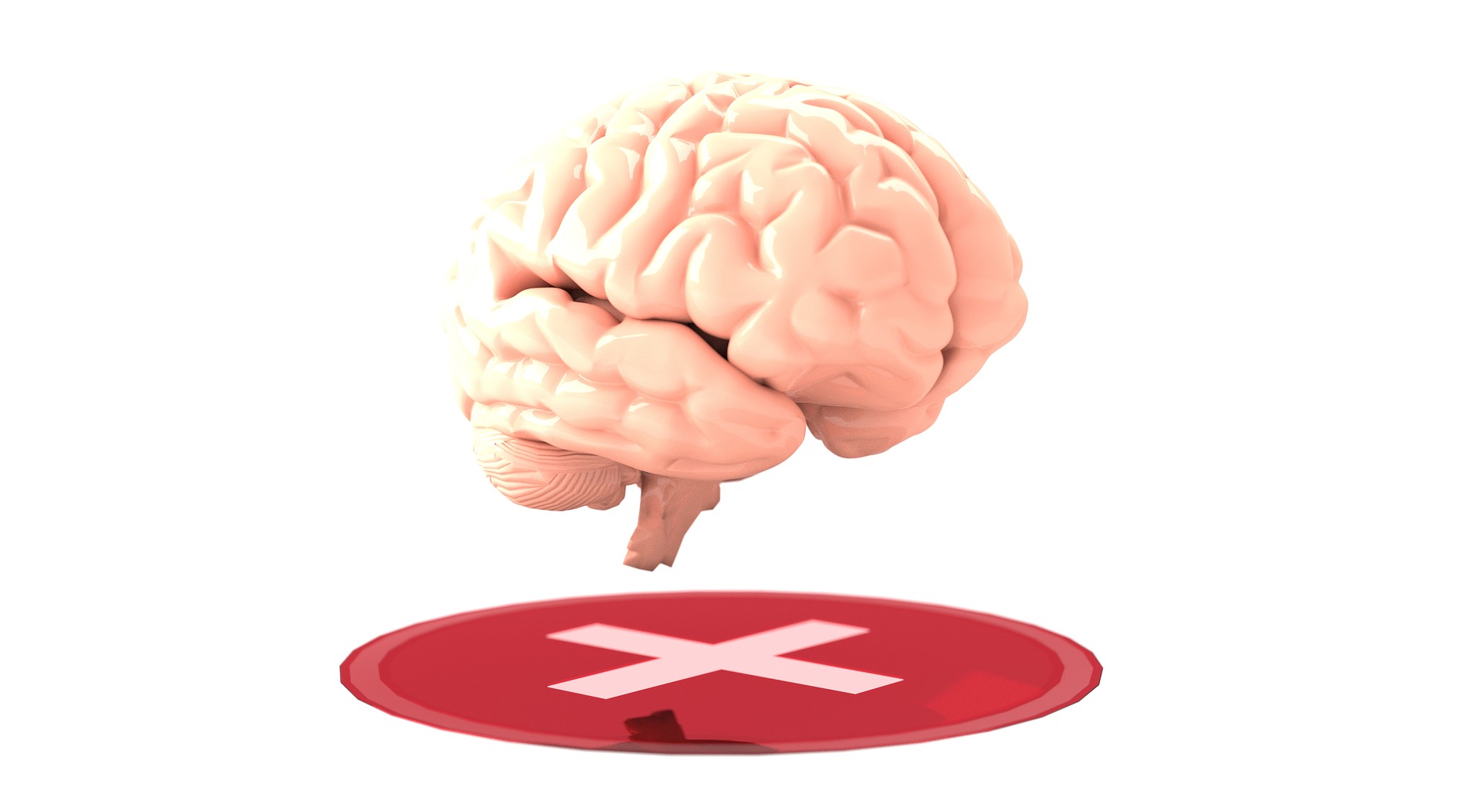
Mental illness and related disorders are an epidemic that cannot seem to go away. There has been an increase in the number of people suffering from this condition. Approximately, 1 in 4 adults is diagnosed with some form of mental disorder every year.
Mental disorder is no respecter of person, age or gender; it can affect anyone. However, some people are more prone to illness. This is due to factors such as gender, age, disability or substance abuse among other factors.
For the past year, I have been attending various mental illness seminars organized by mental health speakers, some of whom have had some form of mental disorder. One thing I learned is mental illness can develop at different stages in a person’s life. Some children will be diagnosed with Attention Deficit Hyperactivity Disorder (ADHD) as soon as they reach school-going age, while Schizophrenia can affect adults in their late twenties.
Without further ado, let us look at factors that can contribute to mental illness.
1. Genetics
Almost all of us have seen those families that have more than one person suffering from mental disorders. Psychiatric experts believe that, in such a case, abnormalities in their genes is what causes them to be susceptible to the illness.
However, it is not to say that a person from a family with a history of mental illness will catch the illness. They are only prone to it. Additionally, mental disorders will occur in the case of multiple gene interactions coupled up with factors such as drug abuse and stress. This is what will trigger the condition on an individual who is prone to it.
2. Infections
Research has shown that certain infections can trigger mental illnesses. For example, a condition in children known as pediatric autoimmune neuropsychiatric disorder, without proper medication, will leave them susceptible to mental conditions such as obsessive-compulsive disorder.
3. Brain defects or injury
Brain defects during fetal formation in the womb can be a cause for mental illness. Prolonged and strained childbirth or instances where the child’s brain lacks oxygen for a few minutes, is another cause of mental issues such as autism spectrum disorder.
Additionally, brain injuries sustained from accidents and hard falls is another factor.
4. Substance abuse
In many cases where substance abuse and mental illness are linked together, it is hard to know which came first; whether mental illnesses such as anxiety, depression, and paranoia are what caused the patient to abuse drugs or it’s the other way round.
5. Psychological factors
Various psychological factors may trigger mental illnesses. For instance, when a child suffers neglect as well as emotional, physical and sexual abuse, when one suffers an importance loss such as the death of a parent early in life or when one is unable to relate well with others, the chances of suffering from mental disorders skyrockets.
6. Social and environmental factors
Other things that may cause mental conditions may include their living conditions when they were brought up.
Living in poverty-stricken areas, isolation, joblessness and stressful work environments can put a lot of strain on a person’s mental well-being.
This article does not necessarily reflect the opinions of the editors or management of EconoTimes.







