


 OpenAI Executive Brad Lightcap to Leave for New AI Venture
  California ICE Detention Center Found to Have Inadequate Medical Care, Court Monitor Says
  SEC Clears Path for Data Center Securitizations as AI Financing Demand Surges
  New Mexico Sues DOJ Over Unredacted Jeffrey Epstein Files Amid Ongoing Investigation
  U.S. Unseals Charges Against Five Alleged CJNG Leaders, Raises Reward for New Cartel Chief
  Myanmar Rejects ASEAN Special Envoy, Challenges Regional Peace Plan
  Houthi Attack on Yemen’s Mocha Port Kills Seven, Injures 30
  Meta Ordered to Pay $567M Over Child Safety Violations in New Mexico
  Taiwan Slams ‘Dangerous’ China-Indonesia Naval Drill Near Island
  US Supreme Court Lets $655.5 Million Judgment Against Palestinian Authorities Stand During Appeal
  Lebanon Lawyers Seek Probe Into Banker Over Alleged Netanyahu Dinner in Washington
  FCC Steps Up China Tech Crackdown as Beijing Pushes Back
  Judge Blocks Trump Mail Voting Order Ahead of 2026 Midterms
  Darline Graham Advances to South Carolina Senate Runoff
  Trump Reveals Secret Plane Switch Amid Iran Assassination Threat


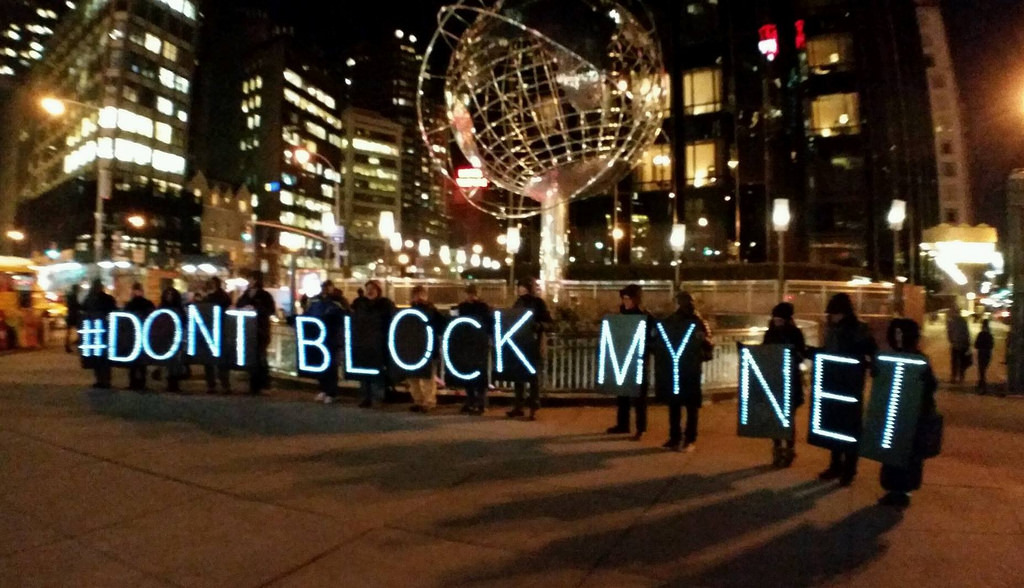
Facebook is at it again. Using its political contacts in Washington, the social media giant is trying to skirt the rules of Net Neutrality by trying to provide Free Basic internet connection. This is another step by Facebook to monopolize the world’s internet, which failed when it tried to do it in India. Will they succeed in America?
According to The Washington Post, Facebook has been in talks with U.S. politicians for months to allow them to essentially violate Net Neutrality without incurring the consequences of doing so. The information came from sources that are familiar with the matter.
Right now, the Federal Communications Commission is already looking into anything that can be considered in violation of Net Neutrality. Some major examples include “Zero Rating” programs that are already being offered by companies like T-Mobile. Facebook’s Free Basic internet connection falls under this category, which is why the social network is tiptoeing around regulators to avoid their ire.
Facebook had already tried applying this same method in India several months ago, but the country’s leaders banded together to rebuff the service. If the social media giant succeeds in implementing its Free Basics program in the U.S., it would mark a major win for Mark Zuckerberg’s company and a huge defeat for Net Neutrality.
As Gizmodo notes, offers that are “Zero Rating” are dangerous for keeping the internet a free place for everyone because it locks out lesser competitors. Facebook’s version is particularly troubling because it would allow the social network to monopolize the internet as it sees fit.
It could give users only the version of the internet that would suit its bottom line, only allowing sites and corporations that would bow to its whim to be seen by users. There’s no guarantee that Facebook would actually do any of these things, but as Professor Susan Crawford at Harvard Law says, the world can’t afford to take this chance.







