


 Bashar al-Assad Sentenced to Death by Syrian Court
  Sun Pharma Wins U.S. Appeal in Pfizer Lipitor Antitrust Case
  SoftBank Plans Record $6.3 Billion Bond Sale to Fund OpenAI Investments
  DOJ Subpoenas New York Times Freelancer Over North Korea Military Report
  Alibaba Raises $10.2 Billion to Expand AI Infrastructure
  U.S. Unseals Charges Against Five Alleged CJNG Leaders, Raises Reward for New Cartel Chief
  U.S. Disrupts China-Linked Hacking Campaign Targeting Government Agencies
  Google Changes EU Spam Policy Amid Antitrust Scrutiny
  Countries Tighten Social Media Bans for Children
  SK Hynix Shares Fall as Workers Reject Wage Deal
  Judge Blocks Trump Mail Voting Order Ahead of 2026 Midterms
  Samsung Shares Tumble 8% as $79 Billion Return Plan Disappoints
  Xiaomi Unveils Xring O3 Chip for Flagship Foldable Phone
  Warner Bros. Discovery Shares Rise as Newsom Pushes Settlement in $110 Billion Merger Fight
  New Zealand Moves to Ban Social Media for Children Under 16
  29 US states are suing Meta. What might it mean for the rest of the world?


 Add as a preferred source on Google
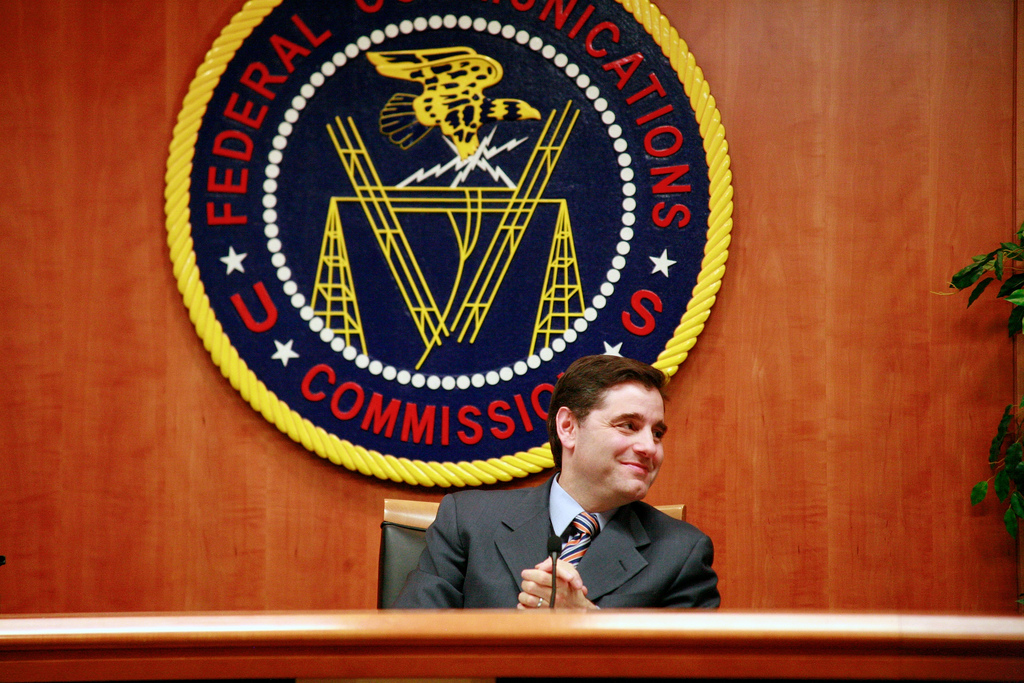
Recently, news came out that AT&T was spying on its users and selling that information to government agencies in exchange for millions of dollars from taxpayer money. In response, the Federal Communications Commission issued new regulations to make sure that other companies don’t follow suit.
The FCC regulation was passed in historic fashion, granting users much more power over their own information that carriers collect, The Washington Post reports. The new rules place some new limitations on how ISPs collect user data while also allowing said users to forbid companies from sharing any of the information that they do manage to collect.
Now, the matter of collecting user data to sell for profit has been a hot button issue among ISPs, regulators, and privacy groups for years. Companies are increasingly reliant on the revenue generated from selling user information to advertising firms, which many digital right groups oppose.
The AT&T case signifies a new low for these carriers, however, by making a profit off of user data without customers ever knowing that it was even happening. In order to prevent other ISPs from crossing the same line, the new regulations are simply essential for internet users.
The vote was carried out 3-2, USA Today reports, with FCC Chairman Tom Wheeler leading the charge. Wheeler also considers the new regulations they just passed as “common sense laws,” which update the books to suit modern needs. Until this regulation was passed, users had very little power over their own information. They could just trust carriers like AT&T not to use their information exactly the way it just did.
As for the two commissioners who voted against the measure, Ajit Pai and Michael O'Rielly, their reasoning fell along the lines of missed opportunities for consumers. According to them, users might not get access to great offers because they wouldn’t allow anyone to tamper with their private information.







