


 TrumpRx.gov Highlights GLP-1 Drug Discounts but Offers Limited Savings for Most Americans
  Trump Backs Nexstar–Tegna Merger Amid Shifting U.S. Media Landscape
  Trump Endorses Japan’s Sanae Takaichi Ahead of Crucial Election Amid Market and China Tensions
  Trump Says “Very Good Talks” Underway on Russia-Ukraine War as Peace Efforts Continue
  Iran–U.S. Nuclear Talks in Oman Face Major Hurdles Amid Rising Regional Tensions
  U.S. Announces Additional $6 Million in Humanitarian Aid to Cuba Amid Oil Sanctions and Fuel Shortages
  Pentagon Ends Military Education Programs With Harvard University
  U.S. to Begin Paying UN Dues as Financial Crisis Spurs Push for Reforms
  India–U.S. Interim Trade Pact Cuts Auto Tariffs but Leaves Tesla Out
  China Warns US Arms Sales to Taiwan Could Disrupt Trump’s Planned Visit
  Trump Signs Executive Order Threatening 25% Tariffs on Countries Trading With Iran
  South Korea Assures U.S. on Trade Deal Commitments Amid Tariff Concerns
  Jack Lang Resigns as Head of Arab World Institute Amid Epstein Controversy
  Japan Election 2026: Sanae Takaichi Poised for Landslide Win Despite Record Snowfall
  U.S.-India Trade Framework Signals Major Shift in Tariffs, Energy, and Supply Chains
  Trump Lifts 25% Tariff on Indian Goods in Strategic U.S.–India Trade and Energy Deal
  Ohio Man Indicted for Alleged Threat Against Vice President JD Vance, Faces Additional Federal Charges


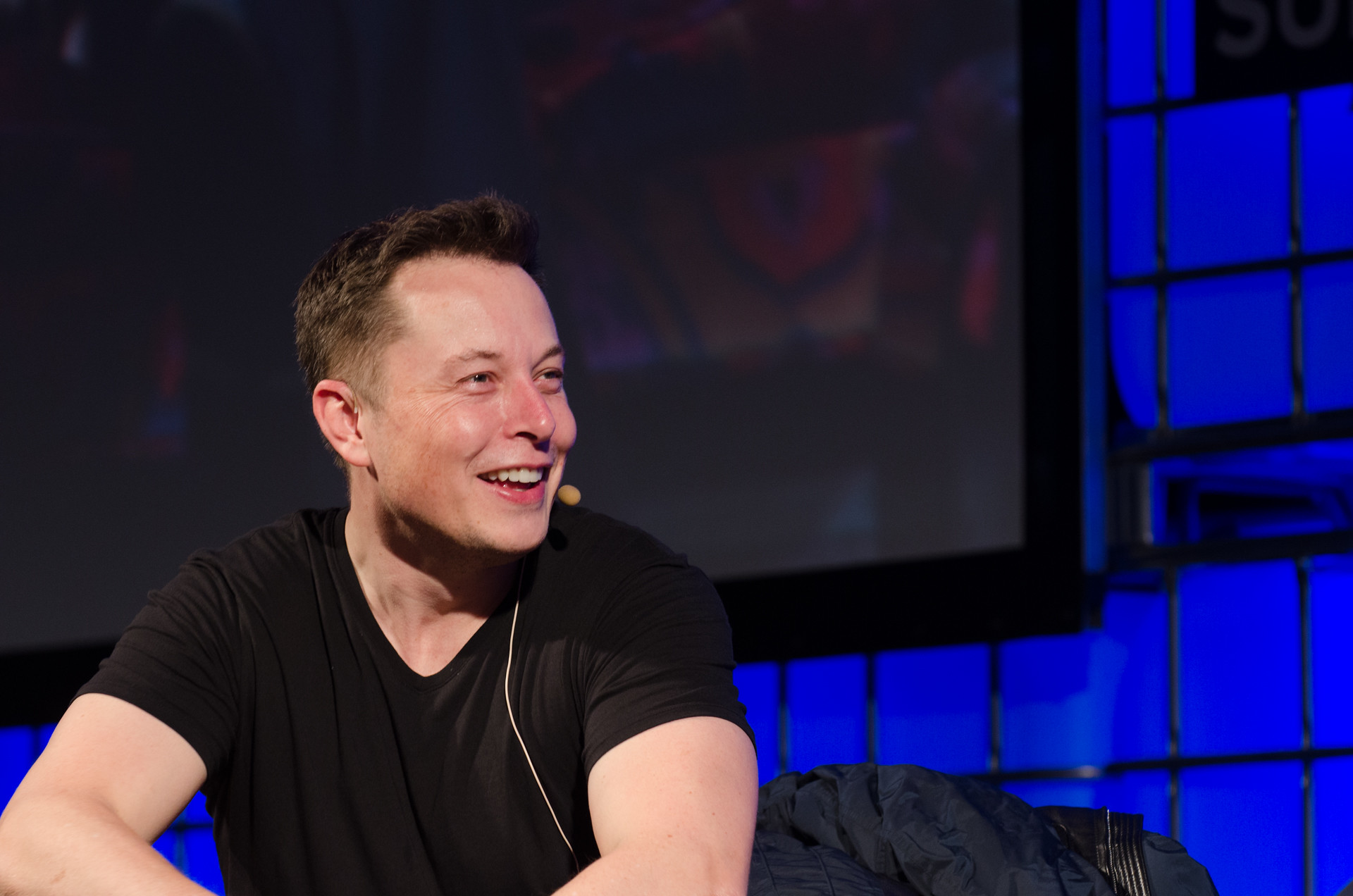
Tech billionaire Elon Musk has signaled his readiness to take on a significant role in a potential future Trump administration, where he would focus on identifying and eliminating wasteful government programs. Musk's remarks, made recently during a media appearance, have ignited speculation about his potential involvement in shaping federal policies under former President Donald Trump if he were to return to office.
Musk, the CEO of Tesla and SpaceX, has long been vocal about his views on government inefficiencies, and his latest comments suggest he is eager to play a hands-on role in streamlining federal operations. The entrepreneur has stated that he is particularly interested in auditing federal agencies, identifying excessive spending, and reducing what he sees as burdensome regulations that hinder economic growth and innovation.
The notion of Musk joining a Trump administration is not entirely surprising, given the tech mogul's past statements aligning with conservative ideals of deregulation and smaller government. His expertise in managing large-scale operations and pushing technological boundaries could make him a valuable asset in a government role focused on auditing federal programs.
Musk's recent expression of interest in such a position underscores a broader debate about the role of private sector leaders in public governance. His vision appears centered around bringing the efficiency of the tech world into the notoriously bureaucratic structure of Washington, D.C. By advocating for the elimination of what he describes as "needless regulation," Musk positions himself as a figure who could drastically reshape the federal landscape, should he assume such a role.
Trump, who has previously praised Musk for his innovation and success, has not yet confirmed whether Musk would be offered a formal position in any future administration. However, their shared views on government spending and regulations could create a strong foundation for collaboration. Musk's focus on cutting through red tape aligns closely with Trump's historical efforts to reduce regulatory burdens during his first term in office.
Critics, however, are quick to question whether Musk’s involvement in federal auditing would blur the line between private industry and government oversight. Concerns have been raised about how Musk’s business interests, particularly in areas like energy and space exploration, might influence decisions related to cutting federal programs, many of which play vital roles in those industries.
Despite these potential conflicts of interest, Musk’s supporters argue that his track record of transforming industries like electric vehicles and space travel positions him as uniquely qualified to overhaul the federal government’s sprawling agencies. They suggest that Musk’s innovative approach could be the key to tackling long-standing inefficiencies in government spending.
In a political landscape increasingly shaped by outsider perspectives, Musk’s willingness to engage in the public sector has fueled discussions about the future of government reform. His potential involvement in auditing federal agencies would be a significant step toward reshaping how Washington operates, particularly in an administration focused on deregulation and cost-cutting.
As the 2024 election approaches, speculation about Musk’s role in a possible Trump administration will likely continue. Whether or not Musk formally joins the political fray, his influence on the conversation around government efficiency and regulatory reform is already making waves.
If Musk does become part of a future Trump administration, it would mark a major shift in the relationship between technology leaders and government, with far-reaching implications for how federal agencies operate and how regulations are enforced in the years to come.













