


 India–U.S. Interim Trade Pact Cuts Auto Tariffs but Leaves Tesla Out
  Trump Signs Executive Order Threatening 25% Tariffs on Countries Trading With Iran
  Trump Lifts 25% Tariff on Indian Goods in Strategic U.S.–India Trade and Energy Deal
  U.S. Stock Futures Slide as Tech Rout Deepens on Amazon Capex Shock
  Asian Stocks Slip as Tech Rout Deepens, Japan Steadies Ahead of Election
  Gold and Silver Prices Slide as Dollar Strength and Easing Tensions Weigh on Metals
  Singapore Budget 2026 Set for Fiscal Prudence as Growth Remains Resilient
  U.S.-India Trade Framework Signals Major Shift in Tariffs, Energy, and Supply Chains
  Trump’s Inflation Claims Clash With Voters’ Cost-of-Living Reality
  Fed Governor Lisa Cook Warns Inflation Risks Remain as Rates Stay Steady
  Vietnam’s Trade Surplus With US Jumps as Exports Surge and China Imports Hit Record
  Russian Stocks End Mixed as MOEX Index Closes Flat Amid Commodity Strength
  Global Markets Slide as AI, Crypto, and Precious Metals Face Heightened Volatility
  China Extends Gold Buying Streak as Reserves Surge Despite Volatile Prices
  Dollar Near Two-Week High as Stock Rout, AI Concerns and Global Events Drive Market Volatility
  Oil Prices Slide on US-Iran Talks, Dollar Strength and Profit-Taking Pressure
  Thailand Inflation Remains Negative for 10th Straight Month in January


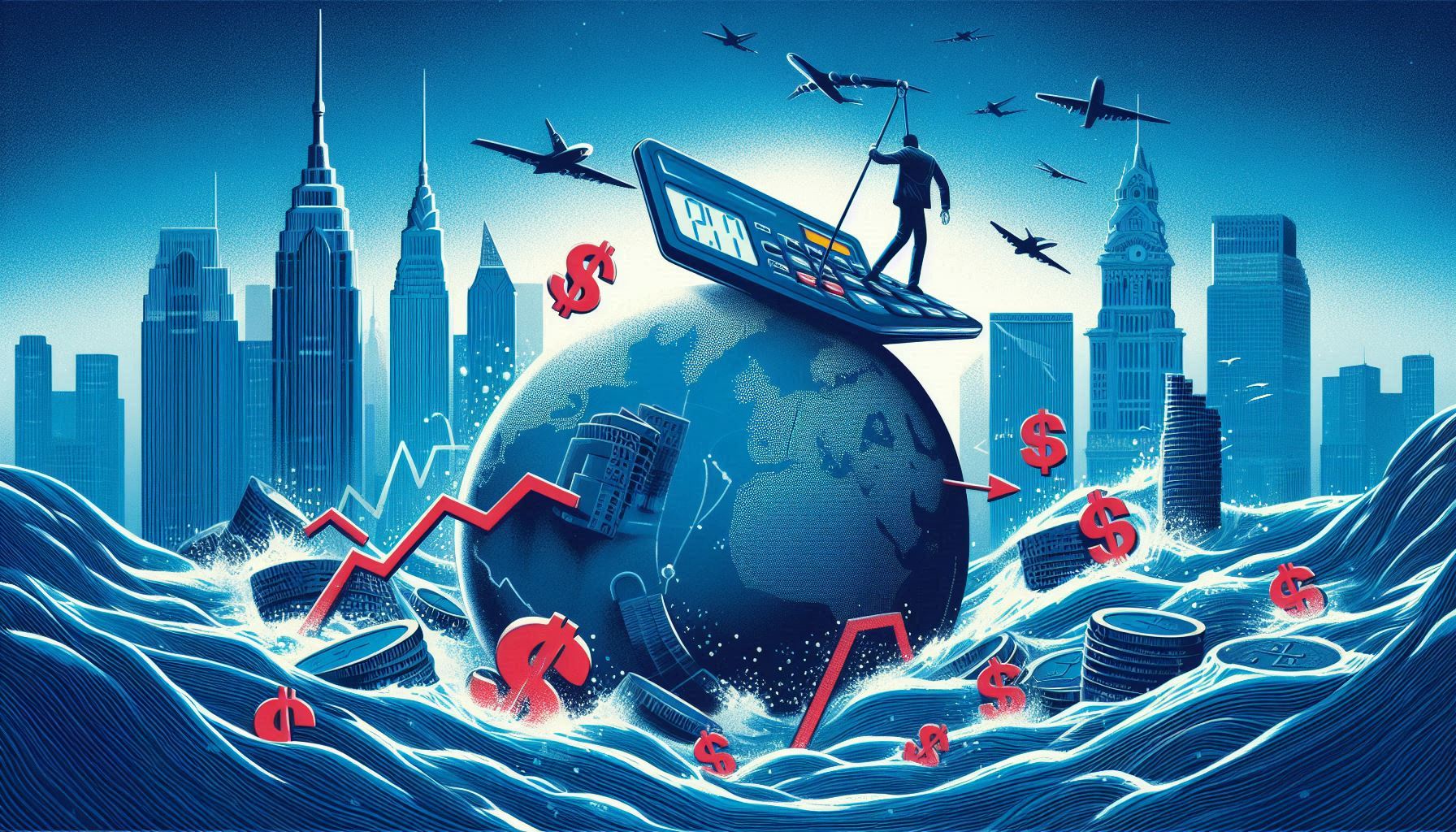
The Post-Debt Landscape: A New Crisis Emerges
The recent wave of sovereign defaults, highlighted by Ghana, Sri Lanka, and Zambia, appears to have peaked. However, experts warn that a dangerous liquidity crisis may now emerge in many developing economies. This potential shortfall could hinder development, stifle climate change efforts, and erode trust in governments and Western institutions.
Key Issues at the IMF World Bank Meetings
This pressing issue is at the forefront of discussions during the IMF World Bank autumn meetings in Washington, D.C. Christian Libralato, portfolio manager at RBC BlueBay, notes that rising debt service costs and limited borrowing options have created uncertainty in external funding sources.
To combat this, U.S. Treasury officials are advocating for innovative short-term liquidity support for low- and middle-income nations. The Global Sovereign Debt Roundtable, consisting of representatives from various sectors, will also address these challenges in an upcoming meeting.
The Strain on Budgets and Essential Services
Vera Songwe, chair of the Liquidity and Sustainability Facility, highlights that current solutions are insufficient in scale and speed. Many nations are cutting back on vital services like education, health, and infrastructure to meet debt obligations.
Data from ONE Campaign reveals that 26 countries, including Angola and Nigeria, spent more on debt servicing than they received in new financing in 2022. This trend worsened in 2023, with experts predicting even higher negative transfers for the coming years.
A Complex Path Forward
While some countries are beginning to access markets again, the costs remain prohibitive. For instance, Kenya recently borrowed at an unsustainable interest rate above 10%. Development banks are collaborating to maximize lending, but the outlook remains challenging as Western nations hesitate to increase their financial contributions.
Amidst protests in various countries and rising discontent, experts warn of a critical juncture for emerging economies.













