


 GSK Unveils $2.52 Billion Cost-Cutting Plan to Accelerate Drug Pipeline
  Tech Stock Positioning Nears Neutral as Investor Rotation Enters Final Phase, Deutsche Bank Says
  Standard Chartered Beats Profit Forecasts as First-Half Earnings Rise 9%
  Galp Shares Fall After Q2 EBITDA Miss Despite Profit Beat and Higher Dividend
  ASML, Applied Materials Slide as China DUV Chip Equipment Breakthrough Sparks Market Jitters
  X Challenges Australia’s Expanded Social Media Ban Enforcement Powers
  Johnson & Johnson Proposes $5.5 Billion Talc Settlement to Resolve U.S. Ovarian Cancer Lawsuits
  Air Liquide Q2 Sales Growth Tops Forecast as Electronics Business Drives Strong Performance
  Zhongji Innolight Raises $6.8 Billion in Hong Kong IPO as AI Demand Fuels Growth
  CATL Shares Jump as $5.6 Billion Buyback Signals Confidence in Long-Term Growth
  Exosens H1 Profit Beats Forecasts as Defense Demand Drives Growth
  Unilever Raises 2026 Sales Outlook After Strong Q2 Volume Growth
  Serica Energy to Acquire Pharos Energy for £145.7M, Sending PHARP Shares Soaring
  Nvidia Eyes $250B Guarantee for OpenAI’s Massive Ohio AI Data Center Project
  Meta CEO Zuckerberg Opposes U.S. Ban on Chinese AI Models, Warns Against Overregulation
  Brown-Forman Rejects Sazerac’s $15 Billion Takeover Bid as Family Backs Independence
  Seagate Stock Jumps as AI-Fueled Earnings Beat and Strong FY2027 Outlook Impress Investors


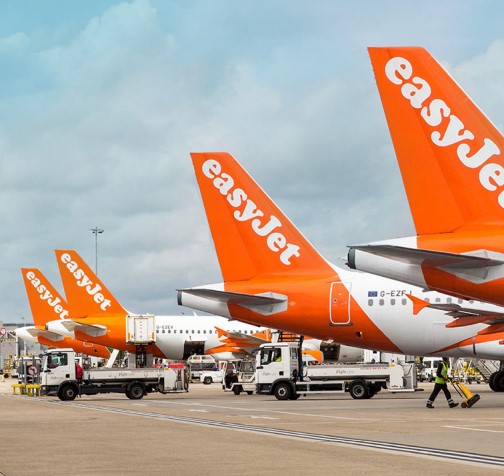
UK's EasyJet revealed that its first-ever annual loss could reach $1.1 billion as it was operating at just 25 percent of its capacity.
Analysts had expected it to lose $1 billion.
EasyJet said continued travel restrictions would allow it to fly just 25 percent of its capacity for the rest of 2020, behind rival Ryanair, which is aiming for 40 percent in October.
The airline has notified the UK government that it may need more financial assistance, which CEO Johan Lundgren described as a “step up with a bespoke package of measures.”
Founded in 1995, EasyJet has never made a full-year loss.
So far, EasyJet has taken a $776 million loan from the government, cut 4,500 jobs, sold aircraft to raise $786 million, and tapped shareholders for $542 million.







