


 Japan Economy Poised for Q4 2025 Growth as Investment and Consumption Hold Firm
  Trump Signs Executive Order Threatening 25% Tariffs on Countries Trading With Iran
  Japanese Pharmaceutical Stocks Slide as TrumpRx.gov Launch Sparks Market Concerns
  South Korea’s Weak Won Struggles as Retail Investors Pour Money Into U.S. Stocks
  Fed Governor Lisa Cook Warns Inflation Risks Remain as Rates Stay Steady
  Trump Endorses Japan’s Sanae Takaichi Ahead of Crucial Election Amid Market and China Tensions
  Dollar Near Two-Week High as Stock Rout, AI Concerns and Global Events Drive Market Volatility
  Thailand Inflation Remains Negative for 10th Straight Month in January
  Dollar Steadies Ahead of ECB and BoE Decisions as Markets Turn Risk-Off
  South Africa Eyes ECB Repo Lines as Inflation Eases and Rate Cuts Loom
  Dow Hits 50,000 as U.S. Stocks Stage Strong Rebound Amid AI Volatility
  Singapore Budget 2026 Set for Fiscal Prudence as Growth Remains Resilient
  Gold and Silver Prices Slide as Dollar Strength and Easing Tensions Weigh on Metals
  Global Markets Slide as AI, Crypto, and Precious Metals Face Heightened Volatility
  RBI Holds Repo Rate at 5.25% as India’s Growth Outlook Strengthens After U.S. Trade Deal
  Trump Lifts 25% Tariff on Indian Goods in Strategic U.S.–India Trade and Energy Deal


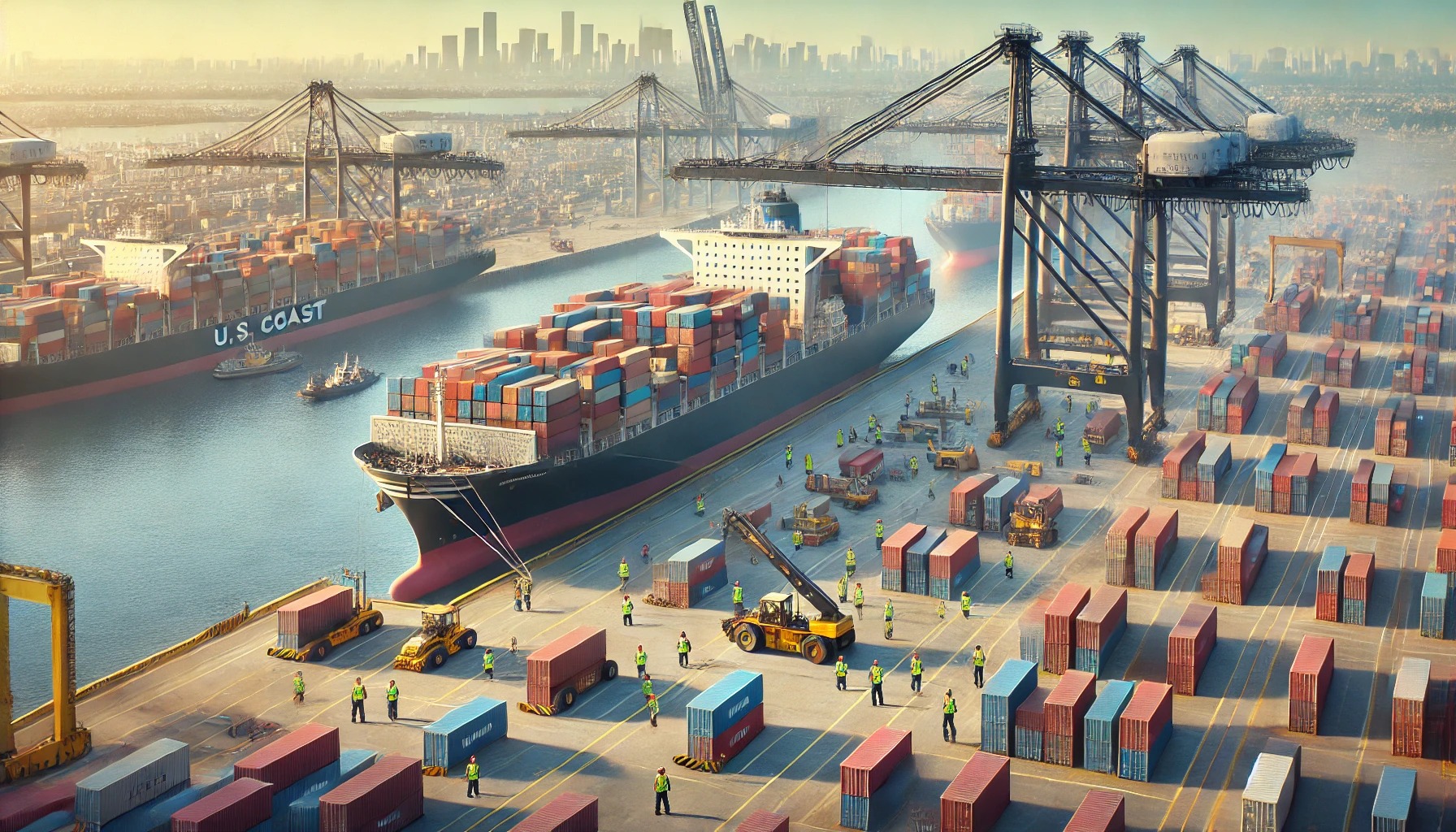
The International Longshoremen’s Association (ILA) and the United States Maritime Alliance (USMX) have successfully extended their master contract through September 30, 2024. This extension maintains labor peace and operational stability across 36 ports along the U.S. East Coast and the Gulf of Mexico.
Contract Extension Details
Ratified in 2019, the contract extension includes wage increases, enhanced benefits, and provisions addressing automation concerns. The agreement reflects a collaborative effort to support the livelihoods of dockworkers while ensuring the competitiveness of U.S. ports in the global market.
Positive Impact on Supply Chains
The extended contract is expected to bolster confidence among businesses relying on these ports for importing and exporting goods. With global supply chains recovering from recent disruptions, the continuity provided by this agreement is seen as a critical factor in sustaining economic growth.
Statements from ILA and USMX
"Our members are committed to keeping the ports running efficiently," said Harold J. Daggett, President of the ILA. "This agreement ensures that our workforce is recognized and rewarded for their contributions."
USMX Chairman and CEO David F. Adam commented, "Reaching this extension reflects the strong partnership between the ILA and USMX. It’s a win for the industry and the nation’s economy."
Industry Reactions
Industry leaders and economists have lauded the contract extension. The National Retail Federation issued a statement praising the agreement: "This extension provides much-needed certainty for retailers and other businesses dependent on these key ports."
Future Outlook
Both the ILA and USMX have expressed commitment to ongoing dialogue to address future challenges, including technological advancements and evolving global trade dynamics. The partnership aims to enhance productivity while safeguarding jobs and working conditions.
Background
The ILA represents over 65,000 longshoremen on the Atlantic and Gulf coasts, while the USMX includes carriers, terminal operators, and port associations. Their master contract sets the standards for wages, benefits, and working conditions at ports that handle a significant portion of the nation’s ocean freight.













