


 New York Legalizes Medical Aid in Dying for Terminally Ill Patients
  Taiwan Says Moving 40% of Semiconductor Production to the U.S. Is Impossible
  Anutin’s Bhumjaithai Party Wins Thai Election, Signals Shift Toward Political Stability
  Japan’s Prime Minister Sanae Takaichi Secures Historic Election Win, Shaking Markets and Regional Politics
  Japan Election 2026: Sanae Takaichi Poised for Landslide Win Despite Record Snowfall
  Trump’s Inflation Claims Clash With Voters’ Cost-of-Living Reality
  Trump Lifts 25% Tariff on Indian Goods in Strategic U.S.–India Trade and Energy Deal
  Bosnian Serb Presidential Rerun Confirms Victory for Dodik Ally Amid Allegations of Irregularities
  Federal Judge Restores Funding for Gateway Rail Tunnel Project
  Ohio Man Indicted for Alleged Threat Against Vice President JD Vance, Faces Additional Federal Charges
  Bangladesh Election 2026: A Turning Point After Years of Political Suppression
  China Overturns Death Sentence of Canadian Robert Schellenberg, Signaling Thaw in Canada-China Relations
  US Pushes Ukraine-Russia Peace Talks Before Summer Amid Escalating Attacks
  Nicaragua Ends Visa-Free Entry for Cubans, Disrupting Key Migration Route to the U.S.
  Trump Congratulates Japan’s First Female Prime Minister Sanae Takaichi After Historic Election Victory
  Trump Says “Very Good Talks” Underway on Russia-Ukraine War as Peace Efforts Continue
  Ghislaine Maxwell to Invoke Fifth Amendment at House Oversight Committee Deposition


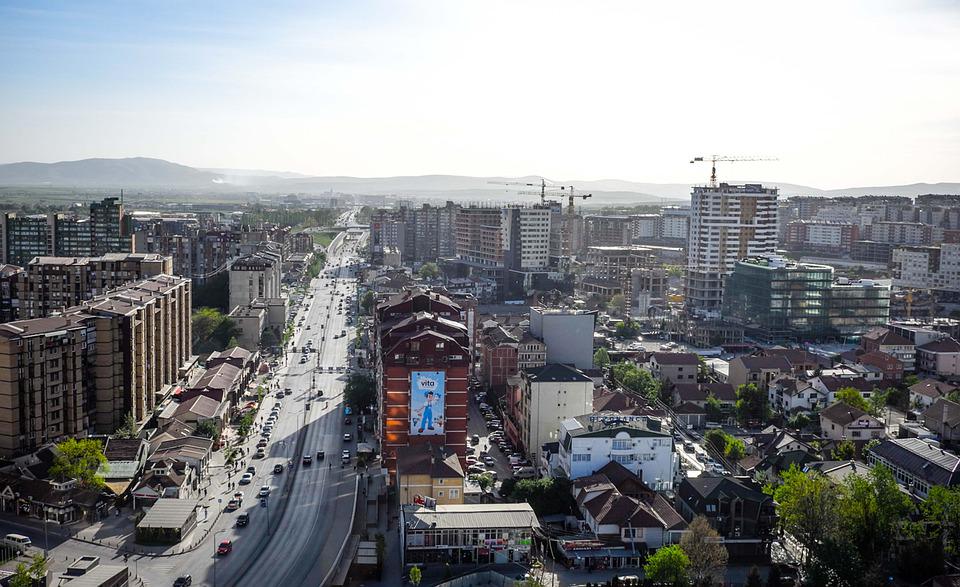
Over the weekend, the European Union announced that Kosovo and Serbia had settled an ethnic dispute over the movement of citizens across the border between the two countries. This comes as both Balkan countries have been at odds over their identity documents.
EU foreign policy chief Josep Borrell announced on Twitter Saturday that a deal was reached between Kosovan Prime Minister Albin Kurti and Serbian President Aleksandar Vucic to recognize both countries’ identities when travelling between nations. Borrell added that he received guarantees from both leaders.
“We have a deal. Under the EU-facilitated dialogue, Serbia agreed to abolish entry/exit documents for Kosovo ID holders, and Kosovo agreed to not introduce them for Serbian ID holders,” tweeted Borrell.
“Kosovo Serbs, as well as all other citizens, will be able to travel freely between Kosovo & Serbia using their ID cards. The EU just received guarantees from PM Kurti to this end. This is a European solution. We congratulate both leaders on this decision and their leadership,” said Borrell.
Kosovo and Serbia have been at odds since Kosovo announced that it would stop recognizing Serbian ID documents starting in August. This is as Serbian authorities do not recognize Kosovan documents. Serbian fighters then blocked access to two border crossings in northern Kosovo, which is predominantly populated by Serbs.
Tensions appeared to ease when Pristina agreed to continue recognizing Serbian-issued number plates and documents for Kosovo citizens for another 30 days. Kurti and Vucic took part in the talks to defuse tensions between the neighboring countries, chaired by Borrell.
Serbia continues to claim Kosovo as its territory, despite many countries already recognizing Kosovo as a state.
Back in June, Greek Prime Minister Kyriakos Mitsotakis said the EU should offer the integration of all six Western Balkan countries into the bloc by 2033 in what he described as a “bold but necessary step.”
This is in light of Russia’s invasion of Ukraine, which has given a sense of urgency to the need to integrate Kosovo, Serbia, North Macedonia, Montenegro, Bosnia, and Albania into the bloc. The need to integrate the Western Balkans into the bloc also is in part to counter the growing influence of both China and Russia in the region.













