


 Gold and Silver Prices Rebound After Volatile Week Triggered by Fed Nomination
  Trump’s Inflation Claims Clash With Voters’ Cost-of-Living Reality
  South Africa Eyes ECB Repo Lines as Inflation Eases and Rate Cuts Loom
  Dow Hits 50,000 as U.S. Stocks Stage Strong Rebound Amid AI Volatility
  South Korea’s Weak Won Struggles as Retail Investors Pour Money Into U.S. Stocks
  Washington Post Publisher Will Lewis Steps Down After Layoffs
  Silver Prices Plunge in Asian Trade as Dollar Strength Triggers Fresh Precious Metals Sell-Off
  FDA Targets Hims & Hers Over $49 Weight-Loss Pill, Raising Legal and Safety Concerns
  Trump Backs Nexstar–Tegna Merger Amid Shifting U.S. Media Landscape
  Once Upon a Farm Raises Nearly $198 Million in IPO, Valued at Over $724 Million
  TSMC Eyes 3nm Chip Production in Japan with $17 Billion Kumamoto Investment
  India–U.S. Interim Trade Pact Cuts Auto Tariffs but Leaves Tesla Out
  Global PC Makers Eye Chinese Memory Chip Suppliers Amid Ongoing Supply Crunch
  South Korea Assures U.S. on Trade Deal Commitments Amid Tariff Concerns
  American Airlines CEO to Meet Pilots Union Amid Storm Response and Financial Concerns
  Asian Stocks Slip as Tech Rout Deepens, Japan Steadies Ahead of Election
  Dollar Steadies Ahead of ECB and BoE Decisions as Markets Turn Risk-Off


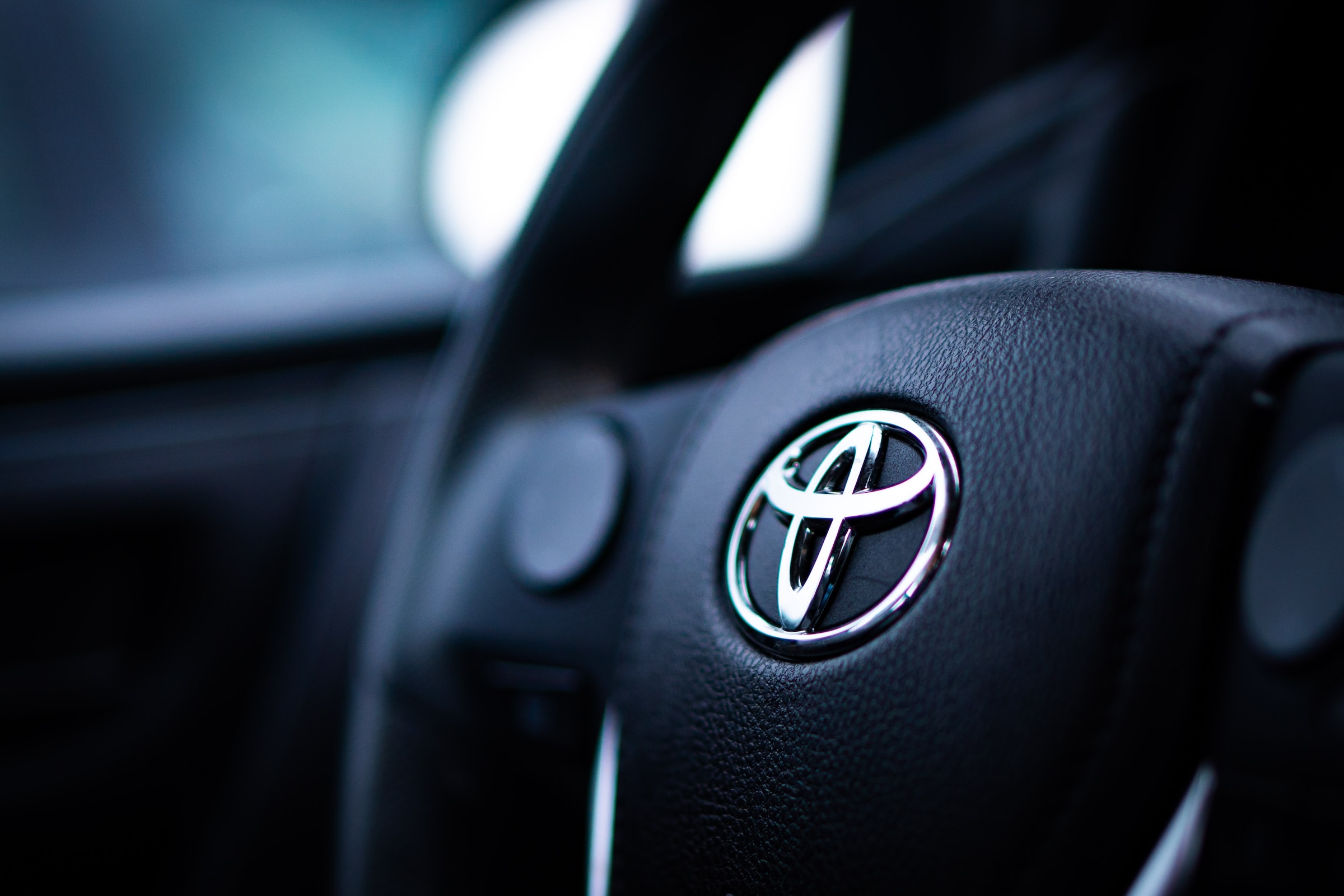
The European Commission greenlights a joint venture between Germany's Messer SE and Toyota Tsusho Europe SA for hydrogen-based mobility solutions. Concurrently, a novel biogas-to-hydrogen project in Thailand, involving Toyota and Charoen Pokphand Group, sets the stage for innovative sustainability.
This joint venture aims to provide fleet operators with a comprehensive range of services. These services include offering hydrogen mobility vehicles, maintenance and fleet management assistance, on-site production, and the supply of green hydrogen throughout Europe.
After careful examination, the Commission determined that this proposed transaction would not pose any competition concerns, as it will have a limited impact on the market.
Messer is known for its production of industrial, specialty, and medical gases, as well as gas mixtures. On the other hand, Toyota Tsusho Corp is a global trading company operating across various sectors, including metals, parts and logistics, automotive, machinery, energy, chemicals, and electronics.
This partnership will pave the way for innovative and sustainable mobility solutions in Europe by leveraging the expertise and resources of both companies.
In Thailand, a joint venture between Charoen Pokphand Group and Toyota Motor Corp is set to revolutionize hydrogen production. Starting this year, the partnership plans to utilize biogas derived from local chicken manure and food waste at CP Group's farms to generate hydrogen. Toyota has enlisted the expertise of the engineering firm Mitsubishi Kakoki Kaisha to develop the necessary equipment for this groundbreaking initiative. In November, the state-of-the-art equipment will be installed at Toyota's Asia-Pacific headquarters in Samut Prakan province, south of Bangkok.
This pioneering facility, capable of producing 1,000 liters of hydrogen per hour, marks Toyota's first venture in utilizing biogas for hydrogen production. The automaker, along with its trading arm Toyota Tsusho, will also oversee the creation of a comprehensive system to compress, store, and transport the biogas and hydrogen. Although the exact investment cost remains undisclosed, the project holds immense promise for sustainable energy solutions.
Toyota and CP Group, Thailand's largest conglomerate renowned for its involvement in retailing, distribution, and agriculture, forged the partnership in December. The primary objective is to employ hydrogen to power CP Group's delivery trucks, thereby significantly reducing carbon emissions. As one of the world's leading animal feed and livestock producers, CP Group has long been dedicated to environmental stewardship.
Photo: Christina Telep/Unsplash













