


 AstraZeneca Shares Sink After Wainua Trial Misses Key Heart Disease Goal
  SoftBank Corp Partners With Sierra to Expand AI Customer Support Across Japan
  Genesis Minerals to Acquire Vault in A$5.6 Billion Deal After Regis Withdraws
  Muji Owner Ryohin Keikaku Stock Soars After Raising Full-Year Earnings Forecast
  Deutsche Bank Fined A$2 Million by ASIC Over OTC Derivatives Reporting Errors
  Morgan Stanley Names Marks & Spencer Top European Retail Pick, Sees Strong Upside
  Oppenheimer Sees CNH Industrial as Top 2026 Agriculture Stock Pick on Dealer Consolidation Strategy
  Elon Musk Says Anthropic Leads AI Race as Claude Models Challenge OpenAI
  Fast Retailing Raises Full-Year Forecast After Uniqlo Owner Beats Q3 Profit Estimates
  Morgan Stanley Says China’s Reusable Rocket Progress Poses Long-Term Challenge to SpaceX
  Apple Sues OpenAI, Former Employees Over Alleged Trade Secret Theft
  Samsung to Launch First Yongin Chip Plant by 2029 as South Korea Speeds Up Semiconductor Hub
  TSMC Q2 Revenue Surges 36% as AI Chip Demand Powers Growth Ahead of Earnings
  SK Hynix Prices Record U.S. ADR Offering at $149 After $200 Billion Investor Demand
  Samsung Chairman Lee Jae-yong Expected to Meet Nvidia CEO Jensen Huang on AI and Chip Partnership
  Yaskawa Electric Shares Slide as Weak Profit Overshadows Strong AI Demand
  SK Hynix Soars 13% in Nasdaq Debut After Record $26.5 Billion IPO


U.S. drugmakers are planning to raise prices on at least 350 branded prescription medications in 2026, including major vaccines for COVID-19, RSV, and shingles, as well as high-profile cancer drugs such as Pfizer’s Ibrance. The planned increases come despite continued pressure from the Trump administration to rein in prescription drug costs, according to data from healthcare research firm 3 Axis Advisors.
The number of planned price hikes is notably higher than last year, when manufacturers announced increases on more than 250 drugs at the same point in time. The median list price increase for 2026 is approximately 4%, consistent with 2025 levels. These figures reflect list prices only and do not account for rebates, pharmacy benefit manager negotiations, or other discounts that may reduce the final cost paid by insurers or patients.
While most attention is on rising prices, some manufacturers are also cutting costs on a limited number of drugs. Around nine medications are expected to see list price reductions, including a more than 40% cut for the diabetes drug Jardiance and related treatments sold by Boehringer Ingelheim and Eli Lilly. Jardiance is one of the drugs whose price was negotiated downward for Medicare beneficiaries aged 65 and older in 2026, resulting in a two-thirds reduction under the federal program.
Despite these selective cuts, U.S. patients continue to pay significantly more for prescription drugs than consumers in other developed countries, often nearly three times as much. President Trump has pushed pharmaceutical companies to align U.S. prices with those in similarly wealthy nations and has announced agreements with 14 drugmakers to lower prices for Medicaid and cash-paying patients. However, critics argue these deals have limited impact on overall drug affordability.
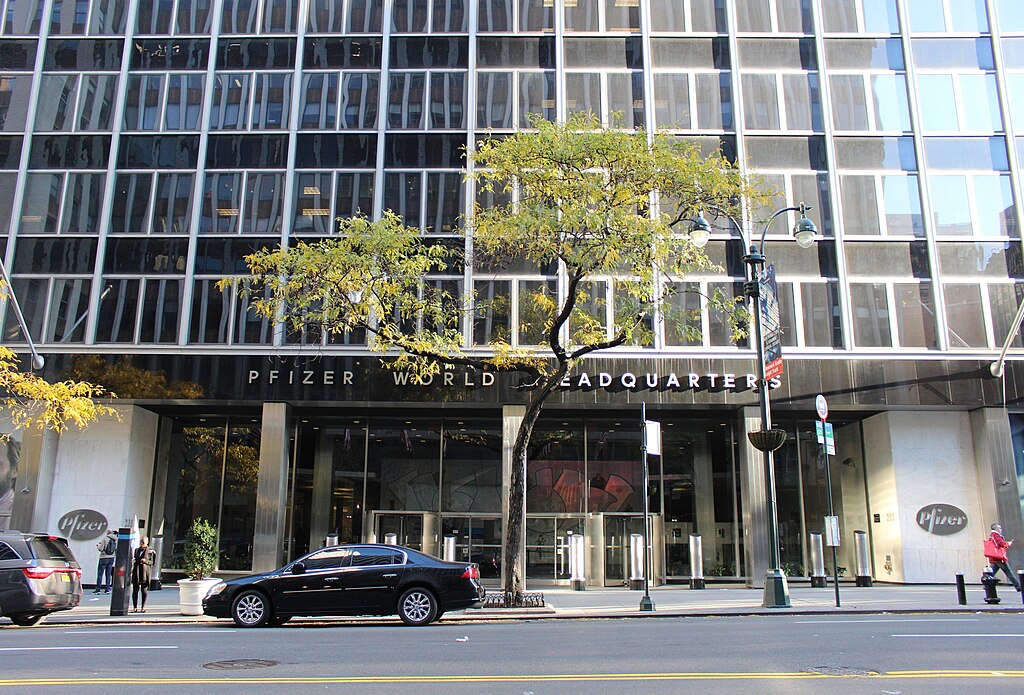
Pfizer leads the list of planned increases, with price hikes on roughly 80 medications, including Paxlovid, Nurtec, and Comirnaty, its COVID vaccine, which is set for a 15% increase. Some hospital-administered generics saw even steeper jumps. Pfizer maintains that its average price adjustments remain below inflation and are necessary to fund research and offset rising operational costs.
More price changes, both increases and cuts, are expected in early January, traditionally the busiest period for pharmaceutical pricing adjustments.







