


 Trump Allows Commercial Fishing in Protected New England Waters
  U.S. to Begin Paying UN Dues as Financial Crisis Spurs Push for Reforms
  Trump Says “Very Good Talks” Underway on Russia-Ukraine War as Peace Efforts Continue
  South Korea Assures U.S. on Trade Deal Commitments Amid Tariff Concerns
  Ohio Man Indicted for Alleged Threat Against Vice President JD Vance, Faces Additional Federal Charges
  U.S.-India Trade Framework Signals Major Shift in Tariffs, Energy, and Supply Chains
  Jack Lang Resigns as Head of Arab World Institute Amid Epstein Controversy
  Trump’s Inflation Claims Clash With Voters’ Cost-of-Living Reality
  US Pushes Ukraine-Russia Peace Talks Before Summer Amid Escalating Attacks
  Trump Signs “America First Arms Transfer Strategy” to Prioritize U.S. Weapons Sales
  China Warns US Arms Sales to Taiwan Could Disrupt Trump’s Planned Visit
  TrumpRx.gov Highlights GLP-1 Drug Discounts but Offers Limited Savings for Most Americans
  Federal Judge Restores Funding for Gateway Rail Tunnel Project
  Netanyahu to Meet Trump in Washington as Iran Nuclear Talks Intensify
  Nighttime Shelling Causes Serious Damage in Russia’s Belgorod Region Near Ukraine Border
  Trump Backs Nexstar–Tegna Merger Amid Shifting U.S. Media Landscape
  TrumpRx Website Launches to Offer Discounted Prescription Drugs for Cash-Paying Americans


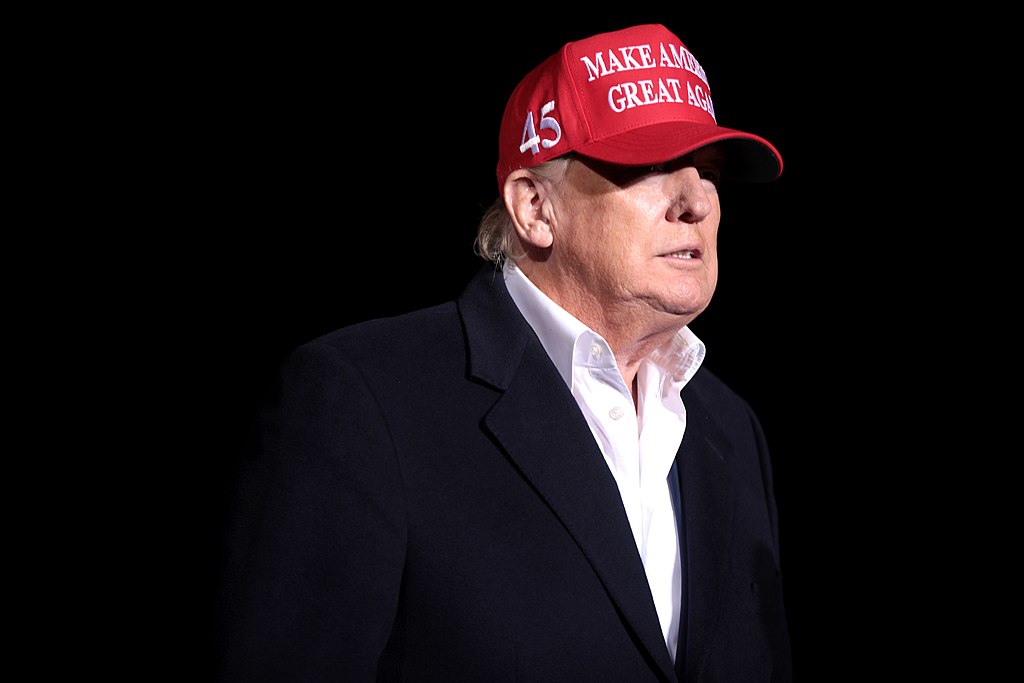
Former President Donald Trump has introduced a bold economic proposal as part of his potential 2024 campaign platform, announcing that he intends to cap credit card interest rates at 10%. This sweeping plan, aimed at curbing the financial burdens faced by millions of American consumers, has sparked both enthusiasm and skepticism. While Trump's proposal appeals to those struggling with high credit card debt, questions remain about its feasibility and potential impact on the broader economy.
Trump’s plan, which surfaced during recent campaign appearances, suggests placing a hard limit on the interest rates credit card companies can charge consumers. Currently, credit card interest rates in the United States often exceed 20%, placing a heavy financial strain on individuals who carry balances from month to month. A cap at 10% would mark a significant shift in the financial landscape, potentially offering relief to millions of consumers but raising concerns among banks and credit institutions.
This proposal comes at a time when Americans are facing increasing financial pressure due to rising inflation and the lingering effects of the COVID-19 pandemic. Credit card debt has been on the rise, with many individuals relying on revolving credit to cover basic expenses. A cap on interest rates could provide much-needed relief for struggling households, potentially lowering monthly payments and reducing the total cost of carrying debt.
However, Trump's ambitious proposal has also drawn criticism from financial experts and industry leaders who question its practicality. Critics argue that such a cap could disrupt the credit market, leading to unintended consequences for consumers. Financial institutions rely on interest rates to manage risk, and a sharp reduction in allowable rates may force lenders to tighten their standards, making credit less accessible to those with lower credit scores. This could result in fewer options for consumers seeking credit, particularly for those in need of short-term financial assistance.
Additionally, industry insiders warn that capping credit card interest rates at 10% could have a ripple effect across the economy. Banks and credit card companies might respond by introducing new fees or limiting reward programs to offset the loss of revenue from interest. The proposal could also lead to job losses in the financial sector, as companies scale back operations to adjust to a new regulatory environment.
Economists have also pointed out that similar interest rate caps have been attempted at the state level, often with mixed results. While some consumers may benefit from lower interest rates, others could find it more difficult to obtain credit altogether. The question of whether a federally mandated cap would work on a national scale remains up for debate, and the specifics of how such a policy would be implemented are still unclear.
As Trump positions himself for another potential White House run in 2024, his credit card interest rate cap proposal is likely to become a focal point of discussion. While the idea may resonate with voters eager for relief from high credit card debt, its implementation would require significant regulatory changes and cooperation from Congress, which could prove challenging.
EconoTimes cannot independently verify the specifics of Trump’s proposed credit card interest rate cap or its potential impact on the economy. The plan remains speculative at this stage, and further analysis is required to determine its feasibility and long-term effects.













