


 IEA Releases Record 400 Million Barrels of Oil Amid U.S.-Iran War
  U.S. Futures Slide as Oil Prices Surge on Middle East Shipping Attacks
  RBA Set for Back-to-Back Rate Hikes, Westpac Forecasts
  ANZ and Westpac Forecast Two RBA Rate Hikes in March and May 2026
  IEA Plans Record Emergency Oil Release Amid Iran Strait of Hormuz Crisis
  Bank of Japan Expected to Hold Rates at 0.75% Before June Hike Amid Middle East War Uncertainty
  Venezuela Names Paula Henao as New Oil Minister Amid U.S.-Led Industry Overhaul
  Asian Currencies Face Pressure as U.S.-Iran Conflict Weighs on Markets
  Trump Administration Launches Trade Investigations Against 16 Countries Over Industrial Overcapacity
  Dollar Steadies as Traders Await Clarity on U.S.-Israel-Iran War
  Dollar Stabilizes Amid Iran War Uncertainty as Oil Prices Remain Elevated
  German Exports Drop 2.3% in January, Exceeding Forecast Decline
  Diesel Price Surge Threatens Global Economy Amid Middle East Conflict
  Gold Prices Slip as U.S.-Israel-Iran War Fuels Dollar and Oil Demand
  Iran-Israel War Sparks Global Oil Crisis as Tankers Burn in Gulf Waters
  U.S. Solar Market Contracts in 2025 as Trump Rolls Back Renewable Energy Incentives


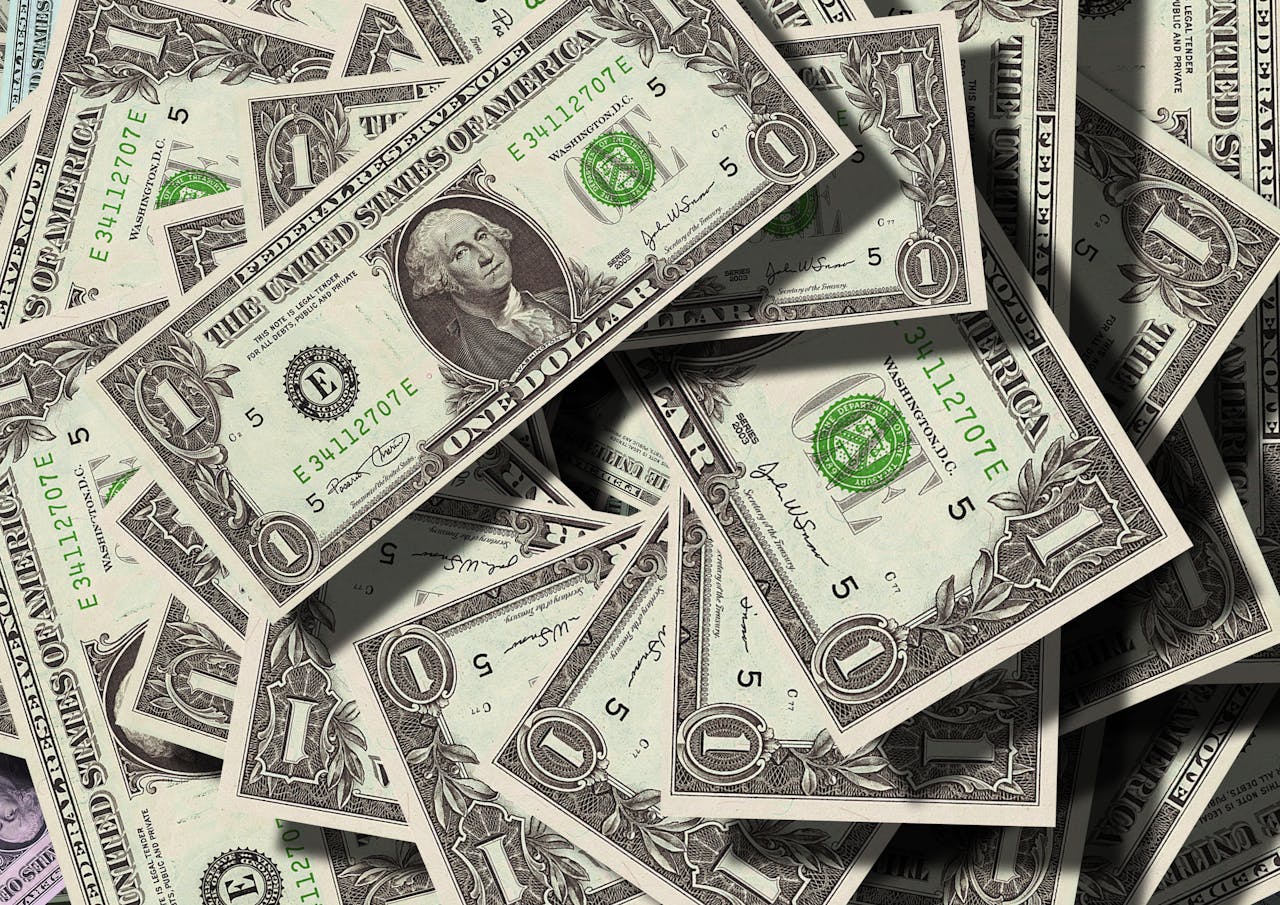
The U.S. dollar weakened on Tuesday as Asian markets reacted to renewed uncertainty surrounding President Donald Trump’s tariff policy and its potential fallout on global trade. Investors reassessed currency positions after the U.S. Supreme Court ruled that Trump’s use of a 1977 emergency law to impose tariffs exceeded presidential authority, reigniting volatility across forex markets.
The dollar index, which tracks the greenback against a basket of major currencies, held steady at 97.69 after falling as much as 0.45% in the previous session. The euro edged up 0.07% to $1.1793, while the Japanese yen slipped 0.03% to 154.71 per dollar. Market participants are closely watching USD/JPY movements after Japan’s Nikkei newspaper reported that U.S. authorities conducted rate checks in January to support the yen, signaling possible currency intervention.
Trade tensions escalated after Trump announced plans to raise a temporary tariff on U.S. imports from 10% to 15%, the maximum allowed under the law. He also warned that countries attempting to renegotiate trade deals following the Supreme Court ruling could face even steeper duties. According to the Wall Street Journal, Washington is considering additional national security tariffs targeting sectors such as industrial chemicals, large-scale batteries, power grid equipment, and telecom infrastructure.
The European Parliament postponed a vote on the European Union–U.S. trade agreement, while Japan requested assurances that new U.S. tariff measures would not disadvantage Tokyo compared to last year’s deal.
Broader market sentiment remains fragile as investors weigh artificial intelligence investment sustainability, persistent inflation concerns, and Federal Reserve policy signals. The Fed is widely expected to keep interest rates unchanged until at least June, with policymakers monitoring upcoming labor market data.
In currency markets, the Australian dollar rose 0.1% to $0.7061, and the New Zealand dollar gained 0.08% to $0.5961. In cryptocurrencies, bitcoin climbed 0.6% to $64,961.86, while ether advanced 0.2% to $1,866.88, reflecting cautious but resilient investor appetite.













