


 China's Trade Surplus Surges Past Forecasts in Early 2026
  Dollar Stabilizes Amid Iran War Uncertainty as Oil Prices Remain Elevated
  Nations will release an extra 400 million barrels of oil to the market. All we need to do now is not panic at the pump
  Asian Currencies Face Pressure as U.S.-Iran Conflict Weighs on Markets
  RBA Rate Decision: Deputy Governor Signals Genuine Debate Ahead of March Meeting
  Diesel Price Surge Threatens Global Economy Amid Middle East Conflict
  IEA Releases Record 400 Million Barrels of Oil Amid U.S.-Iran War
  U.S. Futures Slide as Oil Prices Surge on Middle East Shipping Attacks
  Asia FX Steady as Iran War Signals and U.S. Inflation Data Weigh on Sentiment
  ANZ and Westpac Forecast Two RBA Rate Hikes in March and May 2026
  Trump Administration Launches Trade Investigations Against 16 Countries Over Industrial Overcapacity
  Dollar Steadies as Traders Await Clarity on U.S.-Israel-Iran War
  Gold Prices Slip as U.S.-Israel-Iran War Fuels Dollar and Oil Demand
  U.S. Solar Market Contracts in 2025 as Trump Rolls Back Renewable Energy Incentives
  German Exports Drop 2.3% in January, Exceeding Forecast Decline
  Asian Stock Markets Rise as Oil Prices Pull Back; U.S. CPI in Focus
  UK Housing Market Slows Amid Geopolitical Tensions and Mortgage Rate Fears


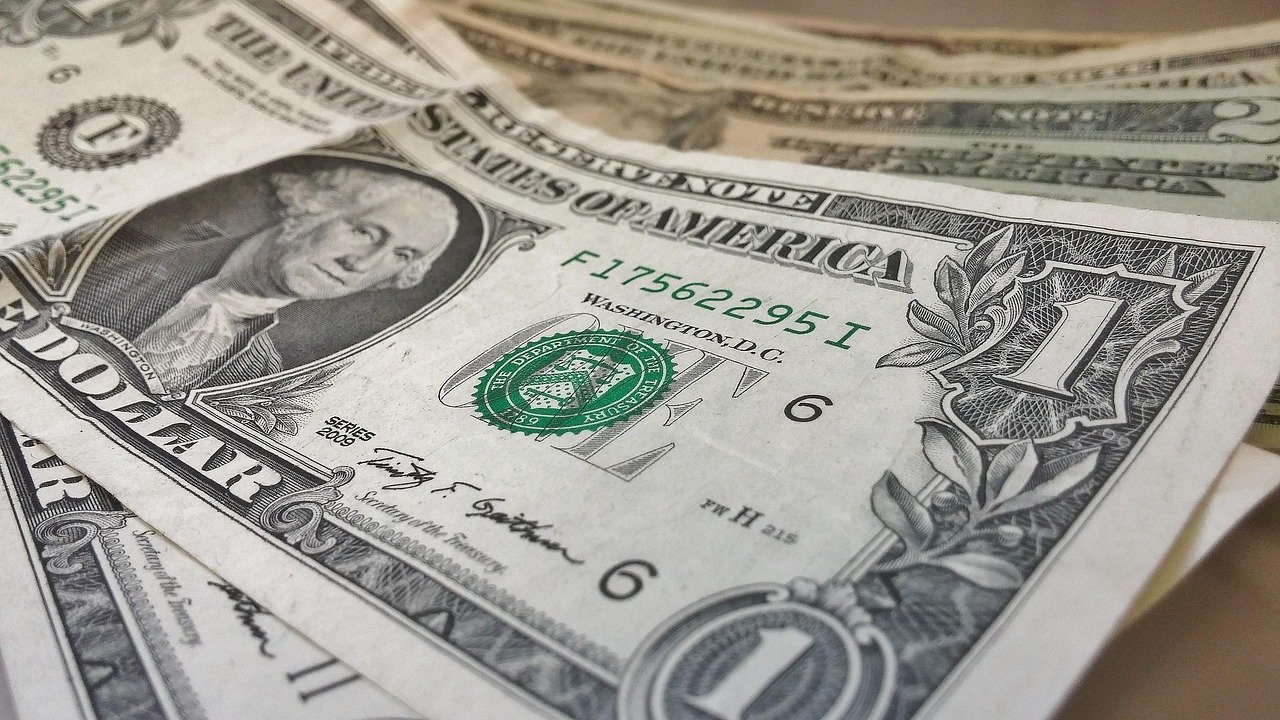
The U.S. dollar is on track to record its strongest weekly performance since October, supported by upbeat economic data, a hawkish Federal Reserve outlook, and rising geopolitical tensions between the United States and Iran. Stronger-than-expected labor market figures, including a drop in weekly jobless claims, reinforced confidence in the resilience of the U.S. economy and boosted demand for the greenback.
In early Asian trading, the dollar held firm near a one-month high, pressuring major currencies. Sterling hovered around $1.3457, close to a one-month low, and is set for a weekly decline of nearly 1.5%. The euro slipped slightly to $1.1768, heading for a 0.8% weekly loss amid uncertainty surrounding European Central Bank President Christine Lagarde’s tenure. Against a basket of currencies, the U.S. dollar index stood at 97.89, marking a gain of more than 1% for the week.
Federal Reserve policy expectations remain a central driver of currency markets. Recent Fed minutes revealed several policymakers are open to further rate hikes if inflation remains persistent. Although investors are still pricing in roughly two rate cuts this year, the probability of a June cut has eased to around 58%, according to CME FedWatch data. Upcoming releases of the U.S. core PCE price index and fourth-quarter GDP figures are expected to influence the next move in forex markets.
Geopolitical risks have also fueled safe-haven demand for the dollar. U.S. President Donald Trump warned Iran to reach a nuclear agreement within 10 to 15 days, prompting threats of retaliation from Tehran. Escalating tensions could significantly impact oil prices and global currency markets.
Elsewhere, the Australian dollar traded at $0.7055, supported by hawkish domestic rate expectations, while the New Zealand dollar fell to $0.5967 amid a dovish outlook from the Reserve Bank of New Zealand. The Japanese yen weakened to 155.08 per dollar after Japan’s core inflation slowed to 2.0%, reducing pressure on the Bank of Japan to tighten policy further.













