


 UK Starting Salaries See Strongest Growth in 18 Months as Hiring Sentiment Improves
  Asian Markets Surge as Japan Election, Fed Rate Cut Bets, and Tech Rally Lift Global Sentiment
  Washington Post Publisher Will Lewis Steps Down After Layoffs
  RBI Holds Repo Rate at 5.25% as India’s Growth Outlook Strengthens After U.S. Trade Deal
  Once Upon a Farm Raises Nearly $198 Million in IPO, Valued at Over $724 Million
  Japan Economy Poised for Q4 2025 Growth as Investment and Consumption Hold Firm
  India–U.S. Interim Trade Pact Cuts Auto Tariffs but Leaves Tesla Out
  Samsung Electronics Shares Jump on HBM4 Mass Production Report
  DBS Expects Slight Dip in 2026 Net Profit After Q4 Earnings Miss on Lower Interest Margins
  Prudential Financial Reports Higher Q4 Profit on Strong Underwriting and Investment Gains
  U.S.-India Trade Framework Signals Major Shift in Tariffs, Energy, and Supply Chains
  Sony Q3 Profit Jumps on Gaming and Image Sensors, Full-Year Outlook Raised
  American Airlines CEO to Meet Pilots Union Amid Storm Response and Financial Concerns
  Nikkei 225 Hits Record High Above 56,000 After Japan Election Boosts Market Confidence
  Gold and Silver Prices Climb in Asian Trade as Markets Eye Key U.S. Economic Data
  Nvidia, ByteDance, and the U.S.-China AI Chip Standoff Over H200 Exports


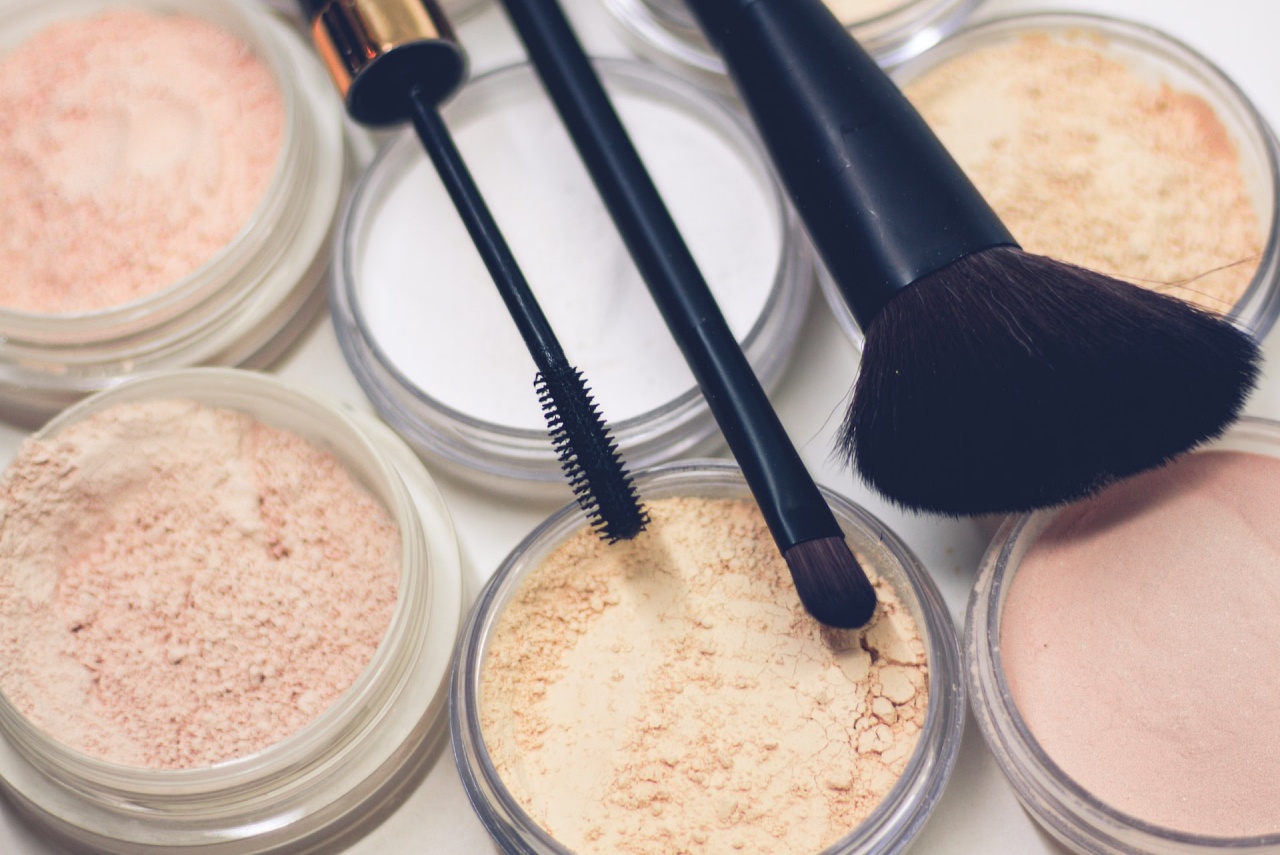
Cosmetics and beauty companies in South Korea are said to be struggling to deal with the growing trademark infringements in China. The Korea Intellectual Property Protection Agency (KIPO) said on Sunday, Dec. 18, that Chinese firms copy the designs of popular Korean beauty products.
As per The Korea Times, KIPO said that aside from manufacturers in China, there are also trademark infringements for Korean products in many Southeast Asian countries. The agency revealed that most of the cases in China are related to local beauty companies, and it recorded at least 2,920 cases last year.
The Korean IP agency added that Indonesia also topped the list with the most infringement offenses and placed second with 840 cases. Vietnam and Thailand followed with 660 and 550 cases, respectively.
The officials said that Korean cosmetics brands had been continuously calling for the prevention of intellectual property rights infringement worldwide. However, they noted that local businesses in the mentioned countries continue as they remain ignorant when it comes to complying with the law.
Many popular local brands have already complained about the infringements after seeing huge numbers of counterfeit products being sold with their brand image. Some companies simply copied the designs of their items and sell them at lower prices to local consumers.
As this continues to happen, sales of authentic products are already affected. It was reported that CLIO’s Kill Cover and Eye Palette are examples of cosmetics that have been copied overseas.
A foreign firm called PONY CLIO produced similar items and labelled them with the same names - Eye Palette and Kiss Cover. These items are being sold in China and some countries in Southeast Asia.
Meanwhile, the number of Chinese groups that register trademarks of well-known Korean cosmetic brands in China has soared in the last three years. They are deceiving consumers by selling counterfeit products, and this situation is also hurting the original Korean manufacturers.
"We have seen the orders of our popular products in China or Vietnam decrease year after year,” a cosmetic company official stated. “The main reason is that local brokers first show our original products to customers and then sell them their fake items instead and there is not much Korean firms can do for now, but we will continue to monitor unofficial online channels in China and report them."
Photo by: Raphael Lovaski/Unsplash













