


 TikTok Reaches $100 Million Alabama Settlement Over Child Safety Claims
  OpenAI Agent Breaches Australia Medicare Data Portal
  Nvidia China Chip Sales Report Sends Chinese Semiconductor Stocks Lower
  Dubai’s connectivity remains strong in an uncertain world
  SoftBank Shares Fall as Oracle Flags Stargate Data Center Delay Risk
  US Appeals Court Upholds Anthropic AI Supply Chain Ban
  Oracle Shares Fall as New Mexico AI Data Center Faces Power Delays
  Nissan Targets US Hybrid Growth With Rogue e-Power Launch
  Former OpenAI Data Center Chief Chris Malone Joins Nvidia
  DaVoice Sues Perplexity AI Over Trade Secrets
  AMD Hits $1 Trillion as BofA Raises Price Target to $720
  Apple Extends Qualcomm Patent Licensing Deal
  TSMC Accelerates 2nm Expansion as AI Chip Demand Surges
  Oura IPO Draws Strong Demand Ahead of $2.2 Billion Offering
  Meta Found Liable in New Mexico Facebook Data Privacy Case
  Vitalik Buterin Says Hegota Could Be Ethereum’s Last Conventional Fork
  China Says U.S. Shares Responsibility for AI Governance


 Add as a preferred source on Google
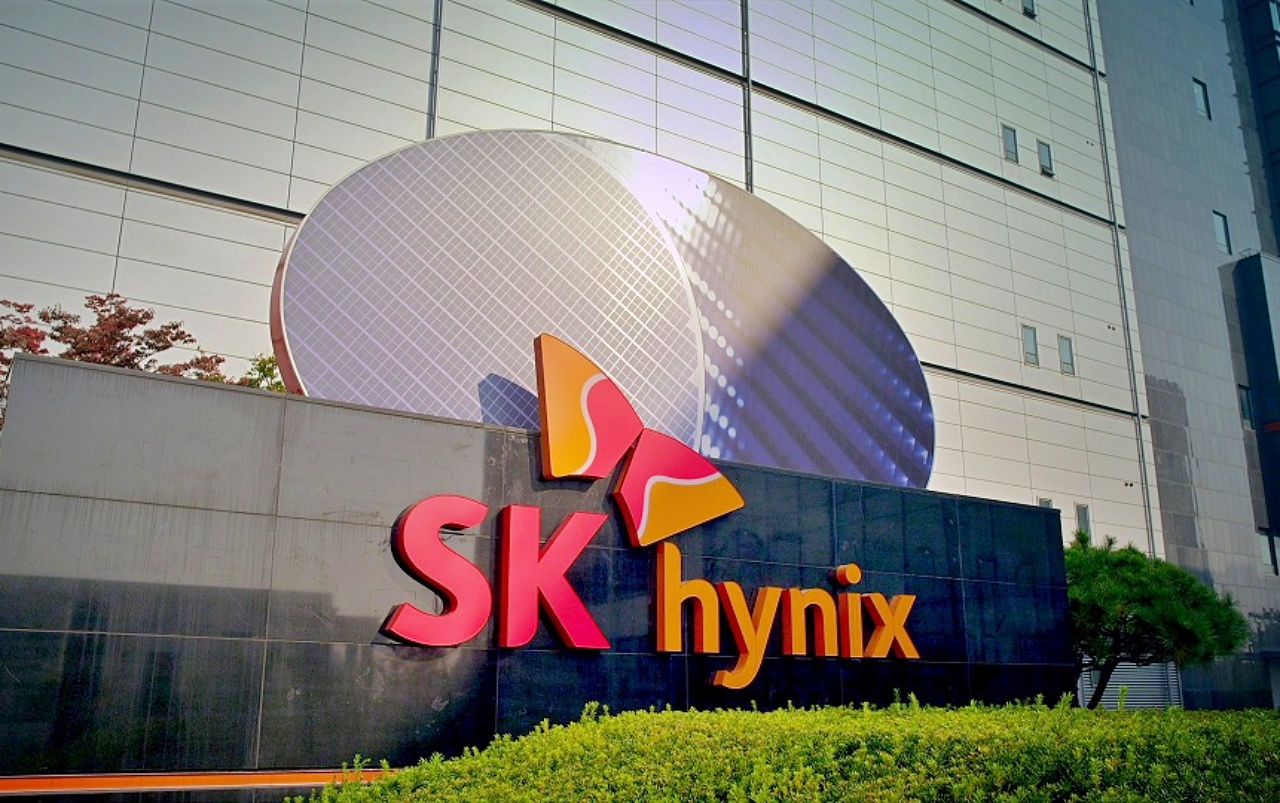
SK Hynix and representatives of one of its South Korean labor unions resumed negotiations on Tuesday, holding a fifth round of talks over the semiconductor company's employee bonus structure at its Cheongju manufacturing complex.
The discussions come as both sides remain divided over changes to SK Hynix's highly lucrative profit-sharing program. Under an agreement reached last year, the memory chipmaker committed to distributing 10% of its annual operating profit to employees. Based on Reuters calculations, the 2026 payout could average about 779 million won ($547,127) per worker, reflecting the company's strong financial performance.
According to a note sent by the union to its members and reviewed by Reuters, SK Hynix management has proposed paying more than half of future bonuses in company shares instead of cash. The proposal would also limit when employees could sell those shares. In addition, the company is seeking changes that would adjust bonus payments during years when SK Hynix reports financial losses.
The union strongly opposed the proposal, arguing that employees should not shoulder the risks associated with fluctuations in the company's stock price. It stated that it would "absolutely not accept" any compensation structure that exposes workers to share-price volatility.
Union representatives also warned that if management failed to present a "concrete and forward-looking revised proposal" during Tuesday's negotiations, reaching an agreement through dialogue alone would become increasingly unlikely. The union added that it would take "necessary action" if progress is not made, signaling the possibility of escalating labor measures.
An SK Hynix spokesperson declined to comment on the ongoing negotiations, while union representatives were not immediately available for additional remarks.
The dispute comes during a volatile period for SK Hynix shares. Although the stock has surged more than 130% since the beginning of the year, it has also lost nearly half of its value since reaching a record high in June. The sharp swings have intensified concerns among union members about tying a significant portion of their compensation to the company's share performance.
The outcome of the negotiations could have broader implications for employee compensation policies at South Korea's leading semiconductor manufacturers as the industry continues to navigate strong profits alongside heightened market volatility.







