


 US Treasury Plans Weekly Iran Sanctions Push
  Bessent Urges G20 to Rethink China Trade Ties
  Japan Industrial Output, Retail Sales Beat Forecasts in July
  California Seeks Paramount Divestitures in Warner Bros. Merger
  Asian Tech Stocks Slide as Fed Rate Hike Bets Rise
  US Judge Dismisses Gautam Adani Criminal Charges
  OpenAI Rejects Apple Trade Secret Theft Claims
  Amazon Shares Fall as FTC Plans Ad Pricing Lawsuit
  UN Chief Raises Concern Over US Sanctions on ICC Officials
  Global Markets Brace for Fed Rate Hike as Oil Tops $91
  Canada Backs €100 Billion Global Defence Bank
  Sun Pharma Wins U.S. Appeal in Pfizer Lipitor Antitrust Case
  Street Poller Media and The Boom of the Street Interview Ad Industry
  Bessent Urges Japan on Fiscal Discipline, BOJ Rate Hikes
  Aon Nears $17 Billion Deal to Buy USI Insurance From KKR


 Add as a preferred source on Google
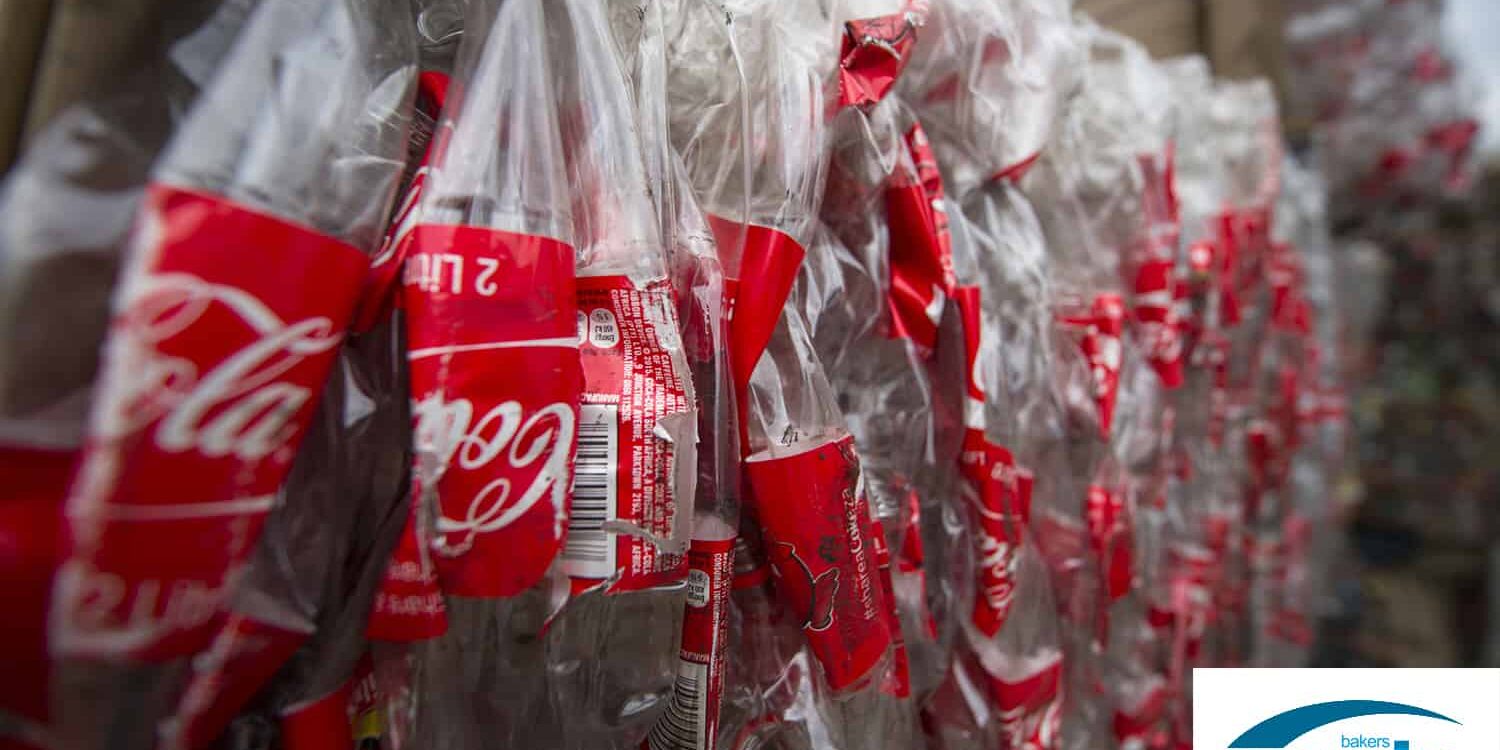
Earth Island Institute is appealing the Superior Court for the District of Columbia’s decision that Coca-Cola’s environmental statements weren’t misleading to consumers.
The lawsuit took issue with the beverage giant’s statements, including a tweet saying that business and sustainability are not separate stories for them but different facets of the same story.”
Earth Island’s general counsel, Sumona Majumdar, said they fundamentally take issue with companies claiming that they’re sustainable when their business practices rely on the extraction and use of plastic.
According to the DC judge, Coca-Cola’s statements were goals and not a specific promise to consumers.
It emphasized that courts cannot be expected to determine whether a company is committed to creating a ‘world without waste’ or ‘to doing business the right way,”.
Coca-Cola also triumphed in a case that was filed in the US District Court for the Northern District of California by the environmental group Sierra Club.
Because there is a shortage of recycling capacity, most bottles wind up in landfills or incinerators, contrary to promises on the bottles that the product is "100% recyclable." The Consumer Legal Remedies Act, the False Advertising Law, and the Unfair Competition Law of California, according to the Sierra Club, are all violated by the labels' deceptive misrepresentations.
A reasonable buyer would realize that just because a product is labeled "recyclable," it may not truly be recycled, according to the Californian court.
Some of Coke's sector peers haven't received the same level of sympathy from judges.
In March, a judge in the US District Court for the Southern District of California denied Nestle's request to have a case involving allegedly deceptive marketing dismissed. The complainant, a customer, claimed she purchased Nestle goods, including its hot chocolate, as a result of purportedly misleading social and environmental advantages highlighted on the package.
Bao Vu, a partner at Stoel Rives. said that despite these courtroom wins for Coca-Cola, food, and beverage companies are still trying to figure out the exact limits of what they can say about sustainability without running afoul of consumers or raising the eyebrows of activists and regulators,
He added that his corporate clients often speak about inconsistencies between how courts interpret greenwashing claims for different companies.
Vu explained that for similar types of statements, one may get called out while another might not.
He referred to the decisions as “a patchwork of inconsistent visions” of what could be deemed misleading.







