


 Nvidia AI Server Prices Set to Rise as Memory Costs Surge
  Xiaomi Unveils Xring O3 Chip for Flagship Foldable Phone
  SEC Probes Banks Over Situational Awareness Hedge Fund Collapse
  Woodside Drops $5 Billion Clean Energy Plan as Profit Rises 7%
  Trump Buys SpaceX Shares After Record IPO
  Tokio Marine Eyes Multibillion-Dollar Suncorp Takeover
  J.P. Morgan Upgrades Diploma, Lifts Price Target to 8,250p
  Nvidia Eyes Perplexity Investment at $30 Billion Valuation
  SK Hynix Shares Fall as Workers Reject Wage Deal
  SpaceX Hires Natural Gas Trader to Meet Growing Energy Needs
  Hanmi Pharm Soars 30% on $2.3 Billion Genentech Obesity Drug Deal
  Shein Launches $1.77 Billion Hong Kong IPO After Years of Listing Delays
  Alibaba Raises $10.2 Billion to Expand AI Infrastructure
  KPMG Australia Cuts 5% of Workforce Amid Scandal
  Tesla Raises Cybertruck Prices by $5,000 in US
  Samsung Shares Tumble 8% as $79 Billion Return Plan Disappoints


 Add as a preferred source on Google
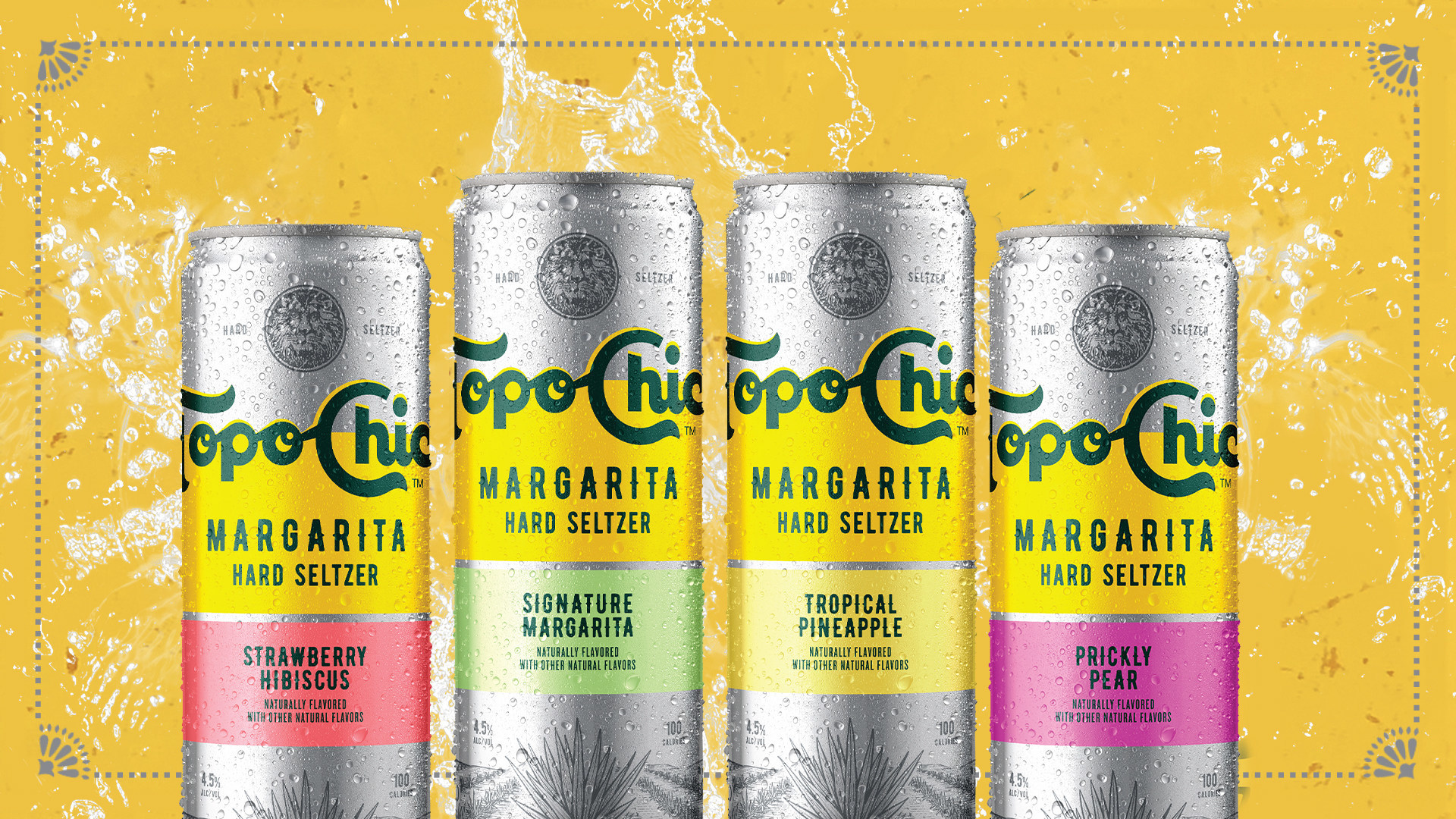
The Coca-Cola company faces legal action over claims that its marketing of margarita-flavored hard seltzers misleads consumers into thinking they contain tequila when they do not. The lawsuit alleges that the Topo Chico brand uses an alternative alcohol source instead of the expected agave-derived spirit.
Misleading Representation
Tamera Fletcher, a Monroe County resident, initiated the class action lawsuit, asserting that Coca-Cola's Topo Chico brand employed less expensive ingredients than authentic tequila while suggesting traditional margarita components. According to Newsweek, the lawsuit contends that the brand leveraged the popularity of agave-derived spirits without transparently disclosing the alcohol sources.
This strategy exploited consumer preferences for tequila-infused beverages and diminished the value of genuine tequila products. The legal action was filed in the U.S. District Court for the Southern District of Florida. Seeks to rectify the alleged misrepresentation. It aims to enforce product labeling and advertising transparency while advocating for fair competition within the beverage industry.
Fletcher accuses Coca-Cola of using deceptive practices to sell their hard seltzers at higher prices. It highlights the allure of tequila-based drinks due to traditional production methods and celebrity endorsements, emphasizing tequila's superior flavor.
Consumer Expectations and Legal Grounds
Tequila Raiders noted that the lawsuit underscores a growing concern among consumers regarding the accuracy of product labeling and marketing strategies. Fletcher's legal team argues that by implying the inclusion of tequila in its margarita-flavored seltzer, Coca-Cola's Topo Chico has misled consumers who may choose this product over others based on the expectation of specific ingredients.
This case highlights the broader issue of trust between consumers and brands, emphasizing the need for transparency in advertising. Legal experts suggest that the outcome of this lawsuit could set a precedent for how companies represent their products in the marketplace, potentially leading to stricter regulations on labeling and marketing practices.
The lawsuit claims violations of Florida's trade practices and false advertising and demands a jury trial and compensation for affected customers.
Photo: PR Newswire







