


 Extreme heat, flooding, wildfires – Colorado’s formerly incarcerated people on the hazards they faced behind bars
  Thousands of satellites are due to burn up in the atmosphere every year – damaging the ozone layer and changing the climate
  The world’s biggest trees could hold the secret to coping with drought
  Neuralink Plans High-Volume Brain Implant Production and Fully Automated Surgery by 2026
  Jared Isaacman Confirmed as NASA Administrator, Becomes 15th Leader of U.S. Space Agency
  Is space worth the cost? Accounting experts say its value can’t be found in spreadsheets
  How America courted increasingly destructive wildfires − and what that means for protecting homes today
  Trump Administration to Launch Autism Initiatives Targeting Acetaminophen Use and New Treatment Options
  Blue Origin’s New Glenn Achieves Breakthrough Success With First NASA Mission
  Cogent Biosciences Soars 120% on Breakthrough Phase 3 Results for Bezuclastinib in GIST Treatment


 Add as a preferred source on Google
Climate change is a problem the world is also facing today, as the warming climate has taken its toll not only on humans but on animals living in the polar regions. But despite the present efforts to find a solution in combating this challenge, the rising global temperatures have now brought the sea levels in line with the worst-case scenario predictions made by experts.
Express reports the sea levels today have now matched with the worst-case scenario predictions made by the Intergovernmental Panel on Climate Change. According to a study made by researchers from the University of Leeds and the Danish Meteorological Institute, should the current problems continue, then sea levels could go up by 17cm by the end of the century. One of the consequences of this would be almost 20 million people losing their homes.
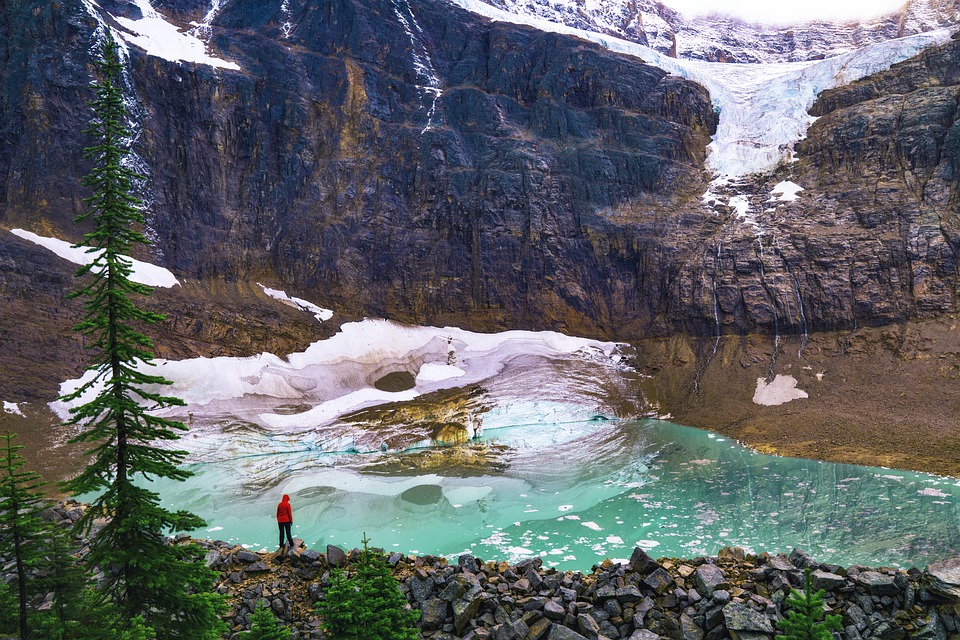
The study also found that the melting ice from the icy continent of Antarctica brought in a 7.2mm rise in sea levels compared to Greenland, which brought in 10.6mm. But Antarctica and Greenland are not the only places to contribute to the rising sea levels as other glaciers elsewhere are melting or disappearing completely, adding to the rise.
“Although we anticipated the ice sheets would lose increasing amounts of ice in response to the warming of the oceans and atmosphere, the rate at which they are melting has accelerated faster than we could have imagined. The melting is overtaking the climate models we use to guide us, and we are in danger of being totally unprepared for the risks posed by sea level rise,” said the study’s lead author Dr. Tom Slater of the University of Leeds.
Previously, NASA has already warned of the rate of which the ice caps are melting, revealing that the ice caps are melting much faster than usual. The agency pointed out a region of the Norwegian archipelago Svalbard as one of the places where the ice is melting at an accelerated rate. The rate of which these places are melting is resulting in the depletion of freshwater resources.
Scientists have also revealed that global temperatures have gone up to 0.15-0.20 degrees Celsius per decade. This rise in temperatures has also led to the melting of frozen water under the ice caps.







