


 Japan Private-Sector Growth Slows as Domestic Demand Weakens
  Extreme heat, flooding, wildfires – Colorado’s formerly incarcerated people on the hazards they faced behind bars
  The world’s biggest trees could hold the secret to coping with drought
  Drug pollution in water is making salmon take more risks – new research
  Fungi are among the planet’s most important organisms — yet they continue to be overlooked in conservation strategies
  Swimming in the sweet spot: how marine animals save energy on long journeys
  Australia Unemployment Hits Five-Year High Despite Strong Jobs Growth
  South Korea, US Discuss Warship Building Cooperation
  Ukraine minerals deal: the idea that natural resource extraction can build peace has been around for decades
  Fed Unveils Stablecoin Rules Under GENIUS Act
  Rice feeds billions of people – but its role in fueling climate change is growing
  Trump, Xi Focus on Trade and AI at White House Summit
  China’s ‘Lipstick King’ Says AI Won’t Replace Livestream Hosts
  Lake beds are rich environmental records — studying them reveals much about a place’s history


 Add as a preferred source on Google
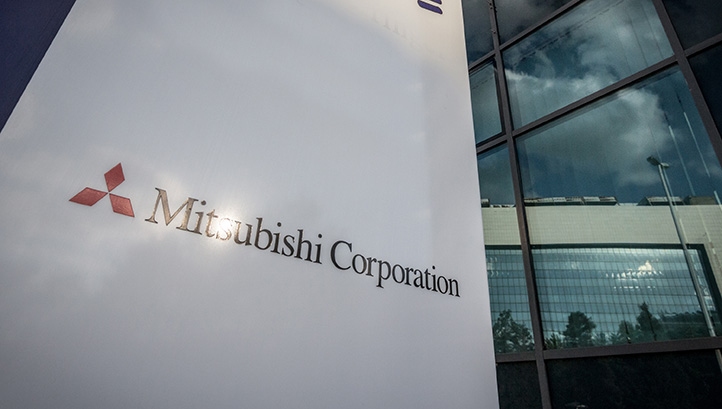
Mitsubishi Corp and Mitsui & Co are contemplating commercializing a carbon capture and storage project (CCS) on the seabed off the coast of Western Australia, a major producer of natural gas.
A joint venture between the two major Japanese trading houses is advancing a liquefied natural gas development project off the northwest coast of Australia and has already accumulated seabed data.
Mitsubishi and Mitsui are now in the process of obtaining a permit to examine the seabed in detail.
The investment is likely to be around several hundred billion yen.
The CCS has been attracting attention as a technology critical to achieving a decarbonized society, with the envisaged facility expected to be operational in 2030 at the earliest.
The project, critical to achieving a decarbonized society, will first capture CO2 and other emissions from factories in Australia. Emissions in Japan are set to be captured and stored in the future.
It would likely be carried out in cooperation with resources companies such as British multinational oil and gas company BP plc.
In Japan, CCS testing is being conducted in Tomakomai, Hokkaido.







